The idea
Property auctions sell homes, land and commercial buildings to the highest bidder, often quickly. Sellers include banks repossessing homes, estates of deceased owners, developers and investors wanting a fast sale. Buyers range from first-time purchasers to professional investors.

Binding from the hammer
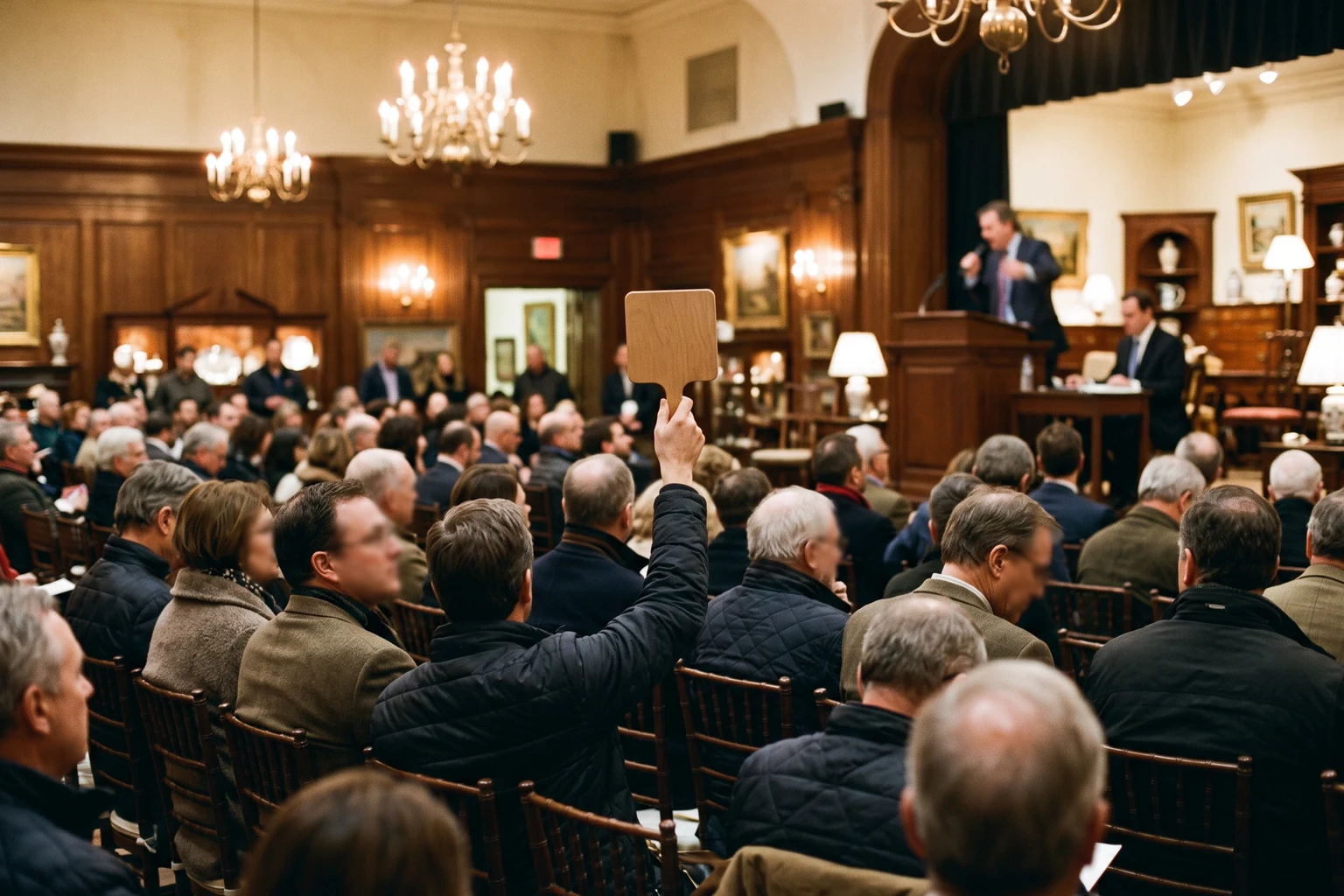
In many traditional auctions, such as in the UK, the contract becomes legally binding when the auctioneer’s hammer falls. The buyer usually pays a deposit of around 10% immediately and must complete within a set period, often 28 days. Backing out can mean losing the deposit and facing legal claims.
Types of auction
| Type | How it works | Commitment |
|---|---|---|
| Traditional (unconditional) | Contract on the fall of the hammer | Binding immediately |
| Modern method / conditional | Reservation fee, longer to complete | More time but extra fees |
| Online auctions | Timed bidding online | Varies by platform terms |
| Court or bank auctions | Sale of repossessed assets | Often sold as seen |
Why bargains appear
Auctions can offer below-market prices because some properties need work, have legal complications or are sold by owners needing speed. But many auction properties sell close to market value once competition kicks in.
The legal pack
Before the auction, the seller’s solicitor usually provides a legal pack with title documents, searches, leases and special conditions. Reviewing it with a lawyer is essential. Problems such as short leases, planning issues or unusual fees can make a cheap property expensive.
Viewing and surveys
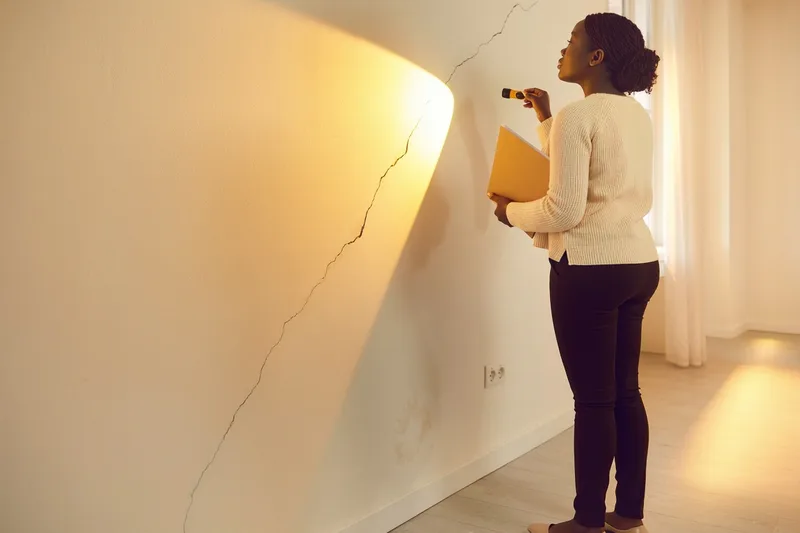
Visit the property, ideally with a builder or surveyor. Auction properties are typically sold as seen, so you cannot renegotiate after discovering defects.
Finance first
Because completion deadlines are short, buyers need finance arranged in advance. Mortgage approval may be slow for unusual properties, so many auction buyers use cash or bridging loans, which can be expensive.
Costs above the bid
Expect buyer’s fees or premiums charged by the auctioneer, legal costs, transfer taxes and any costs in the special conditions, such as the seller’s legal fees or arrears. Adding these to your maximum bid avoids overpaying.
Setting a limit
Auction rooms create excitement. Decide your maximum price, including all costs, before the auction and stop when it is reached. Many experienced bidders write the number down or bid through a proxy to avoid getting carried away.
Reserve and guide prices
The guide price indicates where bidding may start, while the reserve is the confidential minimum the seller will accept. Final prices are often well above guide prices for desirable lots.
UAE context
In the UAE, property auctions are held through official channels, including Emirates Auction in coordination with land departments and courts. Buyers should check registration requirements, deposits and fees with the organiser and the relevant land department.
After the hammer
Once you win, you usually sign the memorandum of sale, pay the deposit and fees on the day and arrange insurance from that point, because the risk of damage may pass to you immediately. Your lawyer then works toward completion by the deadline set in the conditions.
Buying before auction
Some sellers accept offers before the auction day. A pre-auction offer can secure a property without competitive bidding, but it often must be made on the same terms, including the deposit and completion period.
Unsold lots
Properties that fail to reach their reserve may be available afterwards by negotiation. This can be a chance to buy without competition, but the reason the lot did not sell is worth understanding first.
Online timed auctions
Online auctions let bidders take part remotely, with bidding open for a set period and sometimes extended if late bids arrive. The same rules on legal packs, deposits and deadlines usually apply, so the checks before bidding are just as important as in a room.
A realistic scenario
Leila bids on a flat with a guide price of 150,000. Her surveyor estimates 20,000 of repairs, and fees and taxes will add 15,000. She sets her ceiling at 175,000, stops bidding at that level and lets another buyer win at 182,000.
Questions to ask yourself
- Have I read the legal pack with a lawyer?
- Have I viewed and surveyed the property?
- Is my finance ready for a short deadline?
- What are all the costs above the bid?
- What is my absolute maximum?
The short version
Property auctions move fast and are often binding when the hammer falls. Check the legal pack, survey the property, arrange finance, add all costs and stick to a firm maximum.
Illustration: winning bid 170,000 + buyer’s fee 2% (3,400) + transfer tax and legal costs 11,000 + repairs 20,000 = total cost 204,400. Hypothetical figures.
At many auctions the winning bid is a binding contract. Do every check and arrange finance before bidding, and set a maximum price you will not exceed.
Primary educational references
GOV.UK · Buying a home at auction ↗
Reviewed November 28, 2026. Examples are hypothetical illustrations. Educational content, not personalised investment, legal or tax advice.