The idea
Rare earth elements are a group of 17 metals, including neodymium, praseodymium, dysprosium and terbium. They are used in powerful permanent magnets, catalysts, lasers, screens and defence equipment. Despite the name, many are fairly common in the Earth’s crust, but economic deposits and processing capacity are limited.

Where they are used
| Use | Key elements | Why |
|---|---|---|
| Permanent magnets | Neodymium, praseodymium, dysprosium, terbium | Electric vehicle motors, wind turbines, electronics |
| Catalysts | Cerium, lanthanum | Car exhaust systems, oil refining |
| Phosphors and lasers | Europium, yttrium | Displays, lighting, medical devices |
| Defence | Various | Guidance systems, sensors |
Concentrated supply
China accounts for the majority of global rare earth mining and a far larger share of separation and refining, by many estimates around 85% to 90% of processing. Other producers include Australia, the US, Myanmar and others, but most material passes through Chinese processing at some stage.
Policy risk
Export restrictions can disrupt supply. In 2010, China cut export quotas, and prices of some rare earths jumped many times over before falling back. In 2023 and 2025, China introduced export controls on rare earth processing technology and certain elements, prompting other countries to accelerate their own supply chains.
Building other supply chains
Governments in the US, EU, Japan, Australia and elsewhere have funded new mines, processing plants and recycling. Developing a full supply chain takes many years and large investment, and new projects face cost and environmental challenges.
An opaque market
Rare earths are not traded on major futures exchanges like copper or gold. Prices are set in contracts and reported by price agencies. Liquidity is low, so prices can move sharply on small changes in supply or demand.
Demand drivers
Growth in electric vehicles, wind power, robotics and electronics drives demand for magnet metals in particular. Engineers are also developing motors that use fewer rare earths, which could temper demand.
Environmental issues
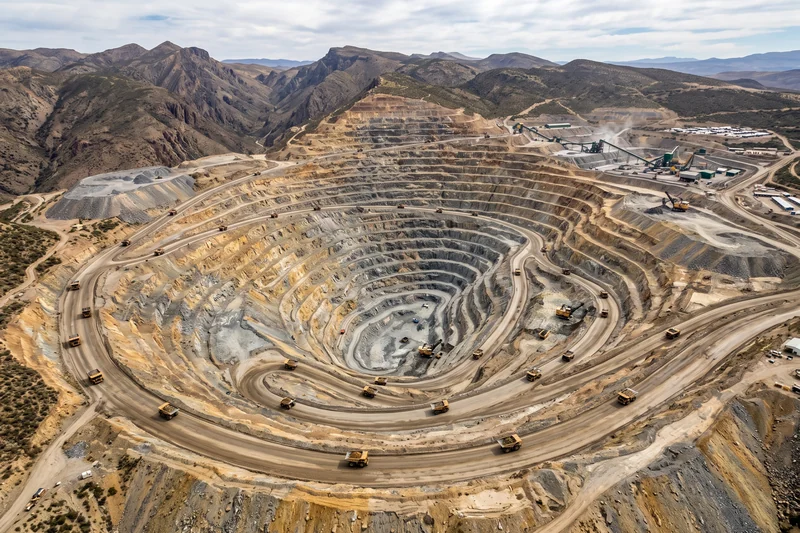
Mining and processing rare earths can produce toxic and radioactive waste if not managed properly. Environmental standards add costs but are essential, and they affect where new capacity can be built.
Investment routes
Investors can gain exposure through shares of mining and processing companies or specialised funds. These shares can be very volatile and are influenced by policy announcements, project delays and prices of a few key elements.
Recycling
Recycling magnets from old electronics, motors and turbines could supply a growing share of demand over time, though collection and separation remain challenging.
The Gulf angle
Gulf countries, including the UAE and Saudi Arabia, have shown interest in critical minerals through investments in mining assets abroad and partnerships on processing, as part of economic diversification strategies.
Risks to keep in mind
Key risks include policy changes, price swings, technical setbacks at new projects, long development timelines and the possibility that substitutes reduce demand.
Light and heavy rare earths
Rare earths are often split into light elements, such as lanthanum, cerium, neodymium and praseodymium, and heavy elements, such as dysprosium and terbium. Heavy rare earths are generally scarcer and more concentrated in supply, and they are important for magnets that must work at high temperatures.
Stockpiles and contracts
Some governments and manufacturers keep strategic stockpiles to cushion supply shocks. Long-term offtake contracts, where buyers agree to purchase future output, help new producers secure financing but can lock in prices that look high or low later.
Timelines
A new rare earth project can take a decade or more from discovery to production, including exploration, permits, financing and construction of separation plants. Announcements of new projects therefore affect future supply far more than current markets.
Prices of key elements
Neodymium-praseodymium oxide, the main magnet material, is the most watched rare earth price. It rose sharply in 2021 and 2022 with electric vehicle demand, then fell as new supply arrived, showing how quickly this small market can swing.
A realistic scenario
A car maker relies on neodymium magnets for its motors. After new export controls, prices spike and delivery times lengthen. The company signs long-term supply contracts with a non-Chinese producer and invests in motor designs that need less dysprosium.
Questions to ask yourself
- Which rare earths matter for this business?
- Where is the material processed?
- How exposed is supply to policy changes?
- How liquid is pricing?
- Could substitutes reduce demand?
The short version
Rare earth elements are vital for magnets, electronics and defence. Supply and especially processing are concentrated, so policy shifts can move prices sharply. Investment exposure is volatile and specialised.
Illustration: an electric vehicle motor may use one to two kilograms of rare earth magnet material. If 10 million such cars are built, demand reaches 10,000 to 20,000 tonnes of magnet material a year. Rough, hypothetical figures.
Rare earths are not especially rare, but processing them is concentrated in a few places. That makes supply sensitive to policy and prices volatile.
Primary educational references
US Geological Survey · Rare earths ↗
International Energy Agency · Critical minerals ↗
Reviewed November 28, 2026. Examples are hypothetical illustrations. Educational content, not personalised investment, legal or tax advice.