The idea
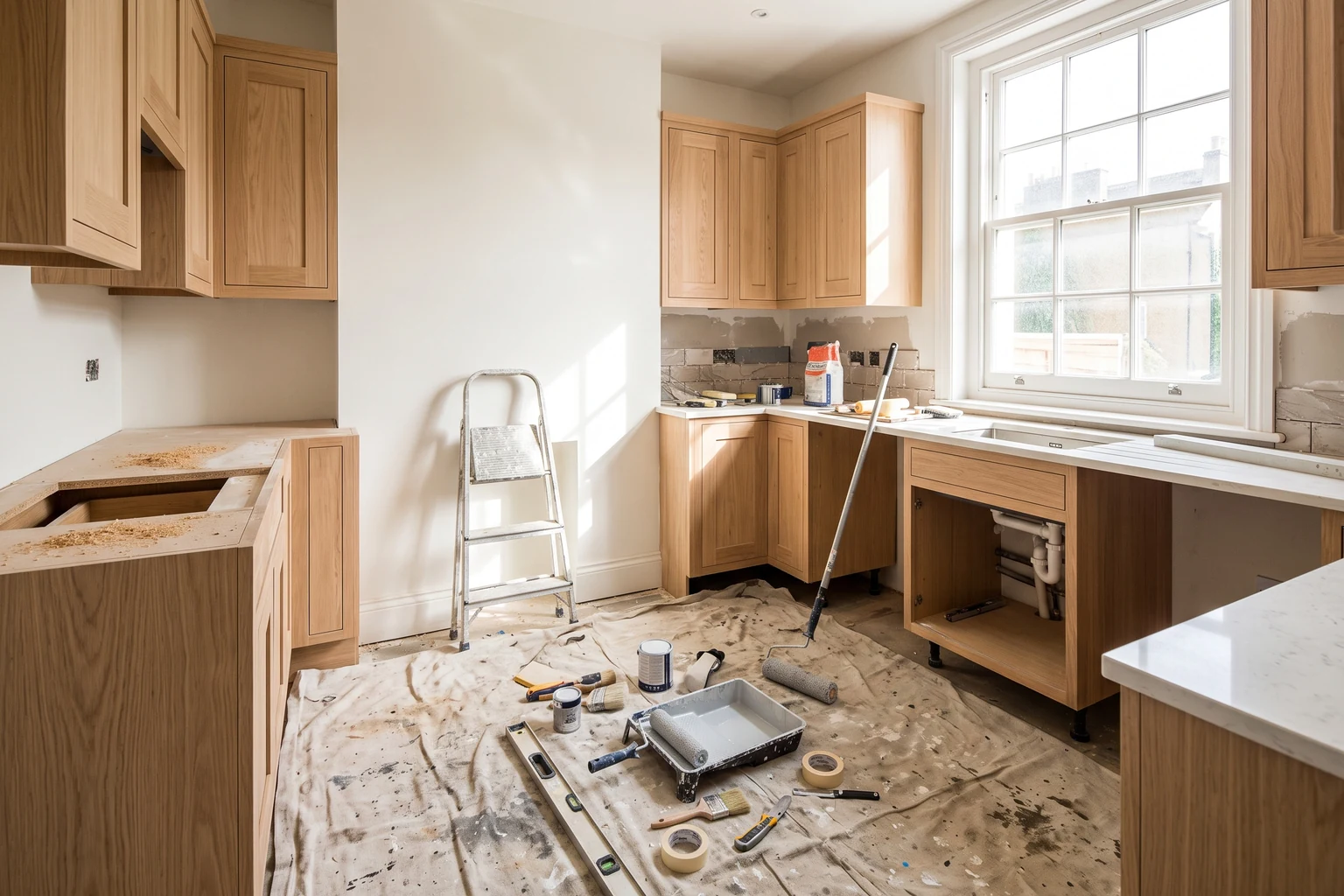
People renovate for comfort and for value. From a financial point of view, the question is how much of the cost you get back through a higher sale price or higher rent. Surveys in several countries regularly find that many projects recover less than their full cost at sale, while some, such as fixing defects or refreshing tired kitchens, tend to do better.

Measuring the return
A simple measure is value added divided by cost. If a 50,000 kitchen raises the home’s value by 35,000, the cost recovered is 70%. For rentals, compare the extra annual rent with the cost: 20,000 spent to raise rent by 2,000 a year is a 10% gross return.
What tends to pay back
| Type of work | Why it can add value | Watch out for |
|---|---|---|
| Fixing defects (damp, roof, wiring) | Removes buyer concerns and discounts | Often expected rather than rewarded |
| Kitchen and bathroom refresh | Most noticed by buyers and tenants | Luxury fittings rarely pay back fully |
| Extra usable space | More bedrooms or living area | Planning rules, cost per m² |
| Energy efficiency | Lower bills, better ratings | Payback can take years |
| Fresh paint and flooring | Low cost, big visual impact | Quality of finish matters |
Over-improving
Every area has a ceiling price that buyers will pay. Spending to turn a modest flat into a luxury home in a mid-market building rarely recovers the cost, because buyers in that building will not pay luxury prices. Looking at the best recent sales nearby shows the likely ceiling.
Personal versus market taste
Bold colours, unusual layouts or highly personal features may delight you but deter buyers. Neutral, durable finishes appeal to the widest market.
Budgeting
Get several quotes, add a contingency of 10% to 20% for surprises, and include professional fees, permits and the cost of living elsewhere if needed. Older properties often reveal hidden problems once work starts.
Permits and rules
Many changes require approval from local authorities or building management. In Dubai, modifications often need approval from the master developer or community management and, for some work, from Dubai Municipality or the relevant authority. Unapproved work can cause problems when selling.
Rental properties
For landlords, durable finishes, good appliances and efficient air conditioning can reduce maintenance, shorten void periods and justify higher rent. In many tax systems, repairs are deductible against rent while improvements are capital costs.
Timing
Renovating just before selling makes sense for quick, visible improvements and repairs. Large projects close to a sale often do not pay back. Renovating early in ownership lets you enjoy the improvements and spreads disruption over a longer stay.
Financing
Renovations can be funded from savings, a mortgage top-up or a personal loan. Borrowing costs reduce returns, so compare the interest cost with the expected value or rent gained.
Energy upgrades
Insulation, efficient cooling, solar panels and better windows can cut bills. Their financial return depends on energy prices, climate and how long you stay. Some markets show price premiums for energy-efficient homes.
Managing the project
Clear written scopes, staged payments tied to progress, regular site visits and keeping records reduce disputes and cost overruns. Choose contractors with references and proper licences.
Value for buyers, value for you
Some improvements make a home easier to sell without raising its price much, such as fresh paint, tidy gardens and repaired fittings. Others, like an extra bedroom, can move a home into a higher price bracket. Separating faster-sale improvements from value-raising ones helps set priorities.
Records and receipts
Keep invoices, approvals and warranties for all work. Buyers, surveyors and lenders often ask for them, and they may reduce capital gains tax in countries where improvement costs can be added to the purchase price.
A realistic scenario
Ravi spends 40,000 refreshing his rental flat’s kitchen and bathrooms and replacing old air conditioning. Rent rises by 4,000 a year and the flat lets in two weeks rather than two months. The gross rental return on the spend is 10%, plus savings on vacancy and repairs.
Questions to ask yourself
- How much value or rent will this add?
- What is the ceiling price for this area?
- Have I added a contingency?
- Do I need approvals?
- Is this for me or for the market?
The short version
Renovations rarely pay back in full, but fixing defects, refreshing key rooms and adding usable space often do best. Avoid over-improving for the area, budget a contingency and get approvals.
Illustration: kitchen cost 50,000, value added 35,000 → 70% cost recovered. Rental upgrade 40,000, rent up 4,000 a year → 10% gross return. Hypothetical figures.
Many renovations recover only part of their cost when you sell. Focus on improvements that fix problems, add usable space or suit the local market.
Primary educational references
Remodeling magazine · Cost vs Value report ↗
Reviewed November 28, 2026. Examples are hypothetical illustrations. Educational content, not personalised investment, legal or tax advice.