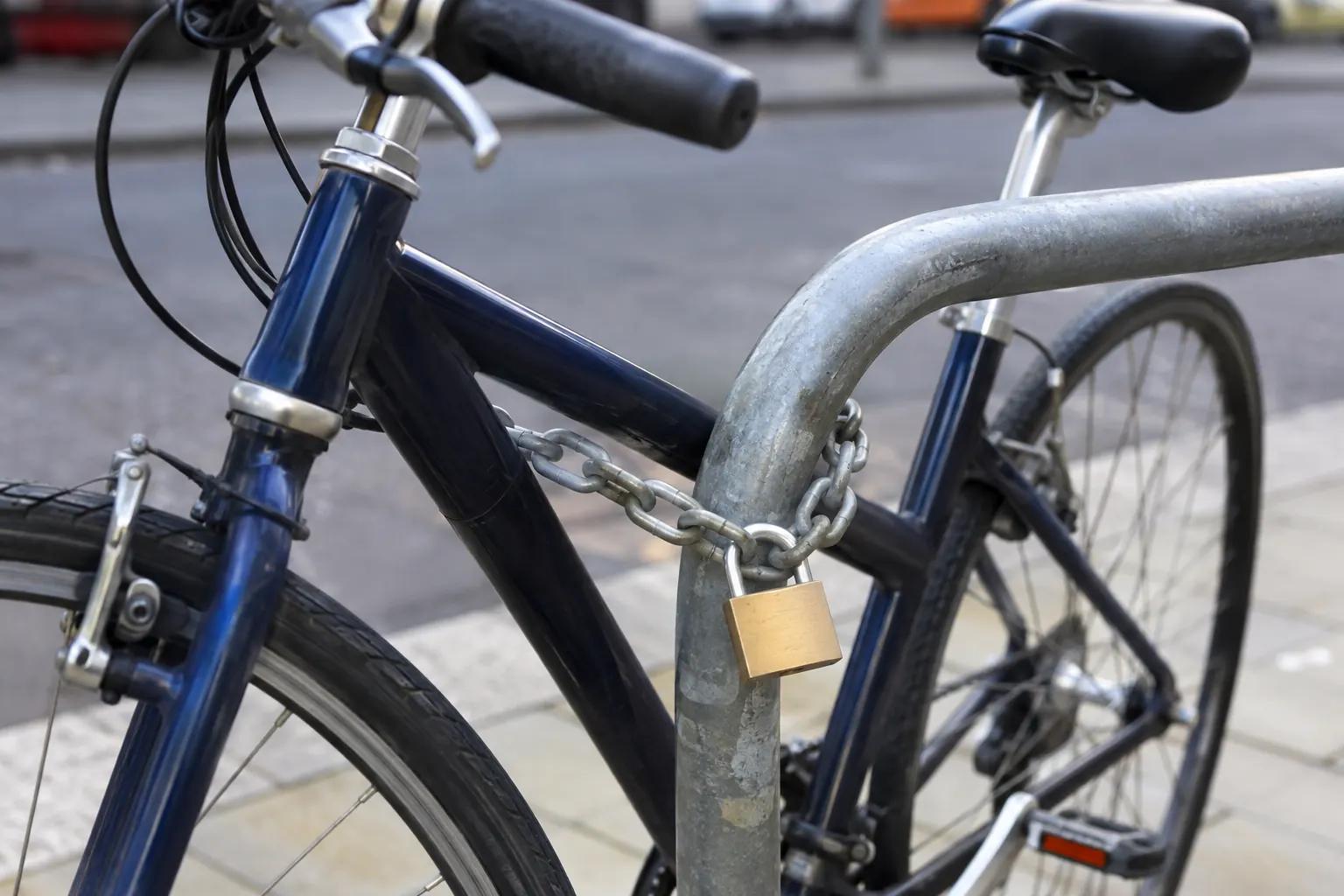
Secured
Mortgages and car loans use the home or car as collateral.
Unsecured
Personal loans and credit cards rely on your promise and credit record, so rates are higher.
Choosing
Never secure short-term spending against your home.
What collateral really means
Collateral is an asset that a borrower pledges to a lender as security for a loan. If the borrower fails to repay as agreed, the lender has the legal right to take the asset and sell it to recover what is owed. The most common examples are homes for mortgages and vehicles for car loans, but savings deposits, shares, gold and business equipment can also be used.
Because the lender can recover at least part of its money from the asset, its risk is lower. That is why secured loans usually come with lower interest rates, larger amounts and longer repayment periods than unsecured loans. The trade-off is that the borrower's asset is at stake.
How unsecured lending works
An unsecured loan is backed only by the borrower's promise to repay. Personal loans, credit cards, most overdrafts and buy-now-pay-later plans fall into this category. The lender relies on the borrower's income, employment and credit history to judge the risk.
If an unsecured borrower stops paying, the lender cannot simply take a specific asset. Instead, it may charge late fees, report the missed payments to credit bureaus, pass the debt to a collection agency or take legal action. Because recovery is harder, lenders charge higher rates and often lend smaller amounts.
Loan-to-value: how much you can borrow
For secured loans, the loan-to-value ratio, or LTV, compares the size of the loan with the value of the asset. A loan of AED 800,000 against a property worth AED 1,000,000 has an LTV of 80%. The lower the LTV, the more protection the lender has, and the better the rate it may offer.
In the UAE, the Central Bank sets limits on how much of a property's value can be borrowed, with tighter limits for more expensive properties and for second homes. These rules help protect both borrowers and banks if property prices fall, because the borrower starts with a meaningful stake in the home.
Comparing the two
| Feature | Secured loan | Unsecured loan |
|---|---|---|
| Examples | Mortgage, car loan, loan against deposit | Personal loan, credit card, overdraft |
| Interest rate | Usually lower | Usually higher |
| Amount | Can be large | Usually smaller |
| Term | Often long, up to 25 years for homes | Usually shorter |
| If you cannot pay | The lender can take the asset | Fees, credit damage, collection, legal action |
| Approval | Depends on the asset and your income | Depends mainly on income and credit history |
Neither type is better in every situation. The right choice depends on what the money is for, how long you need it and what you could afford to lose.
When a secured loan makes sense
Secured loans are well suited to buying long-lasting assets, especially a home. The asset being bought becomes the security, the rate is lower and the repayments are spread over many years, roughly matching the life of the asset.
A loan secured against savings, sometimes offered by banks at a low rate, can also help people build a credit history without risking their home. The key test is whether the loan pays for something with lasting value and whether repayments are comfortably affordable even if circumstances change.
When to avoid securing a loan
Using your home as security for short-term spending, such as holidays, cars or consolidating credit card debt, can be dangerous. It turns a debt that could have been cleared in a few years into one tied to your home for many years, and missed payments could put the home at risk.
Debt consolidation loans secured on property can lower monthly payments, but often increase the total interest paid because the term is longer. If the spending habits that created the original debt continue, borrowers can end up with both a secured loan and new unsecured debt.
Guarantors and co-signers
Some loans sit between secured and unsecured. A guarantor loan relies on another person, often a family member, who promises to repay if the borrower cannot. The guarantor's credit and income reduce the lender's risk, which can help people with limited credit history to borrow.
Being a guarantor is a serious commitment. If the borrower misses payments, the lender can pursue the guarantor for the full amount, and it can affect the guarantor's own credit. Anyone asked to guarantee a loan should be prepared to pay it in full.
Affordability rules in the UAE
UAE banks follow Central Bank rules designed to prevent borrowers from taking on too much debt. These include limits on the total monthly debt repayments a borrower can have compared with their income, and limits on the size of personal loans relative to salary.
These rules work alongside credit reports from the Al Etihad Credit Bureau, which banks use to check existing borrowing. Together they encourage responsible lending, but borrowers still need to plan their own budgets, since the maximum a bank will lend is not necessarily a comfortable amount to repay.
Questions to ask before borrowing
- Is this loan for something that will last as long as the repayments?
- What is the total cost over the full term, not just the monthly payment?
- What happens if I lose my job or my income falls?
- Is any asset at risk if I cannot pay?
- Could I save for this instead of borrowing?
Answering these questions honestly is often the best protection against borrowing that becomes a burden.
Credit cards and buy now, pay later
Credit cards are the most common form of unsecured credit. They offer flexibility, an interest-free period if the balance is paid in full each month, and sometimes rewards. But interest rates on unpaid balances are usually much higher than on secured loans, and paying only the minimum can keep debt outstanding for years.
Buy-now-pay-later plans split purchases into instalments, often without interest if paid on time. They are convenient for planned purchases but can encourage spending more than intended, and late fees can apply. Tracking all instalment plans in one place helps avoid overcommitting.
What happens to your credit record
Both secured and unsecured loans appear on your credit report. Paying on time builds a positive history that can help you borrow more cheaply in future. Missed payments stay on the record for several years and can make future borrowing more expensive or harder to obtain.
Lenders also look at how much of your available credit you are using. Keeping credit card balances well below their limits and avoiding many applications in a short time helps maintain a healthy record.
Frequently asked questions
Why are secured loans cheaper?
Because the lender can take the asset if you do not repay, which lowers its risk.
Is a credit card a secured or unsecured loan?
Unsecured: it relies on your promise to repay and your credit record.
Should I secure a loan on my home to clear debts?
It can lower payments but puts your home at risk and often increases total interest.
Illustration: a secured car loan might cost 7% a year while an unsecured personal loan for the same amount costs 14%.
Secured loans are cheaper because the lender can take the asset if you don’t pay. That also means you can lose it.
Written by Simplifying Finance. Figures in the worked example are illustrative.
Reviewed November 28, 2026. Examples and lab figures are hypothetical. Educational content, not personalized investment advice.