Examples
Tokenised money-market funds and bonds.
Benefits
Faster settlement and fractional ownership.
Risks
Regulation and technology.
What is tokenisation?
Tokenisation means representing ownership of an asset as a digital token recorded on a blockchain or similar shared ledger. The asset can be almost anything: shares in a fund, a bond, a property, a commodity such as gold, or even a piece of art. These are often called real-world assets, to distinguish them from cryptocurrencies that exist only on a blockchain.
The token is a digital record of ownership or a claim. The underlying asset is usually held by a regulated custodian or legal structure, and the token gives its holder rights defined by law and contract.
How tokenisation works
- An asset is placed in a legal structure, such as a fund or special purpose company.
- Tokens representing shares in that structure are created on a ledger.
- Investors buy tokens, often through regulated platforms.
- Ownership transfers are recorded on the ledger, often settling in minutes.
- Income, such as interest or rent, can be distributed automatically to token holders.
Smart contracts, programs that run on the ledger, can automate tasks such as distributing income, enforcing transfer restrictions and checking that investors meet eligibility requirements.
Potential benefits
- Faster settlement: transfers can settle almost instantly rather than in one or two days.
- Fractional ownership: high-value assets can be divided into small units.
- Around-the-clock trading: tokens can, in principle, be transferred at any time.
- Lower costs: automation can reduce administrative work.
- Transparency: ownership records are shared and hard to alter.
Supporters argue these benefits could open markets such as private credit and property to more investors and make existing markets more efficient.
Real-world examples
Tokenised money market funds and government bond funds have grown rapidly, with large asset managers launching tokenised versions of funds that hold short-term US Treasuries. Banks have issued tokenised bonds and tested tokenised deposits for faster payments between institutions.
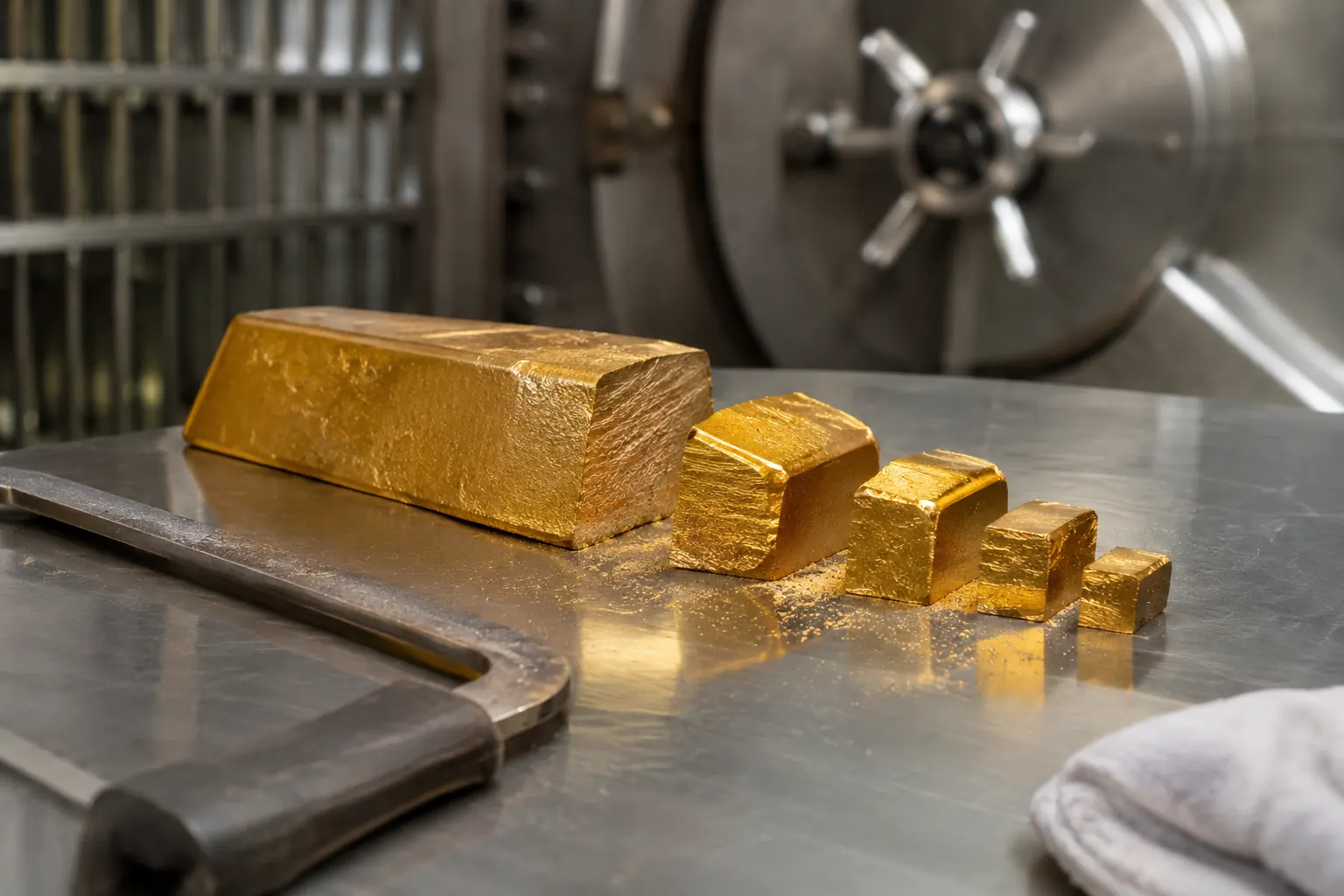
Tokenised gold, where each token represents a specific amount of physical gold held in a vault, is another established example. Property tokenisation, allowing investors to own fractions of buildings, is developing in several markets.
Tokenisation in the UAE
The UAE has positioned itself as a leading centre for digital assets and tokenisation. Dubai established the Virtual Assets Regulatory Authority, known as VARA, in 2022 to regulate virtual asset activities in the emirate, while Abu Dhabi Global Market and the Dubai International Financial Centre have their own frameworks for digital assets.
The Dubai Land Department has launched initiatives to tokenise real estate ownership, allowing investors to buy fractions of properties recorded through official channels. These efforts reflect the UAE's broader strategy to lead in financial innovation while maintaining regulatory oversight.
Risks and challenges
Tokenisation does not change the risk of the underlying asset: a tokenised property can still fall in value, and a tokenised bond can still default. New risks also arise, including technology failures, cyber attacks, smart contract errors and uncertainty over legal rights in some jurisdictions.
Liquidity is another challenge. A token may be tradable in theory, but if few buyers exist, selling at a fair price can be difficult. Investors should check who holds the underlying asset, what legal rights the token provides, which regulator oversees the platform and how they can exit.
Tokenisation vs cryptocurrencies
Cryptocurrencies such as Bitcoin are native digital assets with no underlying real-world asset. Their value depends entirely on supply and demand. Tokenised assets, by contrast, represent claims on existing assets, such as fund shares or property, whose value is linked to those assets.
Stablecoins sit between the two: they are tokens designed to hold a stable value, usually backed by cash and short-term government securities. They are often used to pay for tokenised assets on blockchain platforms.
A worked example: a tokenised property
Suppose a building worth AED 10 million is placed in a company, and the company's ownership is divided into 10,000 tokens worth AED 1,000 each. An investor buys 10 tokens for AED 10,000, giving them a 0.1% share. Each year, after costs, the building produces AED 500,000 of rental income, and the investor receives AED 500, about a 5% yield.
If the investor wants to sell, they can offer their tokens to other approved investors on the platform. The price depends on demand and on the building's value. The figures are illustrative, and actual structures, fees and rights differ between platforms.
Questions to ask before buying tokens
- Who holds the underlying asset, and how is ownership legally protected?
- Which regulator oversees the platform?
- What fees apply to buying, holding and selling?
- How easily can tokens be sold, and to whom?
- What happens to my tokens if the platform shuts down?
Clear answers to these questions are a sign of a well-structured product. Vague answers are a reason for caution.
Frequently asked questions about tokenisation
Is a tokenised asset the same as owning the asset?
It depends on the legal structure. Often the token represents a share in a fund or company that owns the asset, with rights set out in legal documents.
Is tokenisation regulated in the UAE?
Yes. Virtual asset activities are regulated by VARA in Dubai and by financial free zone regulators in ADGM and DIFC, alongside federal rules.
Can I sell tokens easily?
Not always. Liquidity depends on the platform and demand. Some tokens can only be traded among approved investors.
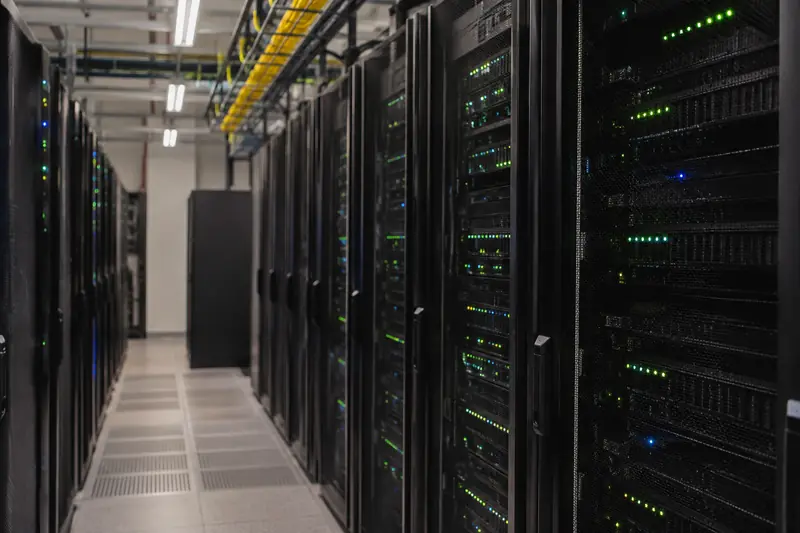
Illustration: a bank issues tokenised fund units that settle instantly.
Tokens can represent funds, bonds or property and settle faster.
Written by Simplifying Finance. Figures in the worked example are illustrative.
Reviewed November 28, 2026. Examples and lab figures are hypothetical. Educational content, not personalized investment advice.