What happened
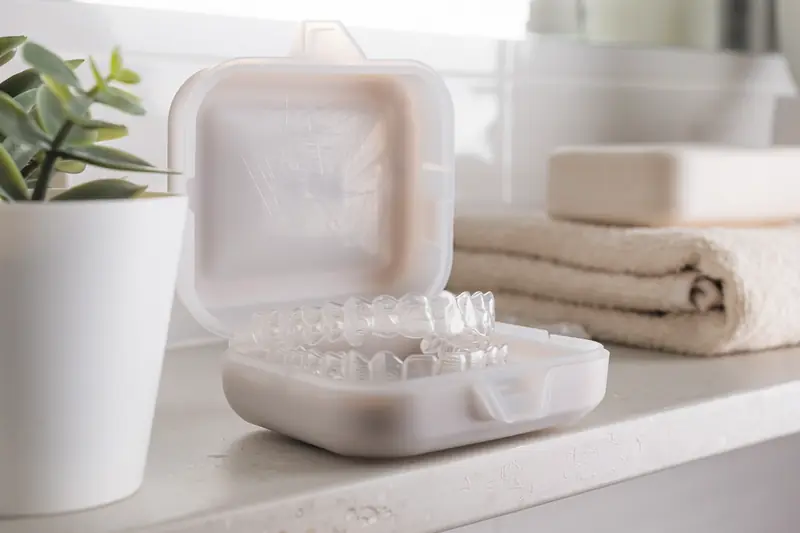
Each aligner is custom-made using 3D printing. Align connects scanning, treatment-planning software and manufacturing, making switching harder for dentists.
Patent expiries brought cheaper competitors, and consumer spending on elective treatment slowed. Align must grow among teenagers and in new countries without cutting prices too far.
The lessonAn ecosystem that makes professionals more productive is harder to disrupt than a single product.
Key moments
Stanford students found Align.
The FDA clears Invisalign.
Align buys Cadent, maker of iTero intraoral scanners.
An arbitrator ends Align’s stake in SmileDirectClub; disputes follow.
SmileDirectClub goes bankrupt; Align faces cheaper rivals in China.
For your seminar, paper or interview
- Q1
Why did SmileDirectClub fail?
- Q2
How does Align’s ecosystem create switching costs?
- Q3
Should Align cut prices to fight cheaper rivals?
- Ecosystem strategy
- Switching costs
- Mass customisation
Propose your solution
Pick a discussion question and set out what you would do, why, and what it would cost. Strong, well-argued answers are reviewed and published below with your first name and programme.
Published solutions
Loading published solutions…
- Barchart: Align Q4 and FY2025 results ↗
- Motley Fool: Align Q4 2025 call ↗
- Becker’s Dental: Align Q3 2025 ↗
Figures are as reported in the cited sources. Check the source before quoting. Corrections: let us know through the solution form.