What happened
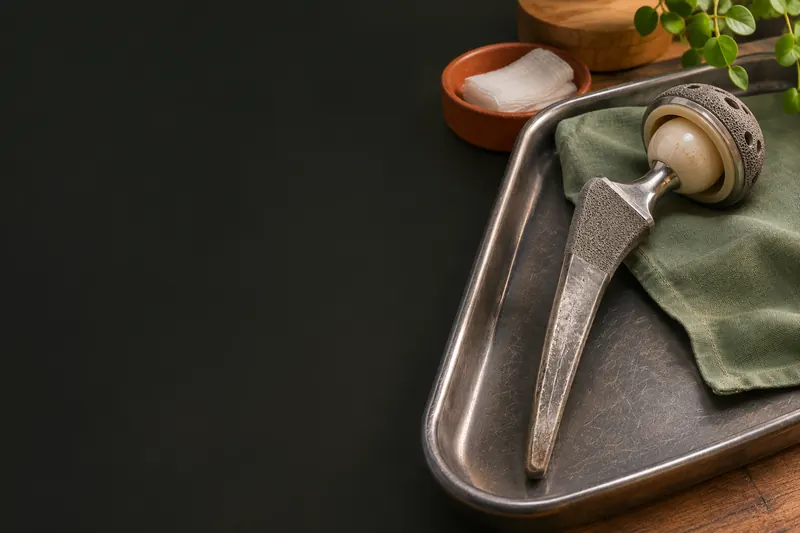
Polyethylene inserts act as cartilage in artificial joints. Exposure to oxygen before implantation can make them wear faster, leading to painful revision surgery. Many devices were cleared through the FDA’s 510(k) route, which relies on similarity to existing devices.
The case shows how a small manufacturing detail, missed for years by quality systems, can cause widespread harm. It also raises questions about post-market monitoring and private equity ownership of device makers.
The lessonIn medical devices, packaging and sterilisation are part of the product — and quality failures compound over time.
Key moments
Exactech is founded in Florida.
Most polyethylene inserts are packed in bags lacking a second oxygen barrier.
Private equity firm TPG takes Exactech private.
Recalls expand to knee, ankle and hip parts after higher failure rates appear.
Exactech files for bankruptcy protection.
For your seminar, paper or interview
- Q1
How could quality systems have caught the packaging problem sooner?
- Q2
Is the 510(k) pathway strict enough?
- Q3
Who should pay when implants fail?
- Quality management (ISO 13485)
- Regulatory pathways
- Product liability
Propose your solution
Pick a discussion question and set out what you would do, why, and what it would cost. Strong, well-argued answers are reviewed and published below with your first name and programme.
Published solutions
Loading published solutions…
- Hospital for Special Surgery: Exactech recall ↗
- Lieff Cabraser: Exactech recalls ↗
- Wilentz: Exactech knee inserts ↗
Figures are as reported in the cited sources. Check the source before quoting. Corrections: let us know through the solution form.