What happened
BMW introduced the E21 in July 1975 to replace the 02 Series. The new car established the 3 Series name while preserving the compact sporting format. Two six-cylinder versions followed in 1977. The staged range gave the company a way to sell more performance after it had established the core product.
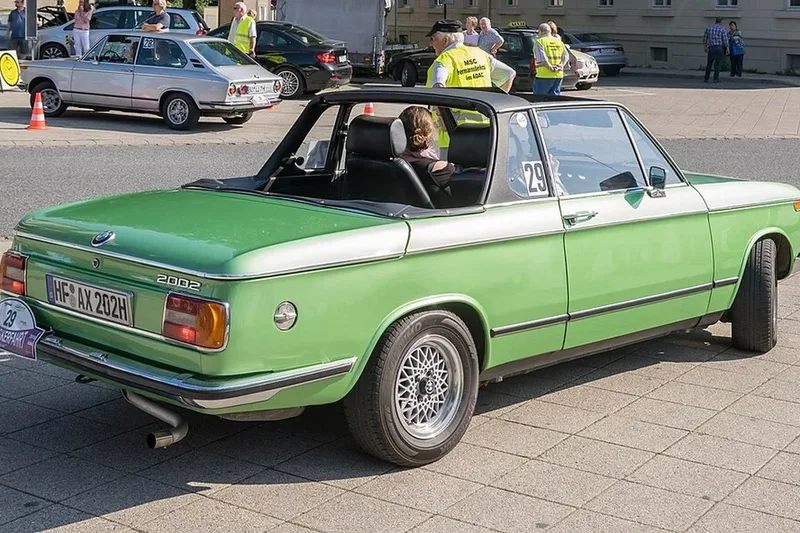
By the mid-1970s the 02 Series had been on sale for nearly a decade. It was BMW’s best-selling car, especially the 2002, but its design was ageing and new safety and emissions rules were tightening.
In July 1975 BMW presented the first 3 Series, known internally as the E21, as the successor to the 02 Series. Initially it was offered only as a two-door saloon, like its predecessor.
The new car was larger, more refined and had a driver-focused dashboard angled towards the driver, which became a BMW design feature.
Replacing a successful model is risky. Loyal buyers may prefer the old car, and if the new one disappoints, they can move to competitors.
In the United States, the 320i launched with a four-cylinder engine only. Some enthusiasts kept their 2002s, but the 320i attracted a broad new audience, and BMW of North America set new sales records every year from 1976 to 1983.
The E21 was built from 1975 to 1983, with about 1.36 million produced. Its successor, the E30, added four-door, convertible and touring versions and the first M3, and sold more than 2.3 million.
The 1502, a cheaper 02 Series model, continued until 1977, overlapping with the 3 Series and giving buyers a lower-priced option during the transition.
Many car makers face the same challenge when replacing iconic models, from the Volkswagen Beetle to the Porsche 911.
The 3 Series became BMW’s most important model line and remains central to its range today.
The exhibit shows each generation of BMW’s compact saloon selling more than the one before. The E21 sold more than 1.3 million cars and the E30 more than 2.3 million, compared with about 827,000 for the 02 Series.
That growth did not happen by chance. A replacement model requires large capital spending on design, testing and tooling, and the company must judge whether the new car will earn that money back over its life.
BMW’s approach was to evolve rather than reinvent. The E21 kept the compact two-door shape and rear-wheel-drive handling that 02 Series buyers valued, while adding a more modern interior and better comfort.
In the United States, the company also managed the launch carefully. BMW of North America let enthusiast club members drive the new car before the public launch, hoping to win over the people most likely to criticise it.
Not everyone was convinced, and some 2002 owners kept their cars. But the 320i reached new kinds of buyers, and the record sales that followed show that the wider market accepted the change.
Keeping a cheaper 02 Series model on sale until 1977 also helped. It gave price-sensitive buyers an option while the new car established itself.
The 3 Series shows how a strong product line can become an economic moat: each generation builds on the reputation of the last, making it harder for rivals to win over loyal customers.
The challenge of replacing a bestseller is common to many industries. Software companies redesigning popular applications and food brands changing a well-known recipe face the same risk of alienating existing customers.
One way to manage that risk is to change gradually and explain the reasons clearly. Another is to keep the old version available for a short time, as BMW did with the 1502.
For managers, the measure of success is not whether every loyal customer approves, but whether the new product attracts enough new buyers to grow the business overall.
The E21 also expanded BMW’s customer base in Europe, where the compact premium segment grew strongly in the following decades. Rivals later launched their own compact premium saloons, confirming that BMW had identified a lasting market.
For students, a useful exercise is to list what a company should keep and what it should change when replacing a successful product, and how it can test those choices before launch.
Key moments
The 02 Series serves compact buyers
E21 3 Series is presented
Six-cylinder versions extend the offer
Sources: BMW Group (02 Series); E21 total as widely reported; Bimmertips (E30).
The trade-offs at the heart of the case
A closer look
A successor model creates a stock problem even if demand for the nameplate is healthy. Dealers with 02 Series cars on their lots might discount them beside the incoming E21. Include those concessions in the launch calculation and distinguish them from normal end-of-model discounts. The result helps explain why a manufacturer may stage equipment additions after a new car has established its own price.
The alternative on the table
For comparison, consider the option to continue the 02 Series with a modest update. The related case “The saloon that gave BMW room to grow” supplies a useful reference point. A family could take five people in the 1500 and still buy into BMW’s sporting identity. The 1500 established an entirely new position. The E21 had a successful position to preserve. Survey owners who declined to replace their 02 as carefully as customers who bought the new car. A successor can disappoint loyalists while attracting newcomers.
For your seminar, paper or interview
- Q1
Compare this decision with “The saloon that gave BMW room to grow”. Which difference between the cases would change your recommendation?
- Model replacement
- Customer retention
- Product evolution
- Brand consistency
How we would approach it
Simplifying Finance’s opinion, offered as a starting point for debate, not as fact or investment advice.
We think BMW replaced the 02 Series successfully because the first 3 Series kept the qualities buyers valued while making the car more modern and comfortable. Each generation sold more than the last, showing how careful evolution can grow a franchise.
Keep core traits
Preserve handling and proportions buyers love.
Modernise comfort
Improve safety and interior quality.
Explain the change
Engage enthusiasts before launch.
What this plan gives up
A new model risks alienating loyal buyers of the old one.
The strongest counter-argument
Some enthusiasts felt the 3 Series was softer and heavier than the 2002.
Metrics to watch
- Repeat-purchase rate
- Sales in the first two years
Propose your solution
Pick a discussion question and set out what you would do, why, and what it would cost. Strong, well-argued answers are reviewed and published below with your first name and programme.
Published solutions
Loading published solutions…
- BMW Group Classic • BMW 3 Series (E21) ↗
- BMW Group Classic • BMW 3 Series Sedan (E21) ↗
- BMW Group PressClub • Source document — Replacing a bestseller without losing its buyers ↗
- Autocar • BMW 3-series: 36 years in the making ↗
- BMW Group Classic • BMW 3 Series (E21) ↗
- Bimmertips • BMW E30 production data ↗
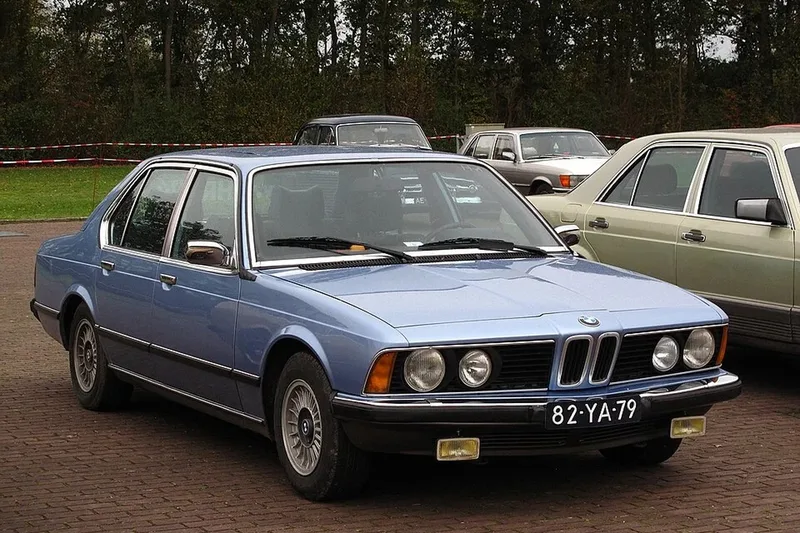
- Photo: E21 BMW 316 by Jeroen Coebergh, CC0 (cropped and resized) ↗
Figures are as reported by the companies or cited outlets as of 22 November 2026. Check the source before quoting. Corrections: let us know through the solution form.