What happened
BTG Holding offered S$0.77 per share in cash. The announcement and subsequent offer documents set out the consortium and terms, and trading was suspended after the offer closed. For the buyer, the offer bought a share of future earnings from a food group whose economics varied across formats and locations. For a seller, cash removed exposure to a period of uncertain trading and to any recovery that might follow.
The bid involved the founders and a substantial shareholder through the acquisition vehicle. Their operating knowledge may make a recovery plan credible but also creates an information gap for an outside shareholder deciding whether to accept. Offer documents, independent advice and public trading information are particularly important when a controlling group proposes to buy the rest during a period of change. A premium to a depressed price is informative without settling fairness.
Bakery sales respond quickly to the movement of people through stations, offices and malls. Rent commitments and central production capacity can change much more slowly. A model based on a normal year’s sales per outlet may exaggerate the speed of recovery. A model that capitalises a single severe period may undervalue long-established locations, recipes and customer habits.
A bakery’s apparent cash generation also benefits from customers paying quickly while suppliers may be paid later. When sales contract, that source of working capital can reverse even if management reduces production. Forecast collections, ingredient orders and the due dates of old invoices together. Extrapolating cash from the daily till without allowing for the unwind could make a short downturn look much easier to finance than it really is.
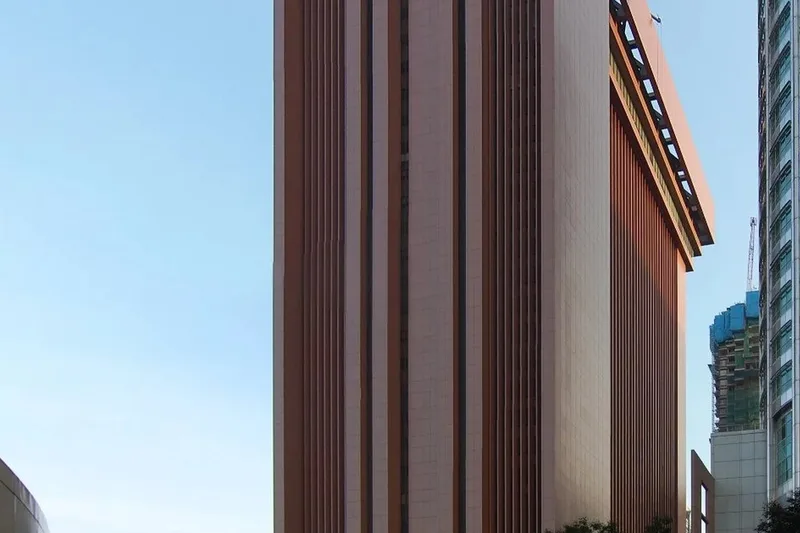
BreadTalk operated bakeries, restaurants such as Din Tai Fung franchises in Singapore, and food courts. Its brands operated across several Asian markets through owned and franchised outlets, so performance varied by format and location.
On 24 February 2020 BTG Holding, a vehicle owned by BreadTalk founder George Quek, his wife Katherine Lee and Thai hospitality group Minor International, offered S$0.77 a share in cash for BreadTalk Group. The price was 19.4% above the last close of S$0.645, 30.1% above the one-month volume-weighted average and 25.0% above the six-month average.
The consortium already held about 70.5% of the shares. After the deal, the founders and related parties would own 74.9% of BreadTalk and Minor 25.1%. BreadTalk had reported a net loss of about S$5.2 million for 2019, compared with a profit of S$15.2 million in 2018. The offer was announced just as Covid-19 began to hit restaurants and retail.
The offer closed in April 2020 with the consortium holding more than 97% of the shares, enough to compulsorily acquire the rest. BreadTalk was delisted from the Singapore Exchange on 5 June 2020.
Founder buyouts raise a familiar question: insiders know more about the business than outside shareholders and can choose when to bid. Independent financial advisers and offer rules exist to protect minority holders. In this case, many investors who had bought before mid-2019 still made a profit, but others had paid well above S$0.77 when the shares traded higher.
Key moments
The consortium announced its offer.
Trading was suspended after the offer closed and the offeror pursued delisting.
Offer of S$0.77 per share in cash; the consortium already held about 70.5%. Sources: BTG Holding press release; Dr Wealth (citing offer announcement).
The trade-offs at the heart of the case
A bakery without yesterday’s commuters
A station outlet and an estate outlet can report the same fall in sales for different reasons. One may have lost nearly all passing commuters while a competitor opened next to the other. The recovery profile and possible actions differ. Examine transactions, average spend and rent terms separately before assuming that lifting a temporary restriction restores the economics of every outlet. A buyer taking BreadTalk private acquired exposure to more than the best-known bakery counters. A credible valuation separates the characteristics of each business format before summing them. Locations serving daytime office crowds, family shopping visits and other dining occasions can react differently to the same external shock. A store-level model helps keep a poorly performing format from borrowing the assumed recovery curve of a stronger one. The final check is whether the consolidated forecast still pays for the shared infrastructure and head-office commitments that none of the individual outlets can avoid alone.
For your seminar, paper or interview
- Q1
What happens to central kitchen economics when a weak outlet closes?
- Q2
How should a temporary footfall shock enter a buyout valuation?
- Q3
Which recovery benefits should outside shareholders see in the offer price?
- Q4
How would you test whether sales moving between group stores rather than disappearing explains the evidence?
- Q5
Which observation would most change your estimate of the economics beneath a group offer price, and why?
- Founder buyouts
- Minority shareholder protection
- Timing of take-privates
- Strategic partners
How we would approach it
Simplifying Finance’s opinion, offered as a starting point for debate, not as fact or investment advice.
Construct an outlet-level forecast, distinguishing viable shops facing a temporary footfall shock from locations that were already marginal. Include the cost of closing a store, not just the rent saved. Model central kitchens separately, because closing a weak outlet can lower utilisation at a facility serving several stronger ones.
Bid from strength
Use the founders’ existing majority to make control certain.
Bring in a partner
Include a strategic investor to share the cost and add regional expertise.
Restructure privately
Close weak outlets and rework formats without quarterly market pressure.
What this plan gives up
The offer gave minority shareholders certain cash at a premium during a weak period, but it let insiders buy the rest of the business at a time when the shares were depressed.
The strongest counter-argument
The founders and consortium could reasonably argue that private ownership permits patient restructuring. Outside shareholders could reasonably ask how much of that recovery potential was already theirs. A fairness assessment must separate the change in market conditions from the change in ownership and distinguish evidence available in February from events visible later.
Metrics to watch
- cash contribution after unavoidable occupancy costs
- the economics beneath a group offer price
- Outlet count and closures
- Profitability after restructuring
Propose your solution
Pick a discussion question and set out what you would do, why, and what it would cost. Strong, well-argued answers are reviewed and published below with your first name and programme.
Published solutions
Loading published solutions…
- BTG Holding · Initial cash offer ↗
- SGX filing · Offer terms and consortium structure ↗
- The Business Times · Close of offer and trading suspension ↗
- BTG Holding: Voluntary conditional cash offer for BreadTalk (2020) ↗
- Inside Retail: BreadTalk to be privatised by founder and Minor ↗
- The Finance: BreadTalk delists from SGX ↗
- Photo: BreadTalk IHQ - 20231027 - RKSY.jpg by Robert Sim, CC BY-SA 4.0 (cropped and resized) ↗
Figures are as reported by the companies or cited outlets as of 22 November 2026. Check the source before quoting. Corrections: let us know through the solution form.