What happened
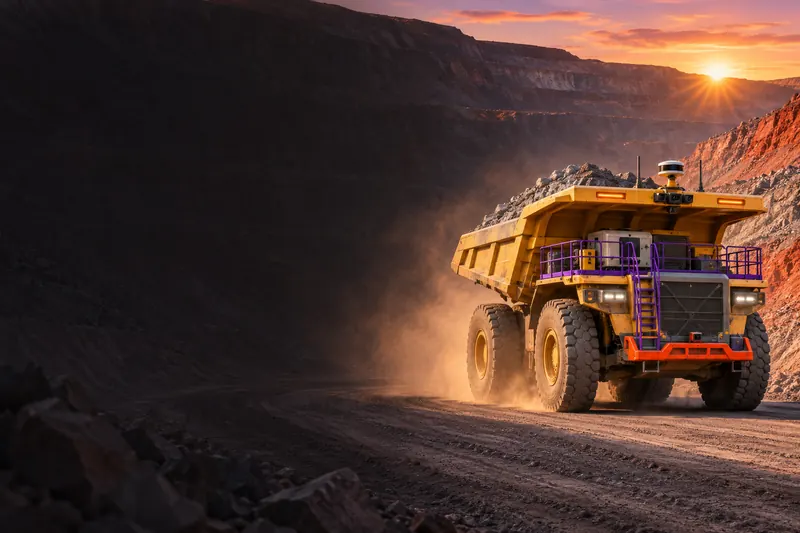
Caterpillar’s business swings with construction and mining cycles. It manages this through a vast dealer network, high-margin parts and services, and flexible production.
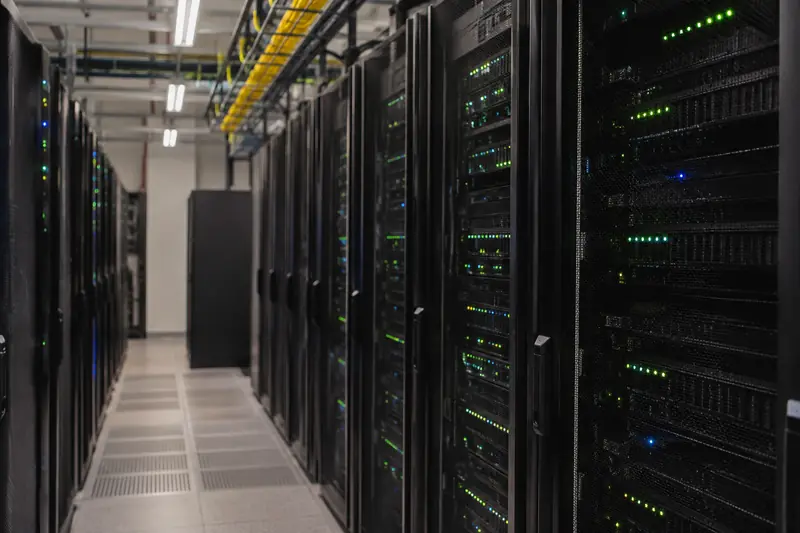
Its power business — large engines, generators and gas turbines — has become its fastest-growing unit, as data centres need backup and even primary power. Tariffs on steel and imported parts raised costs, and price discounts in construction cut margins.
The lessonCyclical companies can find new demand in unexpected places — but costs such as tariffs can absorb the gains.
Key moments
Holt and Best tractor companies merge to form Caterpillar.
Heavy losses and competition from Japan’s Komatsu force a major restructuring.
A mining boom and bust cuts sales sharply.
Data-centre demand turns engines and turbines into a growth engine.
Record revenue in its centennial year; tariffs weigh on profit.
For your seminar, paper or interview
- Q1
Why is Caterpillar’s dealer network a competitive advantage?
- Q2
How lasting is data-centre demand for its engines?
- Q3
How should Caterpillar respond to tariffs on its inputs?
- Cyclical industries
- Aftermarket and dealer networks
- Diversification
Propose your solution
Pick a discussion question and set out what you would do, why, and what it would cost. Strong, well-argued answers are reviewed and published below with your first name and programme.
Published solutions
Loading published solutions…
Figures are as reported in the cited sources. Check the source before quoting. Corrections: let us know through the solution form.