What happened
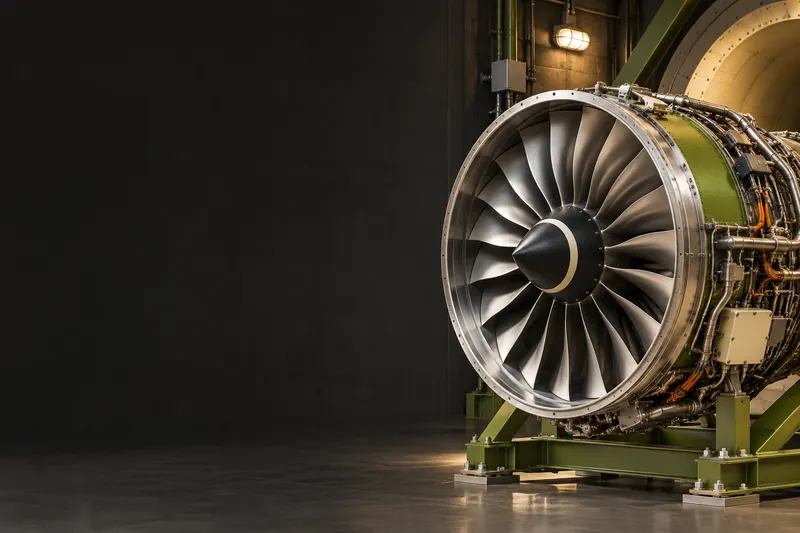
Jet engines are sold at low or negative margins. The money comes later, from spare parts and maintenance over 25–30 years of flying. This “razor and blades” model makes Safran’s profits grow as the global fleet ages and flies more.
The challenge has been supply. Shortages of parts slowed engine deliveries, frustrating Airbus and Boeing. Safran must balance new engines for planemakers with spare engines and parts for airlines. Its next engine, the RISE open-fan design, aims to cut fuel use by about 20%.
The lessonIn aerospace the installed base is the real asset: the engine sale is the start of the relationship, not the end.
Key moments
Snecma and GE form CFM International to build engines together.
The CFM56 becomes the best-selling jet engine in history.
Snecma and Sagem merge to form Safran.
Safran buys seat and cabin maker Zodiac Aerospace, which then struggles.
Record LEAP deliveries and fast growth in services; Safran raises its 2028 targets.
For your seminar, paper or interview
- Q1
Why does Safran sell engines cheaply but still earn high margins?
- Q2
What are the risks of a 50–50 joint venture with a competitor?
- Q3
How should Safran split scarce engines between new aircraft and spares?
- Razor-and-blades model
- Joint ventures
- Installed-base economics
Propose your solution
Pick a discussion question and set out what you would do, why, and what it would cost. Strong, well-argued answers are reviewed and published below with your first name and programme.
Published solutions
Loading published solutions…
- Safran: 2025 results ↗
- Forecast International: Safran revenue up 15% ↗
- FlightGlobal: CFM and the RISE engine ↗
Figures are as reported in the cited sources. Check the source before quoting. Corrections: let us know through the solution form.