What happened
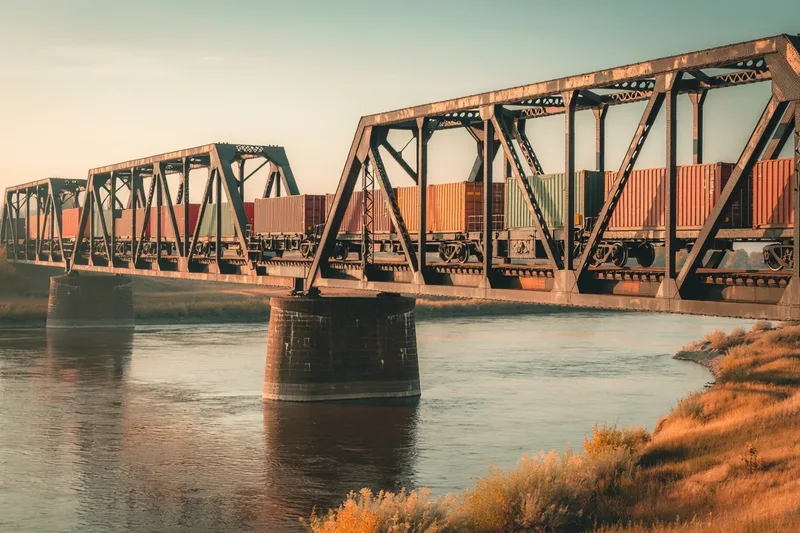
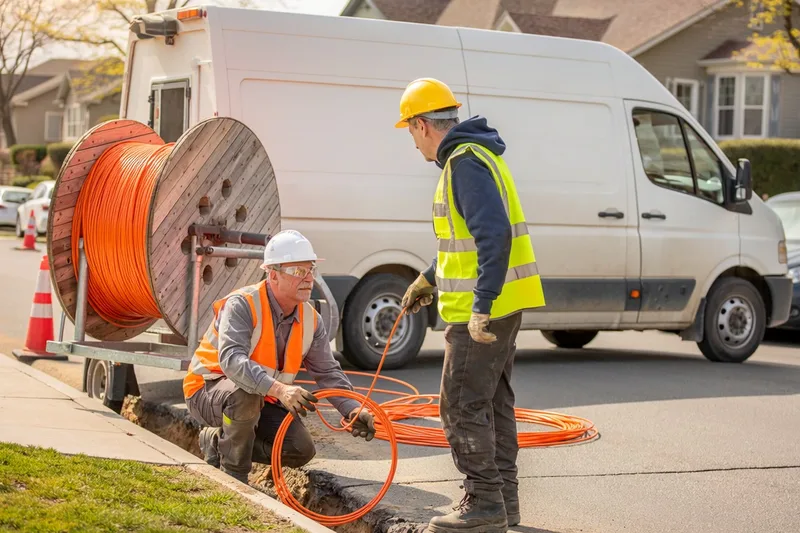
Coastal GasLink was designed to carry natural gas from northeastern British Columbia to the LNG Canada export terminal in Kitimat on the Pacific coast, giving Canadian gas its first direct route to Asian buyers. TC Energy, one of North America’s largest pipeline companies, agreed to build and operate it under contracts with the LNG Canada partners led by Shell.
The project ran into trouble on several fronts. Some Wet’suwet’en hereditary chiefs opposed the route through their territory, leading to blockades, protests and national rail disruptions in 2020, even though elected band councils along the route had signed agreements. Construction crossed rugged mountains and rivers in harsh weather. The Covid-19 pandemic disrupted work camps, and labour and material costs surged.
The budget rose from about C$6.2–6.6 billion to C$11.2 billion in July 2022 after a dispute with LNG Canada was settled, then to C$14.5 billion in February 2023. TC Energy recorded a fourth-quarter 2022 loss of nearly C$1.45 billion because of an impairment on its investment. The pipeline reached mechanical completion in November 2023.
The overrun damaged TC Energy’s balance sheet and its credibility with investors and credit rating agencies. The company responded by selling billions of dollars of assets, including part of its stake in Coastal GasLink, and spinning off its crude oil pipeline business, including the Keystone system, as South Bow Corp. in October 2024. Chief executive François Poirier promised to ‘live within our means’ and return to ‘no surprises’.
The case is a classic study of megaproject risk: why large infrastructure projects so often run over budget, how contracts allocate cost risk between builders and customers, and how stakeholder opposition can add years and billions to a project.
Researchers who study megaprojects, such as Oxford’s Bent Flyvbjerg, find that the large majority of big infrastructure projects run over budget, and that the overruns are often enormous. The causes are remarkably consistent: planners are optimistic about how smoothly work will go, early estimates are made before routes and designs are finalised, and the pressure to win approval encourages low numbers. Once construction begins, the project is effectively too expensive to abandon, so budgets keep rising rather than the project being cancelled.
Pipelines add their own complications. Each kilometre crosses different land, rivers, wildlife habitat and communities, so one difficult section can delay the whole line. Work in northern British Columbia is seasonal, and delays can push crews into another winter, adding camp costs and lost productivity. Contracts with construction firms also matter: when contractors carry less risk, they have less incentive to control costs, but shifting risk to them raises their bids.
For TC Energy, the overrun had consequences far beyond the project. Higher debt led rating agencies to warn of downgrades, which would have raised borrowing costs across the company. That pressure helped trigger the asset sales and the decision to split the company in two, changing its strategy for years.
Key moments
Coastal GasLink proposed to serve LNG Canada.
LNG Canada takes final investment decision; construction begins.
Wet’suwet’en protests and rail blockades.
Cost estimate rises to C$11.2bn.
Estimate rises to C$14.5bn; large impairment.
Mechanical completion.
TC Energy spins off South Bow; cuts debt.
Sources: BNN Bloomberg; CTV News; The Narwhal.
The trade-offs at the heart of the case
Schedule vs. cost
Pushing to finish on time in hard terrain raised costs further.
Contractual risk vs. relationships
Disputes with the customer over who pays overruns strained a key partnership.
Consent vs. legal approval
Legal permits and band agreements did not guarantee broad community acceptance.
For your seminar, paper or interview
- Q1
Why do megaprojects so often exceed their budgets?
- Q2
How should cost-overrun risk be shared between a pipeline builder and its customers?
- Q3
How did Indigenous rights and protests affect the project’s cost and timeline?
- Q4
Was spinning off the oil pipelines a good response to the balance-sheet damage?
- Q5
What would you change in planning a similar pipeline today?
- Megaproject management and optimism bias
- Contract design and risk allocation
- Stakeholder and rights-holder engagement
- Capital structure repair
How we would approach it
Simplifying Finance’s opinion, offered as a starting point for debate, not as fact or investment advice.
Coastal GasLink shows that the biggest risks in megaprojects are often underestimated at the start. Builders should price contingency honestly, share cost risk explicitly in contracts and secure broad community consent before construction begins.
Use reference-class forecasting
Base budgets on the outcomes of similar projects, not best-case engineering estimates.
Write clear cost-sharing clauses
Agree in advance how overruns are split between builder and customer.
Invest early in consent
Build agreements with all relevant rights-holders before committing to a route.
Protect the balance sheet
Fund megaprojects with partners so a single overrun cannot threaten the company.
What this plan gives up
Higher upfront contingencies and partner funding reduce returns and can make projects look less attractive, so some may never be approved.
The strongest counter-argument
Some argue the pipeline will earn steady returns for decades and that its strategic value in opening Asian markets justifies the overrun, which will look small in hindsight.
Metrics to watch
- Final cost recoveries
- LNG Canada throughput
- TC Energy debt-to-EBITDA
- Capital spending discipline
- Community agreements
Propose your solution
Pick a discussion question and set out what you would do, why, and what it would cost. Strong, well-argued answers are reviewed and published below with your first name and programme.
Published solutions
Loading published solutions…
- BNN Bloomberg: Coastal GasLink budget ballooned to C$14.5B ↗
- CTV News: TC Energy raises expected cost to $14.5B ↗
- CTV News: TC Energy reports Q4 loss on Coastal GasLink ↗
- CTV News: TC Energy to focus on smaller projects ↗
Figures are as reported by the companies or cited outlets as of 22 November 2026. Check the source before quoting. Corrections: let us know through the solution form.