What happened
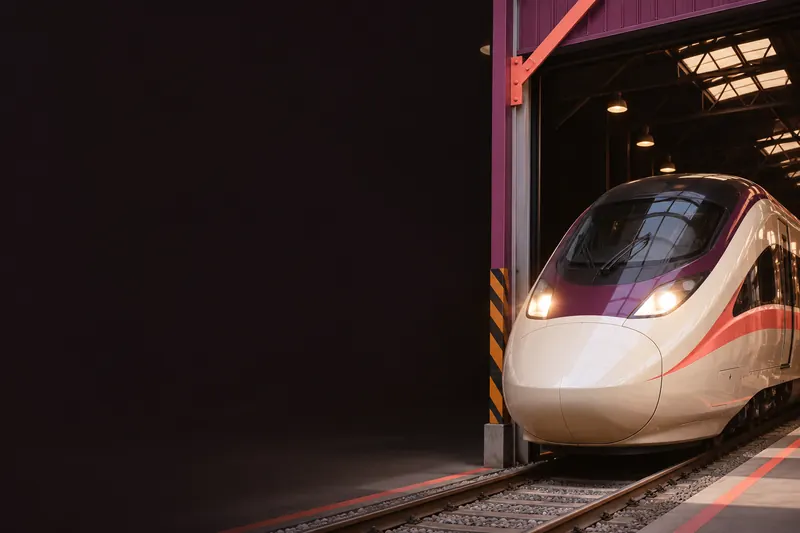
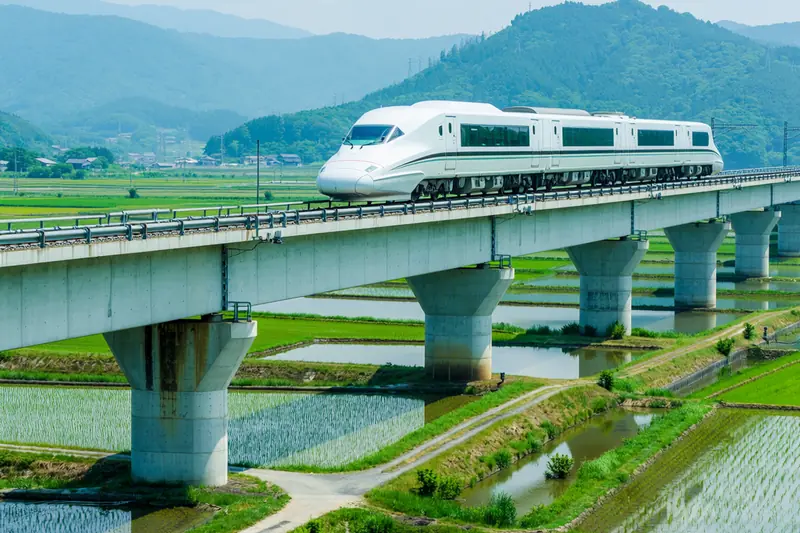
China built the world’s largest high-speed rail network, giving CRRC enormous scale. It learned from foreign partners, then developed its own designs. Low costs help it win abroad.
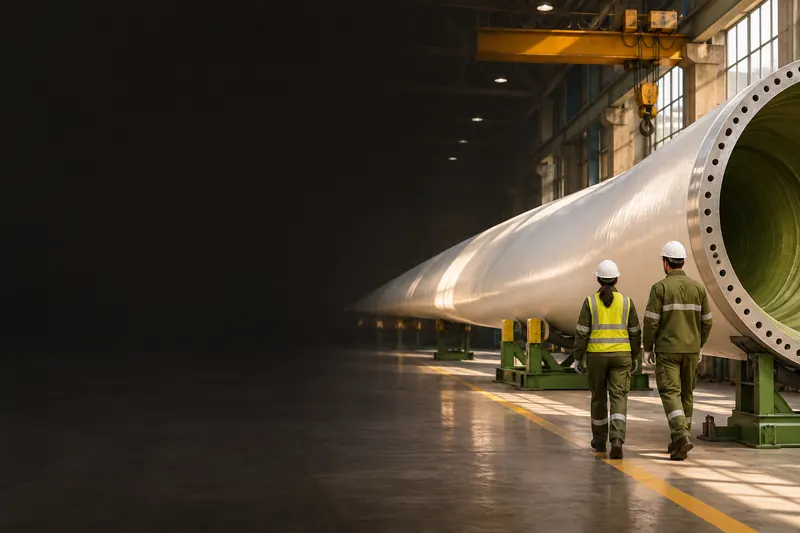
Western governments worry about state subsidies and security. The EU’s Foreign Subsidies Regulation and US limits on transit funding have blocked some bids. CRRC has diversified into wind turbines and other industries.
The lessonState support can create global scale quickly — but also political barriers to selling abroad.
Key moments
China licenses high-speed train technology from Siemens, Alstom, Kawasaki and Bombardier.
The first Chinese high-speed line opens for the Beijing Olympics.
CSR and CNR merge to form CRRC.
The US and EU restrict CRRC bids on security and subsidy concerns.
Record revenue; new-energy businesses reach 38% of sales.
For your seminar, paper or interview
- Q1
How did CRRC become so large so fast?
- Q2
Should Western countries allow CRRC to bid for contracts?
- Q3
Why is CRRC diversifying into new energy?
- State capitalism
- Technology transfer
- Trade policy
Propose your solution
Pick a discussion question and set out what you would do, why, and what it would cost. Strong, well-argued answers are reviewed and published below with your first name and programme.
Published solutions
Loading published solutions…
- Tiger / Bulletin Express: CRRC 2025 results ↗
- Quartr: CRRC Q4 2025 summary ↗
- MT Newswires via Tiger: CRRC 2025 profit ↗
Figures are as reported in the cited sources. Check the source before quoting. Corrections: let us know through the solution form.