What happened
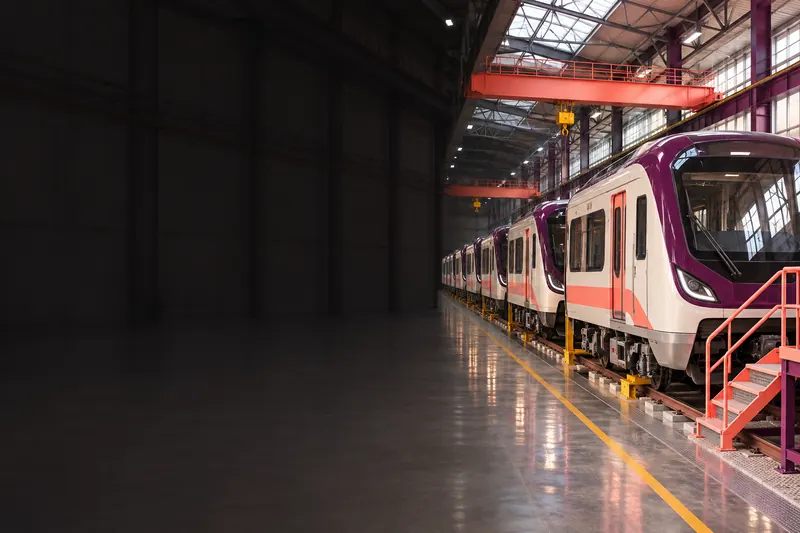
Alstom wanted scale after the EU blocked its merger with Siemens Mobility in 2019. Bombardier’s rail unit added factories, products and customers — but also contracts priced to bring in cash quickly, late projects and poorly performing trains.
Demand for trains is strong, with record orders, but rail projects are long and fixed-price. Delays and redesigns eat margins, and customers pay in stages, so cash swings widely. Alstom’s new CEO has promised tighter execution.
The lessonA big order book does not guarantee profit. In project businesses, how contracts are priced and delivered decides everything.
Key moments
Alstom agrees to buy Bombardier Transportation.
The €5.5bn deal closes; problem contracts and delays emerge.
Alstom burns about €1.7bn of cash and starts arbitration against Bombardier.
A €1bn rights issue, asset sales and bond issue repair the balance sheet.
Alstom withdraws its cash and margin targets; shares fall about 30%.
For your seminar, paper or interview
- Q1
What due diligence questions should Alstom have asked about Bombardier’s contracts?
- Q2
Why do rail manufacturers struggle to generate cash?
- Q3
Was the EU right to block the Siemens–Alstom merger?
- Post-merger integration
- Project risk and fixed-price contracts
- Working capital in project businesses
Propose your solution
Pick a discussion question and set out what you would do, why, and what it would cost. Strong, well-argued answers are reviewed and published below with your first name and programme.
Published solutions
Loading published solutions…
- New Mobility: Alstom plummets almost 30% ↗
- Pulse: new CEO warns of fallout ↗
- The Star / Bloomberg: Bombardier cash burn ↗
Figures are as reported in the cited sources. Check the source before quoting. Corrections: let us know through the solution form.