What happened
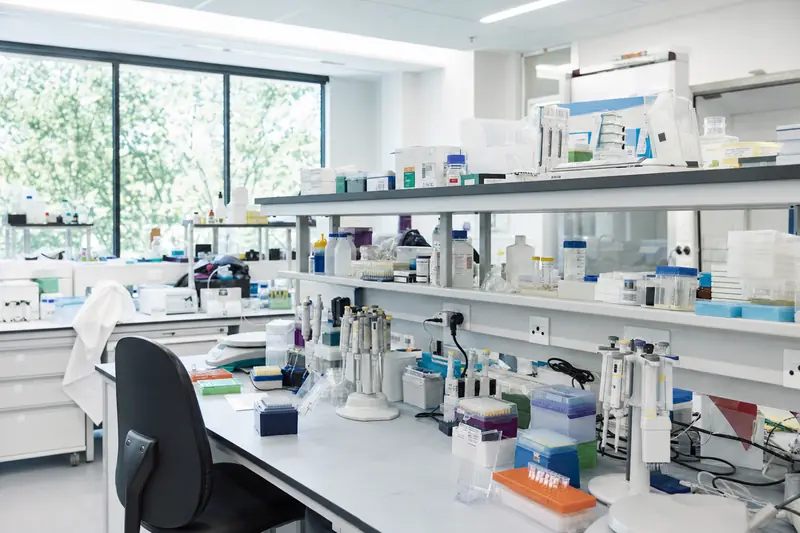
ADCs had disappointed for years because the toxic payload leaked or the link broke. Daiichi’s DXd technology improved stability and potency, and Enhertu showed dramatic results in breast cancer.
Rather than sell globally alone, Daiichi partnered with larger companies, receiving cash upfront and sharing profits. The risk is depending heavily on one technology platform.
The lessonA company can recover from a failed acquisition by betting on a focused, distinctive technology.
Key moments
Daiichi and Sankyo merge.
It buys control of India’s Ranbaxy, which soon faces FDA bans.
Daiichi sells Ranbaxy to Sun Pharma at a loss.
AstraZeneca partners on Enhertu.
Merck signs a deal worth up to $22bn for three more ADCs.
For your seminar, paper or interview
- Q1
How did Daiichi Sankyo recover from Ranbaxy?
- Q2
Why partner with AstraZeneca and Merck rather than go alone?
- Q3
What risks come from relying on one platform?
- Platform technology
- Partnership strategy
- Strategic renewal
Propose your solution
Pick a discussion question and set out what you would do, why, and what it would cost. Strong, well-argued answers are reviewed and published below with your first name and programme.
Published solutions
Loading published solutions…
- Fierce Biotech: Merck pays $4bn upfront ↗
- GEN: Merck–Daiichi $22bn collaboration ↗
- Pharmaceutical Technology: AstraZeneca 2025 Enhertu sales ↗
Figures are as reported in the cited sources. Check the source before quoting. Corrections: let us know through the solution form.