What happened
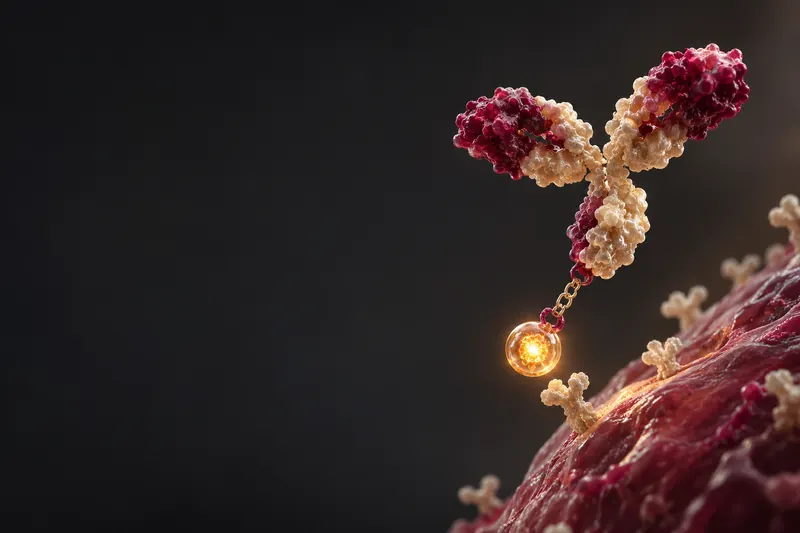
Dupixent treats several inflammatory diseases, so each new approval expands its market. It is shared with Regeneron, which receives part of the profits.
Sanofi used Opella proceeds to buy biotech companies and its own shares. Its key challenge is building a pipeline strong enough to replace Dupixent when patents expire in the 2030s, while also handling vaccine policy uncertainty in the US.
The lessonOne great product can carry a company — for a while. The real test is what comes next.
Key moments
Sanofi is created as a subsidiary of French oil company Elf Aquitaine.
Sanofi merges with Aventis.
Dupixent, developed with Regeneron, is approved for eczema.
Dupixent wins approval for COPD and more conditions.
Sanofi sells a controlling stake in Opella to CD&R.
For your seminar, paper or interview
- Q1
How dependent is Sanofi on Dupixent?
- Q2
Why did Sanofi sell its consumer health business?
- Q3
What are the pros and cons of sharing a drug with a partner like Regeneron?
- Concentration risk
- Portfolio strategy
- Alliance management
Propose your solution
Pick a discussion question and set out what you would do, why, and what it would cost. Strong, well-argued answers are reviewed and published below with your first name and programme.
Published solutions
Loading published solutions…
- MarketBeat: Sanofi Q4 2025 call highlights ↗
- Sanofi: Q2 2025 results ↗
- Tiger: Dupixent hits record sales ↗
Figures are as reported in the cited sources. Check the source before quoting. Corrections: let us know through the solution form.