What happened
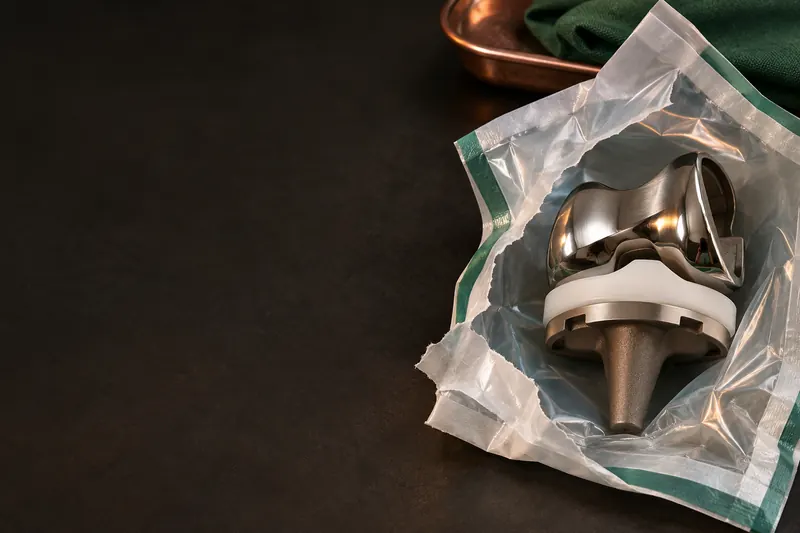
Metal parts rubbing together released metal debris, damaging tissue and requiring painful revision surgery. Because the device was cleared based on similarity to existing ones, it did not need large clinical trials.
Joint registries outside the US spotted the problem first. The case pushed regulators toward stronger evidence and post-market monitoring for high-risk implants.
The lessonA fast regulatory route lowers the bar for evidence — and the cost can show up later in patients.
Key moments
The ASR XL is cleared in the US through the 510(k) pathway.
Registries in Australia and the UK show high failure rates.
DePuy recalls the ASR worldwide.
J&J agrees a US settlement of about $2.5bn.
Regulators tighten rules for metal-on-metal hips.
For your seminar, paper or interview
- Q1
Why was the ASR cleared without large trials?
- Q2
How did joint registries help detect the problem?
- Q3
Should implants require stronger evidence before approval?
- Regulatory pathways (510(k))
- Post-market surveillance
- Product liability
Propose your solution
Pick a discussion question and set out what you would do, why, and what it would cost. Strong, well-argued answers are reviewed and published below with your first name and programme.
Published solutions
Loading published solutions…
- MassDevice: J&J to settle ASR suits ↗
- Manufacturing.net / AP: J&J to pay $2.5bn ↗
- Cutter Law: ASR failure data ↗
Figures are as reported in the cited sources. Check the source before quoting. Corrections: let us know through the solution form.