What happened
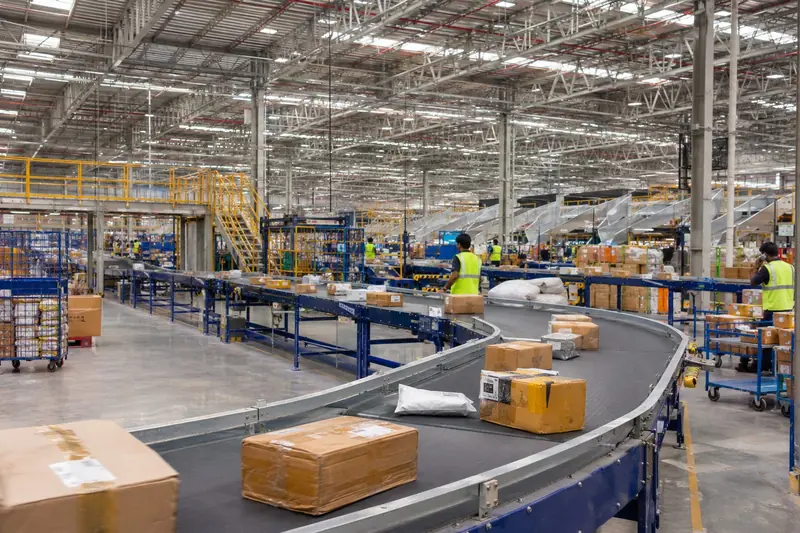
Food delivery growth slowed, and Zomato saw quick commerce as a much bigger market. Dark stores — small warehouses near customers — make fast delivery possible.
Competition with Swiggy Instamart, Zepto, and later Flipkart and Amazon forced heavy spending on stores and discounts. Eternal also shifted Blinkit to owning inventory, boosting reported revenue.
Investors rewarded the growth, pushing the stock to record highs even as profits fell. The key question is whether new stores become profitable as they mature.
The case shows the trade-off between growth and profit in a winner-takes-most race.
The lessonIn a land-grab race, companies sacrifice profits for scale — the bet pays off only if unit economics improve later.
Key moments
Deepinder Goyal starts a restaurant-menu website.
Zomato lists on Indian exchanges.
Zomato buys Blinkit for about ₹4,447 crore.
Quick commerce booms; Zepto and Swiggy Instamart race too.
Zomato becomes Eternal; Blinkit expands rapidly.
Blinkit passes 2,000 dark stores.
For your seminar, paper or interview
- Q1
Why did Zomato buy Blinkit?
- Q2
How do dark stores work?
- Q3
Should Eternal slow its expansion to protect profits?
- Q4
Can several quick-commerce players all survive?
- Unit economics
- Growth strategy
- Competitive dynamics
- Capital allocation
Propose your solution
Pick a discussion question and set out what you would do, why, and what it would cost. Strong, well-argued answers are reviewed and published below with your first name and programme.
Published solutions
Loading published solutions…
- Inc42: Eternal Q4 FY25 ↗
- Inc42: Eternal Q3 FY26 ↗
- Mint: Blinkit rivals food business ↗
- Business Standard: shares hit all-time high ↗
Figures are as reported in the cited sources. Check the source before quoting. Corrections: let us know through the solution form.