What happened
Swiggy built a large logistics network for food delivery. Quick commerce looked like a natural extension using the same riders and app.
But Blinkit expanded faster, and Zepto, Flipkart and Amazon also entered. Swiggy spent heavily on dark stores and discounts.
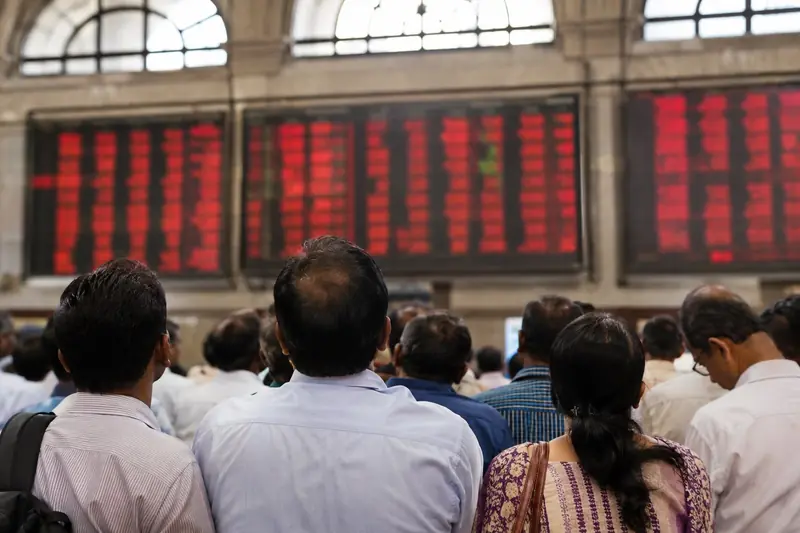
Food delivery became profitable, but Instamart losses outweighed it. Investors compared Swiggy unfavourably with Eternal.
The case shows how being second in a winner-takes-most market can be costly, and how public markets judge growth stories.
The lessonBeing early is not enough — in a fast race, the fastest executor often takes the biggest prize.
Key moments
Swiggy is founded in Bengaluru.
Instamart launches.
Swiggy is valued at $10.7bn privately.
Swiggy lists on Indian exchanges.
Shares fall below the IPO price.
Instamart losses continue as competition rages.
For your seminar, paper or interview
- Q1
Why did Swiggy fall behind Blinkit?
- Q2
Should Swiggy have listed before Instamart was profitable?
- Q3
Can food delivery profits fund quick-commerce losses?
- Q4
What would make quick commerce profitable?
- First-mover vs fast-follower
- IPO valuation
- Unit economics
- Market share dynamics
Propose your solution
Pick a discussion question and set out what you would do, why, and what it would cost. Strong, well-argued answers are reviewed and published below with your first name and programme.
Published solutions
Loading published solutions…
- TechCrunch: Swiggy falls below IPO price ↗
- Business Standard: Q3 loss widens ↗
- Outlook Business: losses narrow despite Instamart ↗
- Inc42: growth vs profitability ↗
Figures are as reported in the cited sources. Check the source before quoting. Corrections: let us know through the solution form.