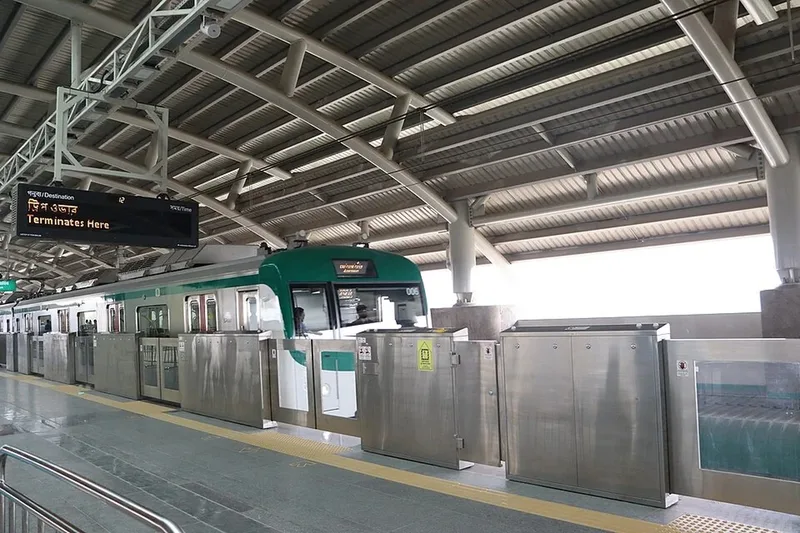
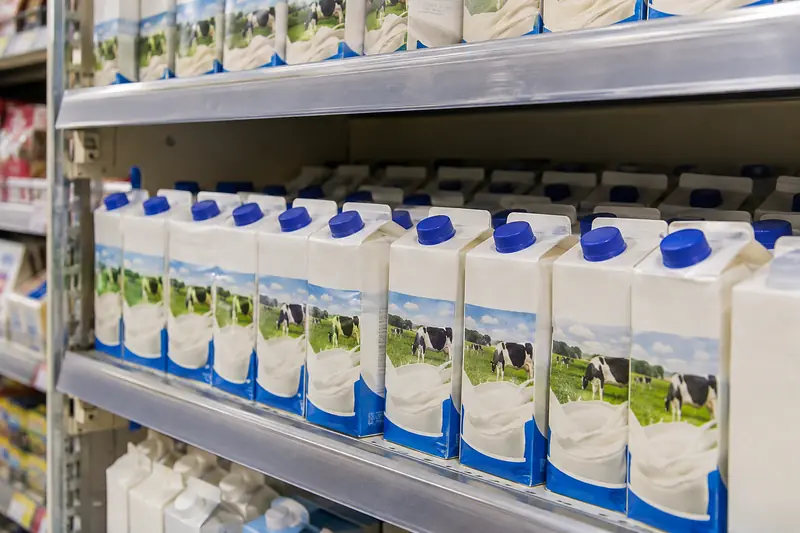
What happened
Storage creates value through several channels. It may lower physical loss, preserve quality, permit procurement nearer harvest and allow release when transport or markets are disrupted. Each channel depends on stock rotation, handling and timely decisions about when grain should leave the facility. A full silo that cannot dispatch the required grade to the right district in time has met a utilisation target while failing a food-security objective.
An appraiser should compare loss rates for comparable lots stored for similar durations. If the old stores held grain longer than the new silos, a simple percentage comparison would exaggerate the equipment’s effect. Measure quality downgrades as well as missing weight, and value recoverable grain at the appropriate price rather than automatically at the retail price of a premium product. Interest on working capital and the opportunity cost of acquiring stocks early also belong in the account.
There is a tension between rapid turnover and emergency reserves. Commercially attractive rotation can leave too little stock in a bad season. Holding reserves longer can increase both spoilage and cost. Define a minimum readiness level and test whether stocks can be located, sampled and delivered promptly. The right success measure is usable grain released when needed at a lower total cost. A larger steel structure, by itself, proves only that the government has bought more space.
The World Bank approved the Modern Food Storage Facilities Project on 30 December 2013 with a US$210 million IDA credit, and the agreement was signed in April 2014. The Directorate General of Food was the implementing agency. The plan was to build steel silos able to store about 535,500 tonnes of rice and wheat.
The World Bank said the silos could keep grain for up to three years while retaining its nutritional quality, compared with about seven months in conventional storage, and that the reserve could feed millions of people after a disaster. The project also planned to distribute household silos to about 500,000 families in disaster-prone coastal areas.
In July 2020 the World Bank approved US$202 million in additional financing, describing support for eight modern steel silo complexes in eight districts and an aim of reducing storage and handling losses in public facilities by at least 50 percent.
Every inventory has a cost of holding it: storage, spoilage, and the money tied up in stock. For a food reserve, the aim is not to minimise stock but to keep enough usable grain at the lowest total cost. Businesses that manage inventory well, from supermarkets to manufacturers, apply the same thinking: measure losses, rotate stock and know exactly how quickly goods can reach customers. For a country exposed to floods and cyclones, that discipline can be the difference between a reserve that feeds people and one that spoils unused, and between public money well spent and money wasted.
Key moments
Original IDA credit approved.
Credit became effective.
Additional financing was approved for the project.
Source: World Bank, World Development Indicators (AG.PRD.CREL.MT).
The trade-offs at the heart of the case
Value the grain at release
Draw a sample of lots with recorded entry weight, moisture, grade and acquisition cost. Follow each through storage to its actual release date, weight, grade and delivery destination. A change in moisture affects measured weight even when there has been no comparable economic loss. Include handling and financing costs and the cost of moving grain nearer the final user. I would allocate a monitoring budget where lower losses can be demonstrated in saleable condition and emergency readiness. Where the main failure is late dispatch, better stock information or dispatch contracts may recover more value than additional storage capacity. A periodic physical count has greatest value when unexplained differences trigger an investigation of moisture, handling or release records rather than a routine accounting adjustment.
A reliable crossing can change how much storage is needed
A grain silo and a bridge seem unrelated until a lorry cannot reach a market. Better transport can reduce the need to store stock close to consumers, or make a strategically placed national reserve more effective because it can be dispatched quickly. A food ministry should therefore update its storage plan as routes and crossing reliability change. Holding the same stock in every district may offer resilience at high expense; concentrating it widely away from vulnerable communities may leave urgent needs unmet. Use seasonal travel times, loading capacity and tested delivery arrangements. The economic contribution of a silo is what the food system can deliver with it under difficult conditions, including the transport services on which the release depends.
For your seminar, paper or interview
- Q1
Which costs change when grain stays in storage longer?
- Q2
How should an evaluator price a quality downgrade?
- Q3
What makes an emergency reserve ready for release?
- Inventory management
- Storage losses
- Strategic reserves
- Capital versus operating cost
How we would approach it
Simplifying Finance’s opinion, offered as a starting point for debate, not as fact or investment advice.
We think the value of steel silos lies in the grain they save, not in the tonnes they hold. Modern silos keep rice and wheat in good condition for much longer than traditional warehouses, so the return comes from lower spoilage and a reserve that is actually usable when a disaster strikes.
Track losses carefully
Measure storage losses in silos and older warehouses side by side.
Rotate stocks
Use first-in, first-out rules so grain does not sit too long.
Plan release in disasters
Agree in advance how and where reserves will be distributed after floods or cyclones.
What this plan gives up
Large central silos store grain efficiently but may be far from the communities that need food after a disaster.
The strongest counter-argument
Some argue that cash transfers and well-functioning markets can protect households more cheaply than holding large public grain stocks.
Metrics to watch
- Storage loss rate in modern silos
- Time to deliver grain after a disaster
Propose your solution
Pick a discussion question and set out what you would do, why, and what it would cost. Strong, well-argued answers are reviewed and published below with your first name and programme.
Published solutions
Loading published solutions…
- World Bank: Modern Food Storage Facilities project restructuring, 2024 ↗
- World Bank: Modern Food Storage Facilities restructuring paper ↗
- World Bank: World Development Indicators, Cereal production ↗
- World Bank: $210 million support for modern food storage (signing) ↗
- World Bank: $202 million additional financing (2020) ↗
- The Daily Star: World Bank offers $210m for food storage ↗
- World Bank: Restructuring paper (P120583) ↗
- Photo: Food Minister Afroza Khanam inspecting the steel rice silo in Narayanganj, 2026-10-06.jpg by Press Information Department, Public domain (cropped and resized) ↗
Figures are as reported by the companies or cited outlets as of 22 November 2026. Check the source before quoting. Corrections: let us know through the solution form.