What happened
The shipping industry ordered too many ships after 2008, and freight rates crashed. Hanjin lost money for years.
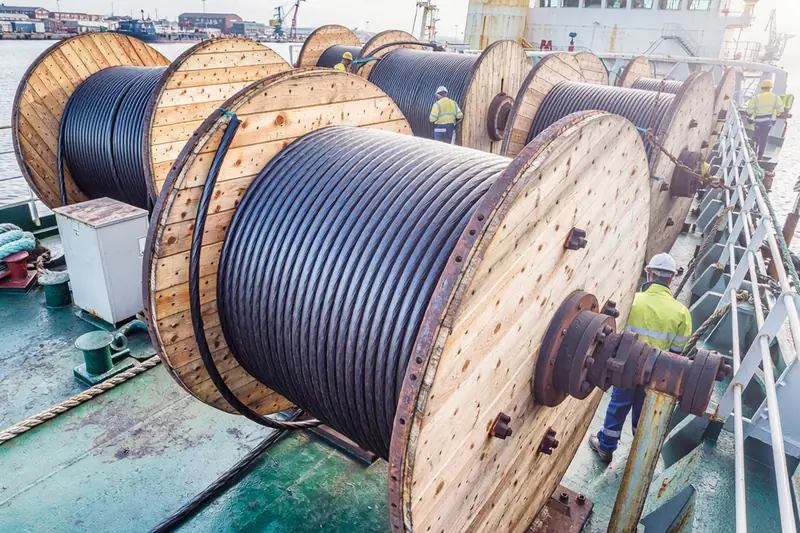
When it filed, ports refused its ships for fear of unpaid fees, leaving cargo stuck before the holiday season. Retailers had to pay to recover goods.
The lessonIn network businesses, a single failure can disrupt supply chains worldwide.
Key moments
Hanjin Shipping is founded.
Freight rates collapse amid overcapacity.
Creditors refuse more support; Hanjin files.
A court declares it bankrupt.
For your seminar, paper or interview
- Q1
Why did shipping lines overbuild?
- Q2
Why did ports refuse Hanjin ships?
- Q3
Should the government have rescued it?
- Capital cycle
- Supply-chain risk
- Liquidity
Propose your solution
Pick a discussion question and set out what you would do, why, and what it would cost. Strong, well-argued answers are reviewed and published below with your first name and programme.
Published solutions
Loading published solutions…
Figures are as reported in the cited sources. Check the source before quoting. Corrections: let us know through the solution form.