What happened
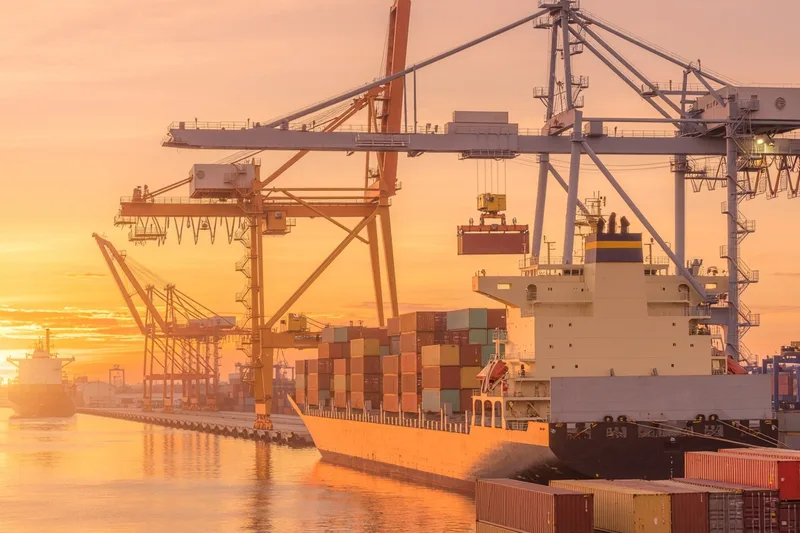
Lim Oon Kuin, known as O.K. Lim, emigrated from China and started delivering diesel from a single truck in Singapore in the early 1960s. He built Hin Leong Trading into one of Asia’s largest oil traders, supplying fuel to ships, refining and storing oil, and owning a fleet of tankers through its sister company Ocean Tankers. Hin Leong was formally established in 1973 and owned by Lim and his two children.
Oil trading depends on bank credit. A trader buys a cargo of oil, often using a letter of credit or a loan from a bank, and repays it when the oil is sold. Banks lend against documents showing the cargo exists and has been sold to a buyer. Hin Leong borrowed from about 23 banks, including HSBC, ABN Amro and DBS.
Behind the scenes, Hin Leong had been losing money on bets on oil price movements, using futures and swaps. Liquidators later found net losses of about US$808 million from these trades between 2010 and 2020, concealed in the accounts using fictitious swap trades. The company continued to pay its owners dividends of around US$90 million while it was in fact insolvent.
To keep cash flowing, Hin Leong used the same cargoes to borrow from several banks, or created sales documents for deals that did not exist. Because banks did not share information about which cargoes they were financing, the same oil could be pledged more than once.
In early 2020 COVID-19 caused oil demand to collapse. Prices plunged, and Hin Leong lost heavily on a bet that the market would recover quickly. In April 2020 Lim admitted to banks that the firm had hidden about US$800 million in losses and owed close to US$4 billion. The company was placed under court supervision and later liquidated. Its tankers, property and other assets were sold to repay creditors.
The collapse shook Singapore’s position as Asia’s leading oil trading hub. Several other commodity traders failed in the same period, and some banks reduced or stopped lending to small and medium-sized traders. The Monetary Authority of Singapore urged banks not to withdraw indiscriminately from the bunkering and oil trading sectors.
Liquidators and HSBC sued Lim and his children in 2020 to recover the losses. In September 2024, after a 50-day civil trial, the family agreed to pay US$3.5 billion plus interest, without admitting fault. They admitted they did not have enough assets to pay, and were declared bankrupt in December 2024.
In a separate criminal case, Lim was convicted in May 2024 of two charges of cheating HSBC and one of instigating forgery. He had caused the bank to pay out US$111.6 million against two fabricated oil sale contracts, of which US$85 million was never recovered. Prosecutors described it as one of the most serious trade financing frauds ever prosecuted in Singapore. In November 2024, aged 82, he was sentenced to 17 and a half years in jail. He appealed.
Prosecutors alleged that 16 banks in Singapore suffered about US$292 million in actual losses on US$2.7 billion of loans they were deceived into extending. Losses across all creditors were much larger.
The case examines how trade finance works, why it is vulnerable to fraud, and how hidden trading losses can grow over years. It also explores the role of family control, weak governance and lack of independent oversight in allowing problems to stay hidden.
Since the collapse, banks and the industry have worked on digital systems to register cargoes and documents so that the same goods cannot be financed twice. Lenders have also demanded more transparency from traders, including audited accounts and information on hedging positions.
For students, Hin Leong shows that rapid growth and a strong reputation can mask serious weaknesses. Banks relied on the founder’s decades-long track record rather than independent verification, and the company’s private, family-owned status meant there was little outside scrutiny.
It also shows how leverage magnifies risk. A trading company with thin margins and large borrowings can be wiped out by a single bad bet if losses are hidden rather than recognised and corrected early.
Key moments
O.K. Lim starts delivering fuel from a single truck.
Hin Leong Trading established.
About US$808m of trading losses concealed.
Collapse as oil prices crash; hidden losses revealed.
Lim convicted of cheating HSBC and abetting forgery.
Family agrees to pay US$3.5bn; later declared bankrupt.
Lim sentenced to 17.5 years.
Settlement was agreed in civil proceedings; the family later declared bankruptcy. Source: Straits Times, ICC Trade Finance, Maritime Executive.
The trade-offs at the heart of the case
Trust vs. verification
Banks relied on reputation rather than checks.
Family control vs. oversight
Private ownership limited outside scrutiny.
Growth vs. leverage
Borrowing magnified hidden losses.
For your seminar, paper or interview
- Q1
How does trade finance work, and why is it vulnerable to fraud?
- Q2
How did Hin Leong hide its losses for so long?
- Q3
Why did the banks not detect the problems?
- Q4
What reforms can prevent double financing of cargoes?
- Q5
What governance lessons does Hin Leong offer family businesses?
- Trade finance risk
- Fraud detection
- Corporate governance
- Leverage and risk
How we would approach it
Simplifying Finance’s opinion, offered as a starting point for debate, not as fact or investment advice.
Hin Leong’s collapse was a failure of both governance and bank diligence. Lenders should verify cargoes and hedging positions independently, share information through digital registries, and treat even long-standing borrowers with healthy scepticism.
Verify cargoes digitally
Use shared registries to stop double financing.
Demand hedging disclosure
Require traders to report derivative positions.
Insist on independent audits
Audited accounts as a lending condition.
Diversify bank exposure
Avoid large concentrations to single traders.
What this plan gives up
Stricter checks raise costs and may cut off credit to smaller honest traders.
The strongest counter-argument
Some argue that determined fraudsters will always find ways around controls, so banks should simply price in higher risk.
Metrics to watch
- Trade finance losses
- Adoption of digital cargo registries
- Bank lending to commodity traders
- Court appeals
- Recovery for creditors
Propose your solution
Pick a discussion question and set out what you would do, why, and what it would cost. Strong, well-argued answers are reviewed and published below with your first name and programme.
Published solutions
Loading published solutions…
- The Star/ST: O.K. Lim gets 17½ years’ jail ↗
- The Star/ST: O.K. Lim and children agree to pay US$3.5bn ↗
- ICC Trade Finance: Hin Leong case ↗
- Maritime Executive: Hin Leong scandal winds to a close ↗
Figures are as reported by the companies or cited outlets as of 22 November 2026. Check the source before quoting. Corrections: let us know through the solution form.