What happened
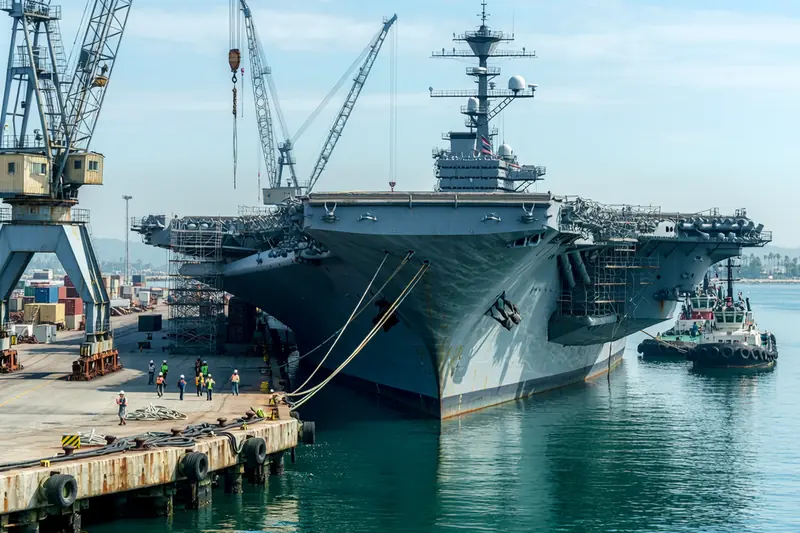
Shipbuilding is highly cyclical: orders boom when trade and freight rates rise, then collapse. Chinese yards now build more ships by number, often cheaper. Korean yards focus on complex, high-value ships like LNG carriers.
New fuel rules and US efforts to rebuild naval shipbuilding capacity have created opportunities. The challenge is avoiding the overexpansion that hurt the industry in past cycles.
The lessonIn a cyclical industry, the winners are those who stay competitive in the downturn and specialise in the hardest products.
Key moments
Chung Ju-yung starts building a shipyard and ships at the same time in Ulsan.
Hyundai becomes the world’s largest shipbuilder.
An industry slump and offshore losses lead to restructuring.
Demand rises for LNG carriers and dual-fuel ships.
Record results; Korea and the US explore shipbuilding cooperation (MASGA).
For your seminar, paper or interview
- Q1
How did Hyundai survive the shipbuilding slump?
- Q2
How can Korean yards compete with China?
- Q3
What opportunities does US naval demand create?
- Industry cycles
- Differentiation
- Industrial policy
Propose your solution
Pick a discussion question and set out what you would do, why, and what it would cost. Strong, well-argued answers are reviewed and published below with your first name and programme.
Published solutions
Loading published solutions…
- Korea Herald: HD KSOE record 2025 ↗
- Baird Maritime: HD KSOE 2025 profit ↗
- Quartr: HHI Q4 2025 summary ↗
Figures are as reported in the cited sources. Check the source before quoting. Corrections: let us know through the solution form.