What happened
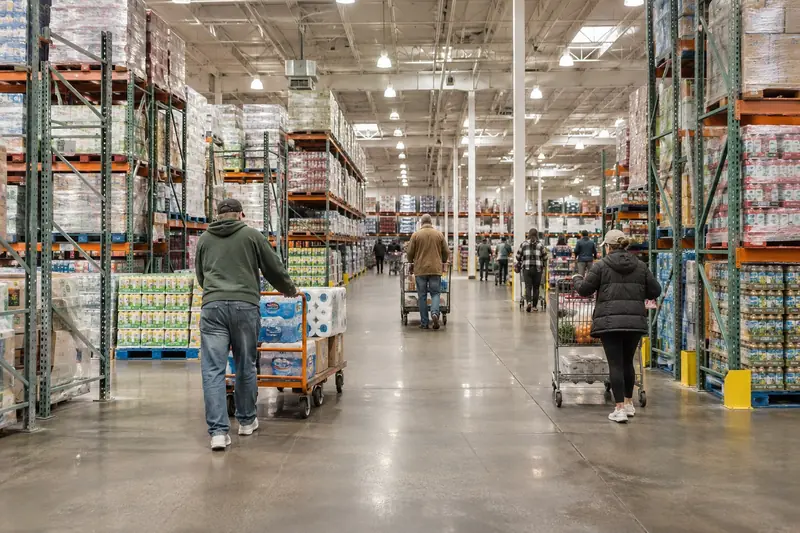
Flat-pack furniture cuts shipping and storage costs, and customers do the assembly. Huge volumes give IKEA buying power.
IKEA is structured unusually: Inter IKEA owns the brand and franchises it, mainly to Ingka Group. Neither is listed, allowing long-term decisions.
Weak housing markets and squeezed budgets hurt demand. IKEA chose to accept lower revenue to keep customers coming.
The case shows how a private, long-term owner can choose volume and loyalty over short-term revenue.
The lessonCutting prices can sacrifice short-term revenue to protect long-term market share and customer trust.
Key moments
Ingvar Kamprad founds IKEA in Sweden at 17.
IKEA starts selling flat-pack furniture.
The first IKEA store opens in Älmhult.
Prices rise with supply-chain inflation.
IKEA invests billions in price cuts.
A further €1.2bn of price cuts in Europe.
For your seminar, paper or interview
- Q1
Why did IKEA cut prices rather than protect margins?
- Q2
How does flat-pack design lower costs?
- Q3
How does IKEA’s ownership structure help?
- Q4
What are the risks of price cuts?
- Price elasticity
- Cost leadership
- Ownership and long-termism
- Franchise structures
Propose your solution
Pick a discussion question and set out what you would do, why, and what it would cost. Strong, well-argued answers are reviewed and published below with your first name and programme.
Published solutions
Loading published solutions…
- RTÉ/Reuters: sales fall amid price cuts ↗
- Retail Insight Network: Inter IKEA sales ↗
- Irish Examiner: wallets are thinner ↗
- Furniture News: €1.2bn price cuts ↗
Figures are as reported in the cited sources. Check the source before quoting. Corrections: let us know through the solution form.