What happened
Amazon grew by offering convenience online. Walmart’s advantage was physical stores within ten miles of most Americans.
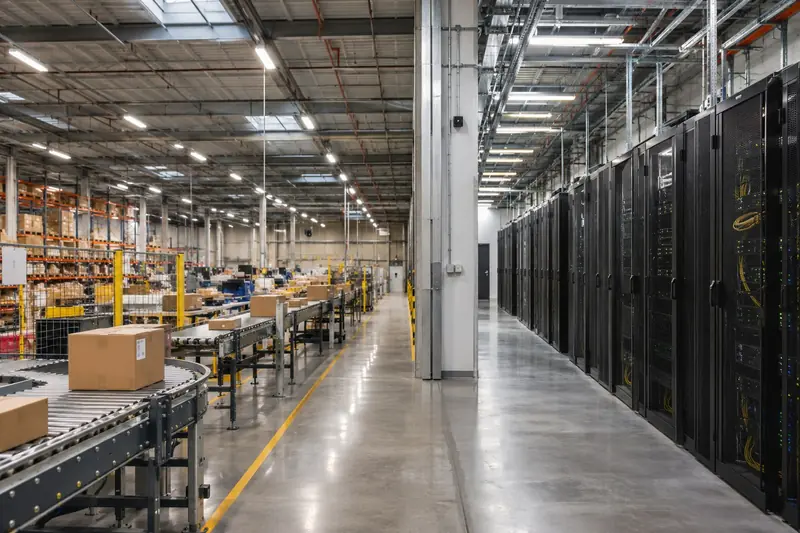
It turned stores into fulfilment centres for same-day delivery and pickup, added third-party sellers and a Walmart+ membership.
Advertising — selling ads to brands on its website and in stores — and memberships now provide a large share of profit growth.
The case shows how an incumbent can turn its legacy assets into strengths in a new competitive landscape.
The lessonLegacy assets can become advantages — if you rethink how to use them.
Key moments
Sam Walton opens the first Walmart in Arkansas.
Walmart buys Jet.com for $3.3bn.
It buys control of Flipkart.
Walmart+ membership launches.
Walmart completes the Vizio purchase.
E-commerce turns profitable.
For your seminar, paper or interview
- Q1
How did Walmart use its stores to compete online?
- Q2
Why is advertising so valuable for retailers?
- Q3
Was buying Jet.com a mistake or a stepping stone?
- Q4
What can other incumbents learn from Walmart?
- Omnichannel retail
- Resource-based view
- Retail media
- Incumbent response to disruption
Propose your solution
Pick a discussion question and set out what you would do, why, and what it would cost. Strong, well-argued answers are reviewed and published below with your first name and programme.
Published solutions
Loading published solutions…
- Nasdaq/Zacks: Q4 FY26 results ↗
- PPC Land: ad business nears $6.4bn ↗
- Marketing Dive: ads soar after Vizio ↗
- Nasdaq: ad business margin upside ↗
Figures are as reported in the cited sources. Check the source before quoting. Corrections: let us know through the solution form.