What happened
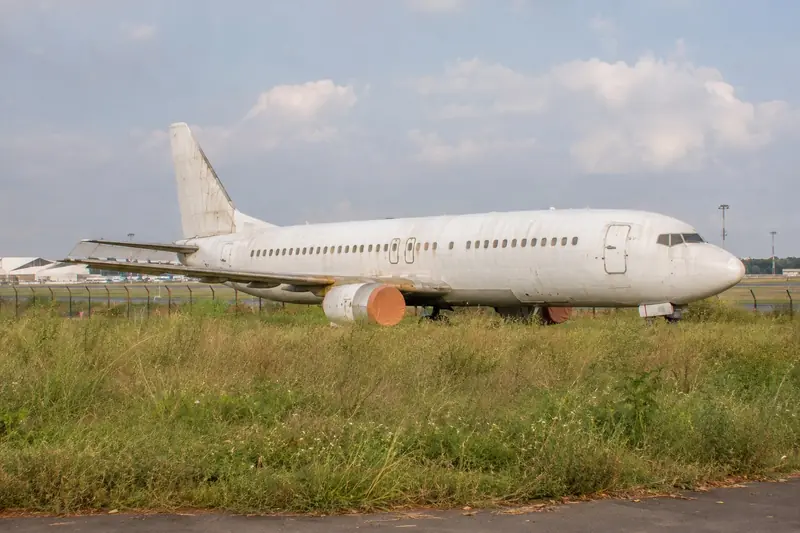
Kingfisher offered luxury service at a time when low-cost airlines were winning customers on price. Buying Air Deccan mixed two incompatible business models.
Losses mounted, and state-owned banks kept lending and restructuring, partly secured by brand value and personal guarantees. Most aircraft were leased, so there were few hard assets.
The collapse led to a long legal fight, extradition proceedings and debate about how banks assessed risk. Mallya says banks recovered more than owed; banks dispute this.
The case shows the dangers of overexpansion, weak lending discipline and confusing brand glamour with a sound business model.
The lessonGlamour is not a business model — and lenders who ignore weak fundamentals share the blame when it fails.
Key moments
Kingfisher Airlines starts flying.
It buys low-cost Air Deccan.
Banks restructure loans and take a stake.
Operations stop amid unpaid salaries.
Mallya leaves India for the UK.
Legal battles continue over how much has been recovered.
For your seminar, paper or interview
- Q1
Why did the Air Deccan acquisition backfire?
- Q2
Why did banks keep lending to Kingfisher?
- Q3
What role did governance play in the collapse?
- Q4
How should banks value intangible assets like brands?
- Overexpansion
- Credit risk assessment
- Corporate governance
- Business model coherence
Propose your solution
Pick a discussion question and set out what you would do, why, and what it would cost. Strong, well-argued answers are reviewed and published below with your first name and programme.
Published solutions
Loading published solutions…
- Scroll: banks stand to lose on Kingfisher ↗
- Business Standard/Reuters: lenders start recovery ↗
- Storyboard18: overpayment dispute ↗
- Free Press Journal: two bankrupt airlines ↗
Figures are as reported in the cited sources. Check the source before quoting. Corrections: let us know through the solution form.