What happened
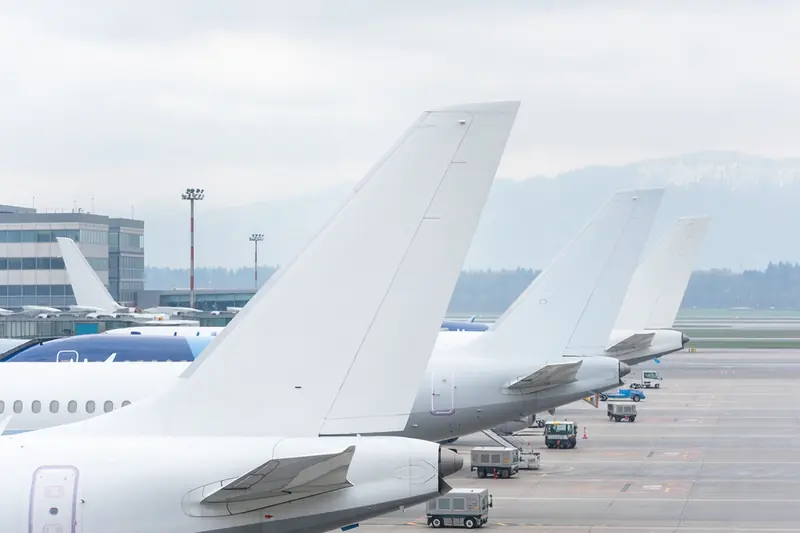
Pratt & Whitney’s new geared turbofan engines needed frequent repairs and spare engines were scarce. Go First had no other engine type to fall back on.
With half its planes grounded but costs unchanged, cash drained quickly. The airline blamed the engine maker; Pratt & Whitney said Go First had missed payments and called the claims without merit.
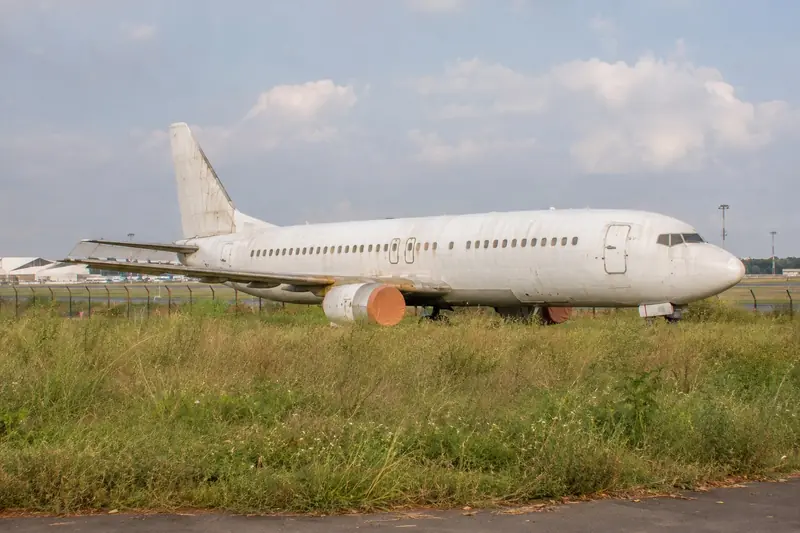
Leasing companies struggled to repossess aircraft during insolvency, raising concerns about India’s treatment of lessors. A revival attracted no viable buyer.
The case shows how dependence on one supplier can sink a company, especially in a business with thin margins.
The lessonRelying on a single critical supplier concentrates risk — when that supplier fails, the whole business can stop.
Key moments
Go Air starts flying.
It begins switching to A320neo jets with Pratt & Whitney engines.
It rebrands as Go First.
It files for insolvency and stops flying.
Lessors fight to recover planes.
The tribunal approves liquidation.
For your seminar, paper or interview
- Q1
Why was Go First so dependent on one engine type?
- Q2
Who should bear the cost when a supplier’s product fails?
- Q3
How did the insolvency affect aircraft lessors?
- Q4
How can airlines reduce supplier risk?
- Supplier concentration risk
- Operating leverage
- Contract disputes
- Insolvency process
Propose your solution
Pick a discussion question and set out what you would do, why, and what it would cost. Strong, well-argued answers are reviewed and published below with your first name and programme.
Published solutions
Loading published solutions…
- ThePrint/Reuters: Go First files for insolvency ↗
- DT Next: serial engine failure ↗
- Outlook Business: P&W says claims without merit ↗
- ch-aviation: vote on Go First’s future ↗
Figures are as reported in the cited sources. Check the source before quoting. Corrections: let us know through the solution form.