What happened
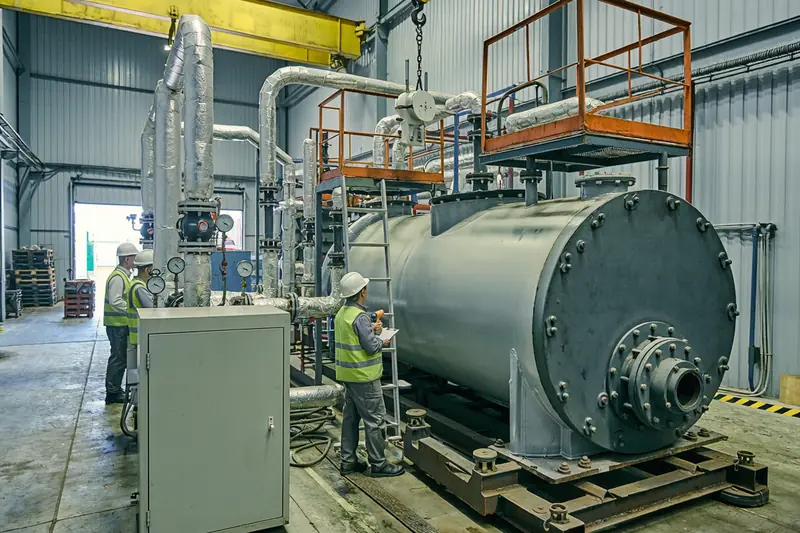
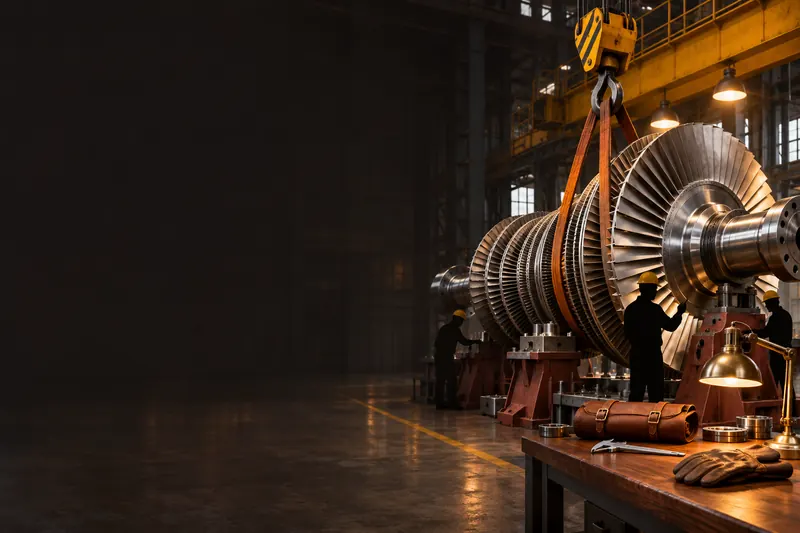
L&T is a bet on India’s infrastructure build-out: roads, railways, metros, water, power and defence. Its scale and engineering depth let it take on projects few Indian rivals can. Large international contracts, especially in energy, have become a major part of its pipeline.
The risks are typical of contractors: execution delays, cost inflation, working capital tied up in government projects and geopolitical risk on overseas work. Its IT businesses add more stable earnings.
The lessonA strong engineering firm can ride a national infrastructure boom — but margins depend on how well it executes huge order books.
Key moments
Henning Holck-Larsen and Søren Kristian Toubro found the company in Mumbai.
L&T resists a takeover attempt; employees’ trust becomes a major shareholder.
It builds metros, power plants, refineries and defence systems, and lists IT units.
Large overseas energy contracts grow; it invests in semiconductors and green hydrogen.
Record orders and order book; profit growth slows on cost pressure.
For your seminar, paper or interview
- Q1
Why is L&T’s order book so important to investors?
- Q2
What risks come with a large share of overseas orders?
- Q3
Should L&T keep its IT businesses or separate them?
- Project execution risk
- Working capital in construction
- Emerging-market growth
Propose your solution
Pick a discussion question and set out what you would do, why, and what it would cost. Strong, well-argued answers are reviewed and published below with your first name and programme.
Published solutions
Loading published solutions…
- Business Today: L&T Q4 FY26 results ↗
- Whalesbook: FY26 revenue and order inflows ↗
- Multibagg: order book and international share ↗
Figures are as reported in the cited sources. Check the source before quoting. Corrections: let us know through the solution form.