What happened
Bosch built its fortune on parts for combustion engines. The move to electric cars, slower car demand in Europe and fierce competition from Chinese suppliers have squeezed its biggest division. Electric cars need fewer of the parts Bosch has mastered.
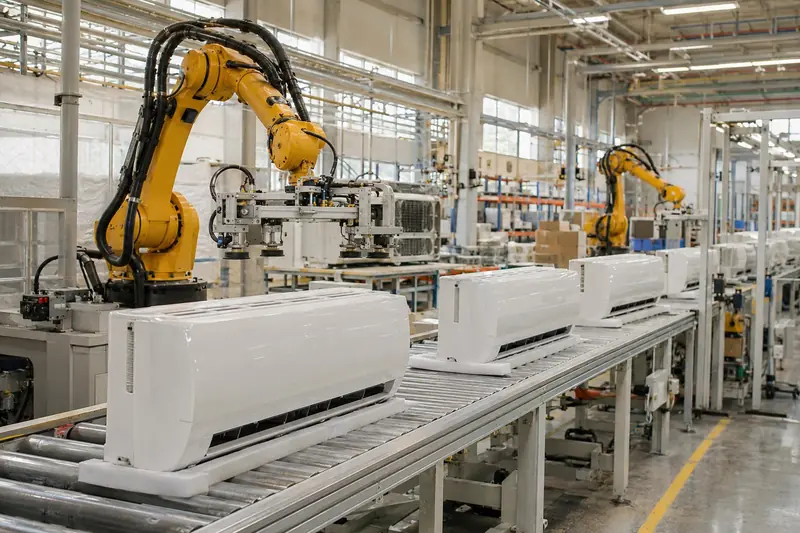
Because it is owned by a foundation, Bosch can take a long view and keep investing about €12bn a year in R&D and equipment. But it still has to cut costs. Its home-appliance and heating businesses have grown faster and help balance the slowdown in cars.
The lessonPatient ownership helps a company invest through a downturn, but it cannot protect it from a shift in technology.
Key moments
Robert Bosch opens a workshop in Stuttgart for precision mechanics and electrical engineering.
The Robert Bosch Foundation becomes the main owner; profits fund research and charity.
Bosch becomes the world’s largest automotive supplier, strong in diesel and engine parts.
It agrees to buy Johnson Controls’ heating and air-conditioning business for about $8bn.
Sales are flat, the margin falls to about 2%, and 13,000 more job cuts are announced in Mobility.
For your seminar, paper or interview
- Q1
How does foundation ownership change Bosch’s decisions?
- Q2
Why is the move to electric cars hard for traditional parts makers?
- Q3
Should Bosch reduce its dependence on the car industry further?
- Technology disruption
- Stakeholder ownership
- Cost restructuring
Propose your solution
Pick a discussion question and set out what you would do, why, and what it would cost. Strong, well-argued answers are reviewed and published below with your first name and programme.
Published solutions
Loading published solutions…
- Autocar Professional: Bosch 2025 results ↗
- Transport Topics: Bosch sees tough markets until 2027 ↗
- Australian Manufacturing: Bosch R&D spending ↗
Figures are as reported in the cited sources. Check the source before quoting. Corrections: let us know through the solution form.