What happened
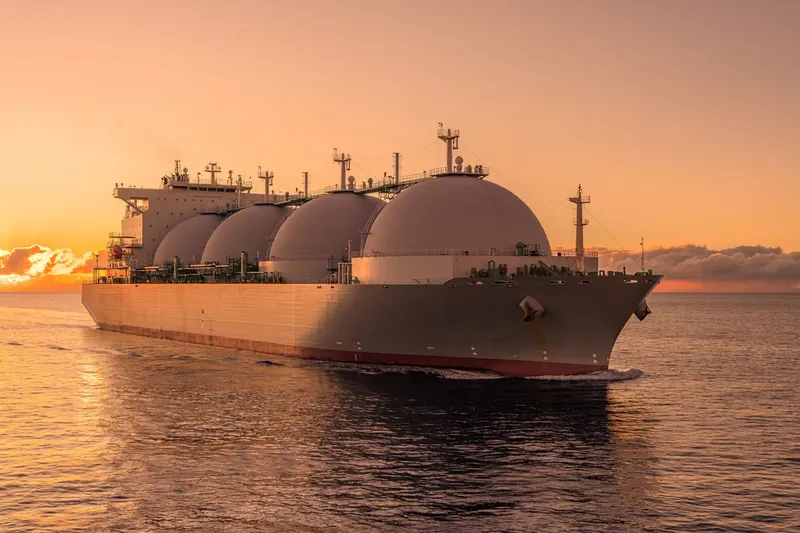
The Malampaya gas field lies about 80 kilometres off the coast of Palawan in the West Philippine Sea. Developed under Service Contract 38 by Shell, Chevron and the state-owned PNOC Exploration Corporation, it began production in 2001. A pipeline carried gas more than 500 kilometres to power plants in Batangas, which supplied a large share of electricity for Luzon, the most populated island.
The project was a major success. Shell and Chevron each held 45%, with PNOC-EC holding 10%. Over two decades, the contractors earned billions of dollars, and the government received large royalties that funded energy projects. In 2011 alone, the contractors’ share of revenue was about US$756 million. The field reduced the country’s dependence on imported oil and coal for power.
By the late 2010s, Malampaya’s reserves were declining. The service contract was due to expire in 2024, though it could be extended. The government warned that the country faced an energy crisis if replacement supplies were not developed, and companies began planning liquefied natural gas import terminals to supply gas once the field ran out.
In 2019, Chevron agreed to sell its 45% stake to Udenna Corporation, a conglomerate owned by Davao businessman Dennis Uy, for US$565 million. Uy was known as a close ally of President Rodrigo Duterte. In 2021, Shell agreed to sell its 45% operating stake to another Udenna unit for up to US$460 million, comprising US$380 million upfront and up to US$80 million in contingent payments.
The deals drew scrutiny. Senators questioned whether Udenna had the financial and technical capacity to operate a complex offshore gas field. A Senate energy committee investigation found that the Udenna unit that bought Chevron’s stake had negative working capital of about US$137 million at the time of the purchase. Critics also questioned whether the Department of Energy had properly reviewed the deals before approving them.
PNOC-EC, the minority partner, also had rights over the Shell sale. Its position, combined with the political controversy, slowed the process. Senators called for further investigation by the Ombudsman, and the deals became a symbol of concerns about cronyism in the energy sector.
In June 2022, Prime Infrastructure, the infrastructure arm of the Razon group, announced that it would acquire the Udenna unit that held the right to buy Shell’s operating stake. Enrique Razon is the billionaire behind International Container Terminal Services. The transaction gave Prime Infra control of Shell Philippines Exploration, the field’s operator.
Shell formally exited Malampaya on 1 November 2022, when control of its Philippine exploration unit passed to Prime Infra. Udenna retained the 45% stake bought from Chevron. Prime Infra said it would invest to extend the life of the field, including drilling additional wells, and argued its entry would support energy security. The government later approved an extension of the service contract beyond its original 2024 expiry.
The case raises issues that go beyond one gas field. Strategic energy assets are vital to national security, and governments must decide how closely to supervise who owns them. Due diligence on buyers is essential, especially for complex assets where operational failures could disrupt power supply.
It also shows how international oil companies are reshaping their portfolios. Shell and Chevron sold mature assets in many countries to focus on larger projects and lower-carbon strategies. Local buyers often step in, sometimes with less experience and weaker balance sheets.
For the Philippines, Malampaya’s decline highlights the need for new energy sources. The country is building LNG import terminals and expanding renewables, but power prices and supply security remain major concerns.
For students, the case is useful for analysing asset sales in extractive industries, buyer due diligence, regulatory approval processes and the link between energy security and corporate ownership.
The financial stakes for the government were large because Malampaya’s royalties flowed into a special fund meant for energy development. How the field is operated, how long it produces and how costs are recovered under the service contract all affect how much money the state receives. A buyer that underinvests or mismanages the field could reduce both energy supply and public revenue.
The sale also changed the balance of power in the Philippine energy market. Gas from Malampaya fed several large power plants, so the owner of the field gained influence over fuel supply for a big share of Luzon’s electricity. Regulators therefore had to consider not only the buyer’s finances but also competition and the risk of concentrated control over a critical fuel source.
Key moments
Malampaya begins production.
Chevron sells 45% stake to Udenna for US$565m.
Shell agrees to sell 45% to Udenna unit.
Senate investigation into Udenna’s capacity.
Prime Infra acquires Udenna unit holding Shell deal.
Shell exits; Prime Infra takes control.
Shell sale includes up to US$80m of contingent payments. Sources: Vera Files; Hart Energy; Manila Bulletin.
The trade-offs at the heart of the case
Energy security vs. private ownership
A strategic asset changed hands quickly.
Speed vs. due diligence
Buyer capacity was questioned.
Majors vs. local players
Experience versus local commitment.
For your seminar, paper or interview
- Q1
Why did Shell and Chevron sell their stakes in Malampaya?
- Q2
What should regulators check before approving buyers of strategic assets?
- Q3
Was Udenna an appropriate buyer?
- Q4
Does Prime Infra’s takeover reduce or increase risk?
- Q5
How should the Philippines replace Malampaya’s gas?
- Due diligence
- Energy security
- Natural resource governance
- Portfolio strategy of oil majors
How we would approach it
Simplifying Finance’s opinion, offered as a starting point for debate, not as fact or investment advice.
Malampaya’s sale exposed weaknesses in how the Philippines reviews buyers of strategic assets. The eventual transfer to a well-capitalised operator reduced the risk, but the process damaged trust. Clear, transparent approval standards for energy assets are essential.
Set clear criteria
Publish technical and financial tests for buyers.
Independent review
Use outside experts to assess deals.
Plan for depletion
Accelerate LNG and renewable alternatives.
Disclose ownership
Make beneficial owners of energy assets public.
What this plan gives up
Strict buyer standards may limit competition and keep assets with foreign majors.
The strongest counter-argument
Some argue local ownership of energy assets is a strategic advantage and that Udenna’s purchase was approved properly.
Metrics to watch
- Malampaya production levels
- LNG import capacity
- Power prices in Luzon
- Regulatory approvals of energy deals
- Senate and Ombudsman actions
Propose your solution
Pick a discussion question and set out what you would do, why, and what it would cost. Strong, well-argued answers are reviewed and published below with your first name and programme.
Published solutions
Loading published solutions…
- Vera Files: Four things to know about Malampaya ↗
- Manila Bulletin: Shell formally exits Malampaya ↗
- Hart Energy: Shell exits Philippine gas field in $460 million deal ↗
- Inquirer: Dennis Uy cedes Malampaya stake to Razon firm ↗
Figures are as reported by the companies or cited outlets as of 22 November 2026. Check the source before quoting. Corrections: let us know through the solution form.