The idea
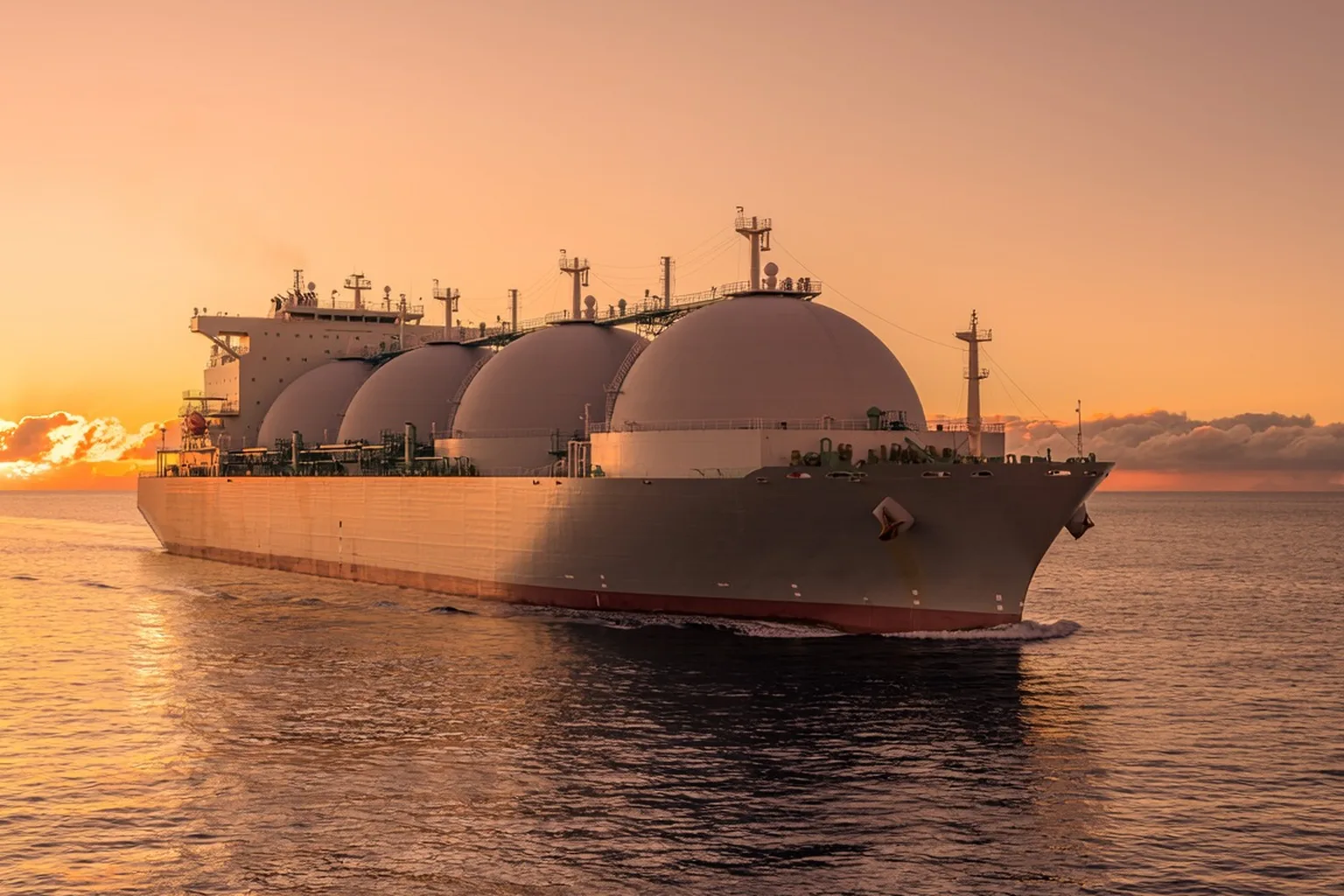
Natural gas is hard to move. By pipeline it is cheap but fixed in place. Cooling gas to about −162°C turns it into a liquid, LNG, occupying about 1/600th of its volume, which can be shipped across oceans in specialised tankers and turned back into gas at import terminals.
LNG connected regional gas markets that once had separate prices. Qatar, the United States and Australia are the largest exporters; Japan, China, South Korea and Europe are major buyers.
The three main gas prices
| Benchmark | Region | What drives it |
|---|---|---|
| Henry Hub | United States | Huge shale supply, storage levels and weather |
| TTF | Europe (Netherlands hub) | LNG imports, Norwegian supply, storage targets |
| JKM | North-east Asia | Spot LNG cargoes into Japan, Korea, China and Taiwan |
The 2022 shock
Before 2022, much of Europe's gas came by pipeline from Russia.
When those flows collapsed, Europe bid for LNG cargoes against Asia.
European gas prices briefly rose more than tenfold compared with a few years earlier.
Prices later fell as demand dropped, storage filled and new LNG supply arrived, showing how quickly gas can swing.
What moves gas prices
Weather
Cold winters and hot summers raise heating and cooling demand.
Storage
Europe fills storage in summer for winter; low levels raise risk.
Outages
A problem at one large export plant can tighten global supply.
New projects
Large expansions in Qatar and the US are adding supply through the late 2020s.
The Gulf connection
Qatar
One of the world's largest LNG exporters, expanding its North Field.
UAE
ADNOC Gas exports LNG from Das Island and is investing in new projects.
Long-term contracts
Much LNG is sold on multi-year contracts, often linked to oil prices.
Energy transition
Gas is used to replace coal, though it still emits CO₂.
Oil-linked and hub-linked contracts
Much Asian LNG is sold on long-term contracts priced as a percentage of oil, often around 10% to 13% of the Brent price per MMBtu. Other cargoes are priced against gas hubs such as Henry Hub or TTF, or sold on the spot market.
When spot gas prices spike, buyers on oil-linked contracts can pay much less than the market; when spot prices collapse, the same contracts look expensive. This mix of pricing methods smooths costs for some buyers and adds volatility for others.
A realistic scenario
Rashid works for a UAE company that imports goods from Europe. In 2022 he notices sharp price increases from European suppliers, who explain that their energy bills have multiplied. Gas prices in Europe had soared as the region scrambled for LNG.
He starts following European gas prices as an early indicator of supplier costs and negotiates longer-term contracts when gas prices are low. Energy markets, he realises, reach well beyond fuel bills.
Questions to ask yourself
Which regional gas price matters for my question? How full is storage relative to normal? Is a cold winter or hot summer forecast? Are new LNG projects coming online soon? How dependent is a region on a single supplier?
Official sources to check
The International Energy Agency (iea.org) publishes quarterly gas market reports. The U.S. EIA (eia.gov) publishes Henry Hub prices and weekly US storage data. Gas Infrastructure Europe (agsi.gie.eu) shows daily European storage levels. QatarEnergy and ADNOC Gas publish information on their LNG operations.
Common mistakes
Treating gas like oil
Gas prices are regional and far more volatile.
Ignoring storage
Low storage magnifies every weather shock.
Forgetting contracts
Many buyers pay long-term contract prices, not spot.
Chasing spikes
Gas spikes often collapse as demand adjusts.
Your checklist
- I know gas prices differ by region.
- I watch storage levels and weather forecasts.
- I understand LNG links regional markets.
- I know gas can be far more volatile than oil.
The short version
LNG lets natural gas move by sea, linking regional markets with different prices. Weather, storage and new supply drive large swings. Qatar, the US and Australia lead exports, and the Gulf remains central to global gas supply.
Illustration: Henry Hub at USD 3 per MMBtu, European TTF at USD 11 and Asian JKM at USD 12. Liquefaction, shipping and regasification might cost about USD 4 to 6, leaving a margin for US exporters.
Gas prices are regional, linked by LNG ships; weather, storage and shipping capacity drive large swings.
Primary educational reference
International Energy Agency · Gas ↗Reviewed November 20, 2026. Examples are hypothetical illustrations in AED or USD. Educational content, not personalised investment, legal or tax advice.