What happened
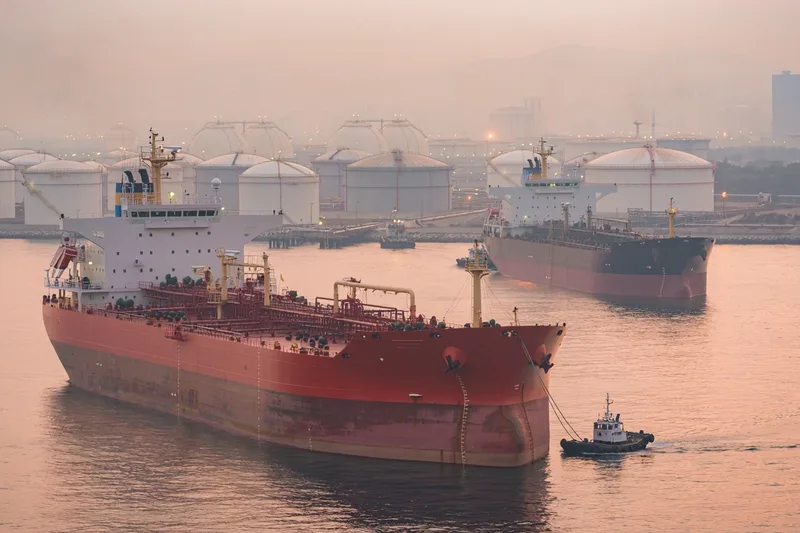
Pacific International Lines, or PIL, was founded in Singapore in 1967 and grew into Southeast Asia’s largest container shipping company. Unlike Neptune Orient Lines, which was state-owned, PIL was controlled by the Teo family. It focused on routes within Asia and between Asia, Africa, the Middle East and Latin America, often serving markets that larger global carriers neglected.
Like other mid-sized container lines, PIL struggled in the years after the 2008 financial crisis. Overcapacity kept freight rates low, while the largest carriers used giant ships to cut costs. PIL also expanded its fleet and took on long-term charter commitments, which added to its fixed costs. It borrowed heavily from banks and issued bonds to fund its operations.
By June 2019 PIL’s total debt, including its obligations under ship charters, was about US$3.86 billion, of which about US$1.3 billion was due within a year. It had already received loans in 2018 from SeaTown Holdings, an investment firm linked to Temasek, but its losses continued. The company sold assets, including container terminal stakes and ships, to raise cash.
In early 2020 PIL warned that it might default on several loans during the year, including a US$60 million bond due in November paying 8.5% interest. The Covid-19 pandemic then caused a sharp drop in trade in the first half of 2020, adding to its problems. PIL needed new money quickly and a way to reduce its debt burden, or it faced liquidation.
In May 2020 PIL announced a six-month exclusive agreement with Heliconia Capital Management, a wholly owned unit of Temasek, about a potential investment. Reports at the time said Heliconia was interested partly to help secure logistics for food and other supplies to Singapore during the pandemic. Heliconia provided emergency funding of about US$112 million to keep PIL running while a full plan was prepared.
The rescue plan combined fresh money with a restructuring of existing debt. Heliconia would provide US$600 million: a US$200 million investment in convertible preference shares in PIL’s holding company, a US$200 million term loan and a US$200 million revolving credit facility. In return, Heliconia would take a majority stake, and the Teo family would lose control of the company they had built.
PIL’s creditors had to agree. The company used a scheme of arrangement, a court-supervised process in which creditors vote on a plan, for about US$1.1 billion of its debts, alongside agreements with other lenders and lessors. Altogether about US$3.3 billion of debt was restructured. PIL warned that if creditors rejected the plan it would have to be liquidated, which would leave them with far less.
Creditors voted in favour in early 2021, and the restructuring was completed on 31 March 2021. PIL was allowed to issue about US$155 million of option securities and to cancel about US$45 million of bonds that had been due in 2020. Lawyers involved described it as a swift and quiet restructuring, completed in less than a year, which was unusual for such a complex case.
Then the shipping market turned dramatically. As economies reopened, demand for goods surged while ports and supply chains were congested. Container freight rates rose to four times their historical average and higher. Shipping lines that had been losing money for years suddenly earned record profits. The industry was forecast to make around US$80 billion in 2021.
PIL was a major beneficiary. It returned to profit and, according to Lloyd’s List, turned a 2020 deficit of about US$44.7 million into earnings of about US$2.6 billion in 2021. It began expanding its fleet again for the first time since its troubles began, and said it would complete its US$1 billion debt workout early, repaying creditors ahead of schedule by the end of 2021.
The rescue raised interesting questions. Creditors who accepted the restructuring had agreed to take losses or longer repayment terms just months before the company became highly profitable. Heliconia, as the new majority owner, captured much of the upside. The Teo family lost control at the worst possible moment for them. All parties had made rational decisions given what they knew, but the outcome looked very different with hindsight.
The case illustrates the extreme cyclicality of container shipping, the value of patient capital in a crisis and the way debt restructuring decisions can create winners and losers when conditions change quickly. It also shows how sovereign-linked investors in Singapore sometimes step in to protect strategically important businesses.
Key moments
PIL founded in Singapore.
Receives loans from Temasek-linked SeaTown.
Total debt reaches about US$3.86bn.
Exclusivity agreement with Heliconia.
US$600m rescue and debt restructuring completed.
Freight boom; earnings of about US$2.6bn.
Debt includes charter obligations. Sources: Mundo Marítimo; SMU CCLA (WongPartnership); Maritime Executive; Lloyd’s List.
The trade-offs at the heart of the case
Family control vs. survival
The founders lost control to save the company.
Creditor losses vs. future upside
Lenders gave ground just before a boom.
Public money vs. private benefit
A state-linked investor rescued a private firm.
For your seminar, paper or interview
- Q1
Why did PIL get into financial trouble before Covid-19?
- Q2
Was Heliconia’s US$600 million rescue a good investment at the time?
- Q3
How does a scheme of arrangement work, and why did creditors agree?
- Q4
Who gained and who lost from the timing of the restructuring?
- Q5
Should state-linked investors rescue private companies in strategic industries?
- Debt restructuring
- Distressed investing
- Shipping cycles
- Strategic state investment
How we would approach it
Simplifying Finance’s opinion, offered as a starting point for debate, not as fact or investment advice.
The rescue was sensible given the information in 2020: liquidation would have destroyed value for everyone and disrupted supply chains. The boom that followed was largely luck. The lasting lesson is that highly leveraged shipping lines must build buffers in good years, because the cycle will turn again.
Cut leverage now
Use boom-era profits to reduce debt and charter commitments.
Keep liquidity
Hold enough cash to survive several bad years.
Focus on niches
Stay strong on routes the giants underserve.
Plan exits
Give Heliconia a clear path to recover its investment.
What this plan gives up
Holding large cash reserves and paying down debt means fewer new ships and slower growth when rates are high.
The strongest counter-argument
Some argue creditors were forced to accept losses too early and that the restructuring transferred value from them to the new owner.
Metrics to watch
- Container freight rates
- PIL fleet and orderbook
- Net debt
- Heliconia’s ownership plans
- Industry overcapacity
Propose your solution
Pick a discussion question and set out what you would do, why, and what it would cost. Strong, well-argued answers are reviewed and published below with your first name and programme.
Published solutions
Loading published solutions…
- Maritime Executive: PIL completes $600M financial restructuring ↗
- SMU CCLA: The swift and silent restructuring of PIL ↗
- Lloyd’s List: PIL returns to profit after debt restructuring ↗
- gCaptain: Temasek unit in talks for at least $400 million ship deal ↗
Figures are as reported by the companies or cited outlets as of 22 November 2026. Check the source before quoting. Corrections: let us know through the solution form.