What happened
On 25 September 2024 the IMF board approved a 37-month Extended Fund Facility arrangement for Pakistan. Total access was SDR 5.32 billion, about US$7 billion at approval. The decision allowed an immediate drawing of SDR 760 million, around US$1 billion. The extended programme followed the short stand-by phase and put sustained fiscal and economic reforms at the centre of the financing discussion.
A government can improve its recorded deficit by collecting recurring revenue, deferring bills or selling an asset. These have different consequences for next year’s budget. A one-off receipt can buy time to install a durable tax process. Treating that receipt as a repeating source of revenue, however, can leave a new gap as soon as the budget year turns.
On 25 September 2024 the IMF Executive Board approved a 37-month Extended Fund Facility for Pakistan of SDR 5.32 billion, about US$7 billion or 262 percent of quota, with an immediate disbursement of about US$1 billion. Inflation had fallen to 9.6 percent in August 2024 from a peak of 38 percent, and the central bank had begun cutting its policy rate.
The programme’s centrepiece is fiscal. Pakistan collects among the lowest taxes relative to GDP of comparable economies, so the programme sought to widen the tax base, especially to retail, property and agricultural income, rather than load more on existing taxpayers. Provinces committed to budget surpluses of about 1 percent of GDP, and a National Fiscal Pact was to shift some spending responsibilities from the federal government to provinces in line with the constitution.
Reviews have continued. The first was completed in May 2025, alongside approval of a separate climate-focused facility, and the third in May 2026, when the IMF noted faster growth, contained inflation and a broadly balanced current account. Reserves rose from US$9.4 billion at the end of FY2024.
Key moments
Staff-level agreement reached
IMF Board approves the EFF
First review completed; RSF approved
Third EFF review completed
Reserves rose further by end-FY25. Sources: IMF press releases and country reports.
The trade-offs at the heart of the case
Core tensions
Increasing collections quickly may favour taxpayers who are already registered and easy to reach. Broadening compliance can be more durable but requires administrative time and political support. An apparently strong quarterly receipt figure can therefore signal either progress or a greater burden on a narrow base. The difference matters for firms deciding whether to expand formally.
The difference between a tax measure and a collection
A tax measure in a budget document may produce receipts after several filing periods. Capacity at tax offices, dispute procedures and taxpayers’ ability to keep records influence timing. Treating estimated annual yield as cash available from the first month can force the government into costly short-term borrowing. Conversely, judging reform too soon can encourage a retreat to easy one-off collections from a narrow base. Link each measure to its first realistic cash date. A distributional appraisal also needs actual payment patterns. A firm may pass part of a tax change to customers, bear it in margins or negotiate lower supplier prices. The formal taxpayer and the party bearing the cost can therefore differ. Temporary compensation promised to households may arrive on another budget line and another timetable. Compare implementation across those calendars. A fiscal programme can achieve its aggregate annual target while leaving a vulnerable group with an unaffordable gap during one quarter.
The tax measure that survives the next budget
The business files an initial return after a publicity campaign, pays an unusually large amount on arrears and files much smaller returns thereafter. Counting the first payment as a permanent annual gain would overstate the room available for salaries, transfers or debt service. A proper fiscal forecast separates collection of old liabilities, new recurring receipts and the cost of administering the change. The burden on productive activity also belongs in the comparison. A less complex filing process can reduce the time a small business spends complying even if its tax payment rises. Conversely, an office can improve its own collections by demanding advance payments that later have to be refunded. Follow each new filing cohort through the next ordinary payment cycle and check refunds, arrears and staff time. This gives the finance ministry a way to identify reforms that buy a durable improvement during a multi-year programme and measures that simply move a cash receipt to an earlier date.
Quick revenue versus durable revenue
Raising taxes on those already paying, or one-off measures, can hit annual targets quickly. Broadening the base to traders, landowners and property is harder politically but produces lasting revenue. The programme’s success depends on the second kind.
Federal and provincial roles
Pakistan’s provinces receive a large share of federal revenue but have limited incentives to raise their own taxes. Asking them to run surpluses and take on spending responsibilities tests the federal bargain.
For your seminar, paper or interview
- Q1
How would a one-time receipt affect a three-year expenditure promise?
- Q2
Which evidence would distinguish a broader tax base from faster collection from existing filers?
- Q3
How much of a tax office’s first-year collection improvement could support recurring expenditure?
- Fiscal consolidation
- Tax base broadening
- Programme conditionality
- Provincial finances
How we would approach it
Simplifying Finance’s opinion, offered as a starting point for debate, not as fact or investment advice.
Set out a bridge between the reported fiscal outcome and the recurring outcome after timing effects. Test progress against collections, arrears and transfers to vulnerable households on a common calendar. Give an implementation team credit for a new taxpayer who continues to file through a full cycle, alongside the cash collected during the first quarter.
Widen the base
Bring untaxed sectors into the net.
Share responsibility
Align provincial spending with provincial revenue.
Protect social spending
Keep cash transfers for vulnerable households.
What this plan gives up
Durable tax reform takes longer than quick measures but avoids repeated crises.
The strongest counter-argument
Tight budgets during a long programme may limit public investment needed for growth, making stabilisation harder to sustain.
Metrics to watch
- Tax-to-GDP ratio
- Number of registered taxpayers
Propose your solution
Pick a discussion question and set out what you would do, why, and what it would cost. Strong, well-argued answers are reviewed and published below with your first name and programme.
Published solutions
Loading published solutions…
- IMF: September 2024 board decision ↗
- IMF: July 2024 staff-level agreement ↗
- IMF: 37-month Extended Arrangement approved ↗
- IMF: staff-level agreement ↗
- IMF: country report on the EFF request ↗
- IMF: third review ↗
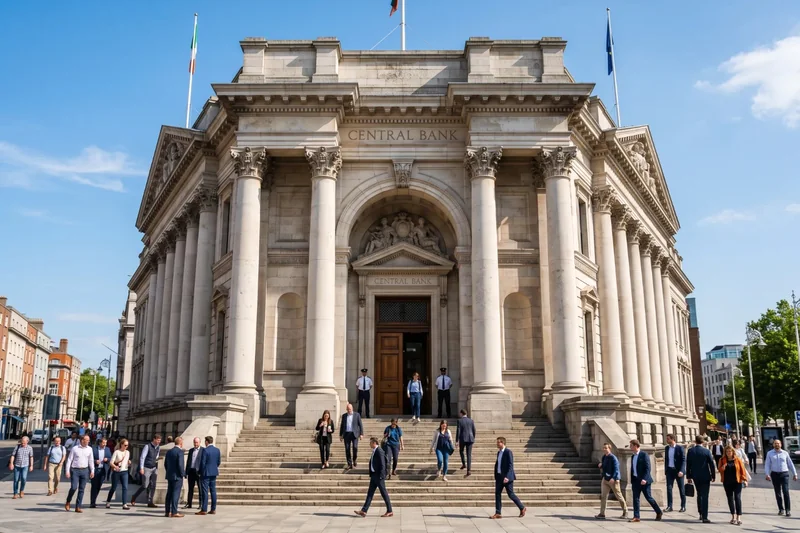
- Image: AI-generated editorial illustration · Simplifying Finance
Figures are as reported by the companies or cited outlets as of 22 November 2026. Check the source before quoting. Corrections: let us know through the solution form.