What happened
A pilot fuel plant can be successful even if the first litre costs too much to sell at a filling station. Its first product also carries information about operating hours, equipment failures, feedstocks and what a customer will actually pay. In 2022 Porsche invested US$75 million in HIF Global. In December that year the Haru Oni demonstration plant in southern Chile opened. The investment was in the company. Dividing it by the demonstration plant’s annual capacity would confuse the price of an equity interest with the cost of a litre.
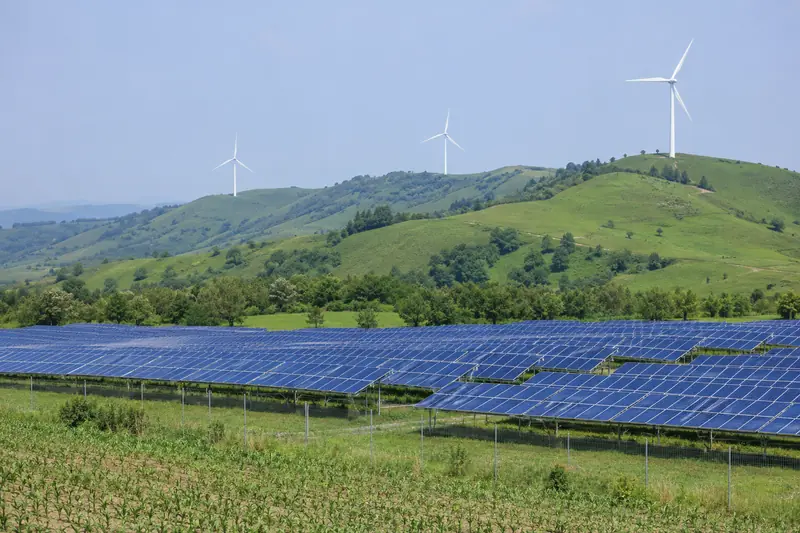
In 2022 Porsche invested US$75 million in HIF Global, a company developing plants to make synthetic fuels from renewable electricity, water and carbon dioxide. In December 2022 the Haru Oni pilot plant opened near Punta Arenas in southern Chile, a region with strong and steady winds.
The pilot uses a wind turbine to power an electrolyser that splits water into hydrogen, which is then combined with carbon dioxide captured from the air to make methanol and, from that, synthetic petrol. Porsche planned to use the fuel initially in motorsport and at its brand experience centres.
HIF Global has said it aims to build larger commercial plants in Chile, the United States and Australia. Porsche has described e-fuels as a complement to its electric strategy, particularly for the millions of existing combustion-engine cars, including classic Porsches still on the road.
Pilot investments in new energy technologies are common across industries. The finance lesson is that a pilot is valued mostly for what it teaches. Investors should judge it by whether it answers the key questions on cost, reliability and scale, rather than by its output in the first years.
The project also gives Porsche experience in a new kind of supply chain, linking wind farms, electrolysers and fuel synthesis. Even if e-fuels remain a niche, the knowledge may help the company understand hydrogen and renewable energy markets that will matter to its suppliers and factories.
Key moments
Porsche invests US$75 million in HIF Global.
Haru Oni pilot plant opens in Chile.
Fuel used in motorsport and brand experience centres.
Source: HIF Global and Porsche AG, Haru Oni pilot plant.
The trade-offs at the heart of the case
What leaves the plant
HIF describes an operation near Punta Arenas that uses wind power and electrolysis to produce hydrogen. The plant combines hydrogen with carbon dioxide and uses further processing to make synthetic fuels including petrol. HIF identifies a biogenic source for the carbon dioxide used at the site and describes direct air capture as a future installation in its facility account. An analysis of the operating plant should follow the inputs it actually uses. A technology that could supply a future facility does not automatically describe this one. HIF lists a 3.4 MW wind turbine, a 1.2 MW electrolyser and 130,000 litres a year of e-gasoline production capacity. The power ratings describe different pieces of equipment and cannot be added to get a meaningful measure of fuel output. Annual capacity is equally distinct from litres actually produced and sold in a given year. A lender deciding whether a larger plant can make its debt payments needs metered production and downtime, as well as signed purchase terms and a timetable for ramp-up. The manufacturer’s interest is understandable. A liquid fuel compatible with existing combustion technology could let owners continue using vehicles they value while changing the source of some of the energy they consume. A fuel producer seeks enough reliable demand to justify specialised plant. The two may agree on a useful demonstration even if they hold different views about eventual mass demand. A small, visible use in a racing series can be valuable to a carmaker at a price few ordinary motorists would pay at a pump.
Why Porsche and the plant operator may draw different conclusions
A supplier that can sell across several transport industries might welcome a carmaker as an early buyer while planning for other customers to provide commercial scale. Porsche may prefer to retain a relatively small option on future fuel availability while committing most of its development budget elsewhere. Looking only at the plant’s economics would miss the option. Giving the option an unlimited strategic value would miss the finite price Porsche should rationally pay for it. Consider also who has the right to buy the next litre if another user offers a higher price. An equity stake may expose Porsche to the producer’s profit, but access to product on a specified date and at an agreed specification generally requires commercial arrangements. A portfolio manager evaluating the investment and a racing organiser planning a season therefore need different evidence. One looks at future cash distributions and exit value. The other needs a dependable timetable and a price it can build into the event budget. A sensible next-stage submission would show actual annual litres and input consumption, verified emissions performance and customer contracts at several price levels. It would explain separately what the manufacturer earns as an investor and what it gains as a fuel user. If the business case requires a public incentive, show its expected duration and the economics after it ends. The question is whether Haru Oni has reduced a specific uncertainty enough to justify the next investment, rather than whether anyone has succeeded in filling a car with the first batch.
For your seminar, paper or interview
- Q1
Which measurements could change a scale-up decision?
- Q2
Who would pay the next litre’s premium?
- Q3
Where does an emissions comparison begin and end?
- Strategic investment
- Pilot projects
- Technology options
- Decarbonisation
How we would approach it
Simplifying Finance’s opinion, offered as a starting point for debate, not as fact or investment advice.
We think Porsche’s US$75 million investment is best seen as buying knowledge and an option, not cheap fuel. The pilot plant shows whether synthetic petrol can be made reliably from wind power and captured carbon; the real decision comes later, when costs at commercial scale are clearer.
Publish learning milestones
Track plant uptime, output and cost per litre.
Use fuel where it matters most
Prioritise motorsport and classic cars, where alternatives are limited.
Keep the stake flexible
Preserve the option to expand or step back as costs become clear.
What this plan gives up
Money spent on e-fuels is money not spent on battery-electric models, Porsche’s main path to lower emissions.
The strongest counter-argument
Many experts argue e-fuels will remain too expensive for mass use, so the investment may never pay off beyond niche applications.
Metrics to watch
- Cost per litre at the pilot
- Plans for commercial-scale plants
Propose your solution
Pick a discussion question and set out what you would do, why, and what it would cost. Strong, well-argued answers are reviewed and published below with your first name and programme.
Published solutions
Loading published solutions…
- Porsche on its equity investment in HIF Global ↗
- HIF Global, Haru Oni facility and operating characteristics ↗
- Porsche reports the December 2022 opening ↗
- Porsche Newsroom: Investment in HIF Global ↗
- HIF Global: Haru Oni ↗
- Photo: A wind turbine at a Punta Arenas test centre in 1998, before Haru Oni was built by Paul Gipe, CC BY-SA 4.0 (cropped and resized) ↗
Figures are as reported by the companies or cited outlets as of 22 November 2026. Check the source before quoting. Corrections: let us know through the solution form.