What happened
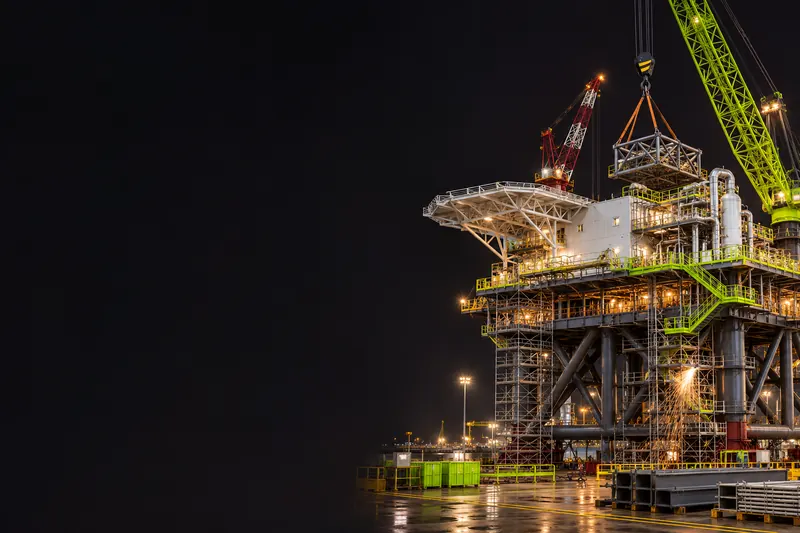
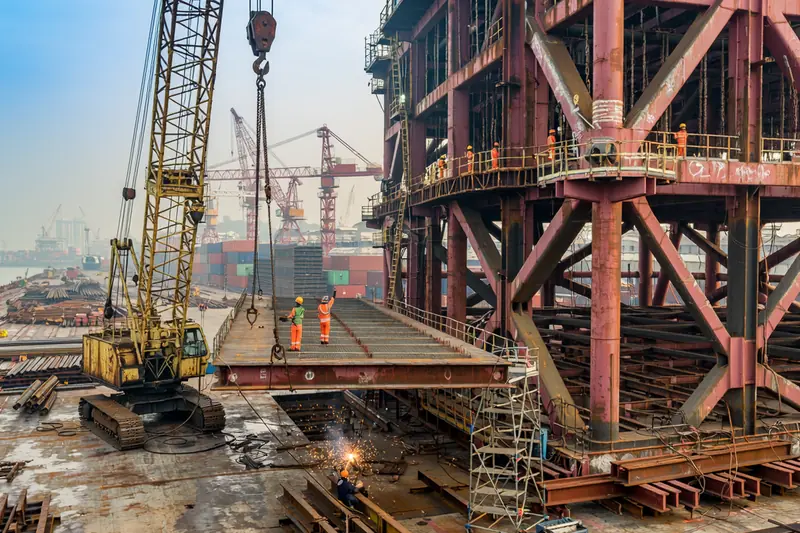
Offshore contractors win big, complex projects often on fixed prices. When oil prices fell in 2014–2016 and costs rose after the pandemic, Saipem lost money and needed shareholders, led by ENI and the Italian state investor CDP, to rescue it.
Higher energy investment has revived orders. The merger with Subsea7 aims to combine fleets and skills and win larger projects, including offshore wind. Integration and fixed-price risk remain the key challenges.
The lessonIn project businesses, a few bad contracts can wipe out years of profit; scale and better contracts are the defence.
Key moments
Saipem is created as part of the Italian state energy group ENI.
A profit warning and a bribery investigation in Algeria hit the shares.
Saipem needs two large capital raises after losses on fixed-price projects.
It signs a binding agreement to merge with Subsea7 to form Saipem7.
The merger is expected to close, with listings in Milan and Oslo.
For your seminar, paper or interview
- Q1
Why are fixed-price contracts risky for Saipem?
- Q2
What does the merger with Subsea7 add?
- Q3
How do energy prices affect offshore contractors?
- Fixed-price contract risk
- Mergers and synergies
- Cyclical industries
Propose your solution
Pick a discussion question and set out what you would do, why, and what it would cost. Strong, well-argued answers are reviewed and published below with your first name and programme.
Published solutions
Loading published solutions…
- Offshore magazine: Saipem and Subsea7 merger terms ↗
- gCaptain: $23bn merger deal ↗
- Offshore Technology: merger agreement sealed ↗
Figures are as reported in the cited sources. Check the source before quoting. Corrections: let us know through the solution form.