What happened
The 2017 merger combined two very different businesses and cultures. Investors doubted the logic, and the company split four years later.
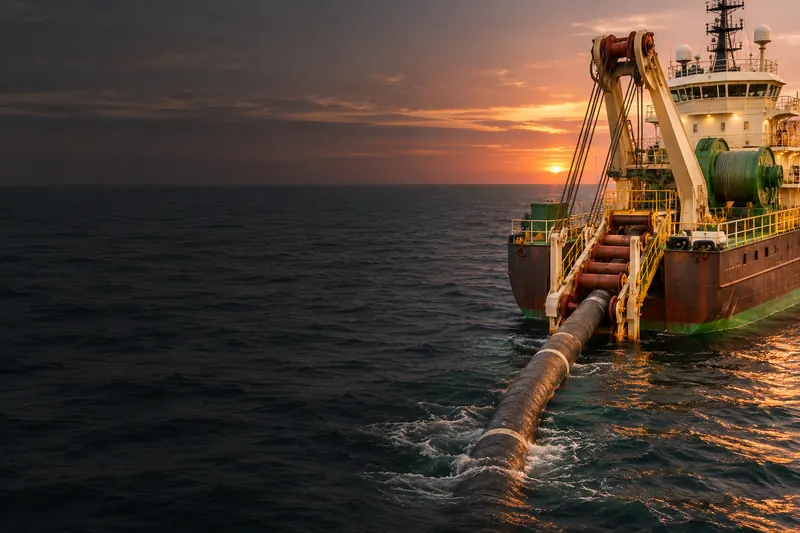
The remaining subsea business sells standardised equipment and integrated packages (iEPCI) that combine design, supply and installation. Many contracts are now direct awards from repeat clients such as Petrobras, which lowers risk and raises margins.
The lessonA merger that fails can still leave behind a stronger, more focused company — if leaders are willing to reverse course.
Key moments
Technip and FMC Technologies merge in a “merger of equals”.
Accounting errors, culture clashes and weak returns frustrate investors.
The onshore and offshore engineering arm is spun off as Technip Energies.
TechnipFMC wins over $30bn of subsea orders in three years.
Free cash flow doubles to $1.4bn.
For your seminar, paper or interview
- Q1
Why did the Technip–FMC merger struggle?
- Q2
How do direct awards change a contractor’s risk?
- Q3
How exposed is TechnipFMC to oil prices?
- Merger integration
- Spin-offs
- Integrated offerings
Propose your solution
Pick a discussion question and set out what you would do, why, and what it would cost. Strong, well-argued answers are reviewed and published below with your first name and programme.
Published solutions
Loading published solutions…
- Business Wire: TechnipFMC Q4 2025 results ↗
- TechnipFMC: Q4 2025 earnings release ↗
- Pulse / Motley Fool: Q4 2025 call ↗
Figures are as reported in the cited sources. Check the source before quoting. Corrections: let us know through the solution form.