What happened
Shopify charges merchants subscription fees and takes a cut of payments. It grows when its merchants grow, aligning incentives.
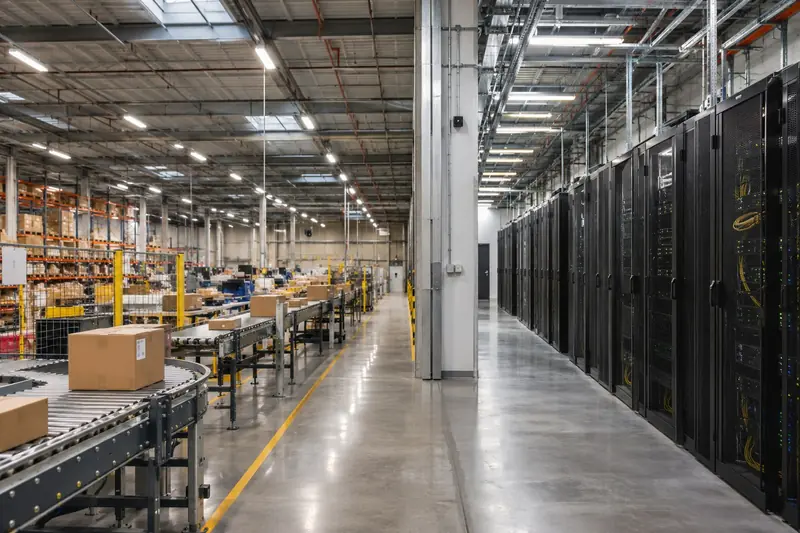
During the pandemic boom it bet that online shopping would keep accelerating and built warehouses to rival Amazon. When growth slowed, losses mounted.
Exiting logistics and staying focused on software restored profits. New growth comes from larger brands, B2B, international and AI tools.
The case shows the value of focus and of being willing to reverse a costly strategic bet.
The lessonKnowing what not to do — and reversing a bad bet quickly — can be as important as bold moves.
Key moments
Tobi Lütke starts selling snowboards online and builds his own software.
Shopify launches as a platform.
Shopify lists in New York and Toronto.
A post-pandemic slump; logistics spending causes losses.
Shopify sells its logistics arm to Flexport and cuts 20% of staff.
Strong growth and record cash flow.
For your seminar, paper or interview
- Q1
How does Shopify make money?
- Q2
Why is helping merchants different from Amazon’s model?
- Q3
Why was the logistics bet a mistake?
- Q4
How might AI change online shopping?
- Platform business models
- Strategic focus
- Aligned incentives
- Operating leverage
Propose your solution
Pick a discussion question and set out what you would do, why, and what it would cost. Strong, well-argued answers are reviewed and published below with your first name and programme.
Published solutions
Loading published solutions…
- Newsfile: Shopify 2025 results ↗
- SaaStr: growing 30% at $11.6bn ↗
- Barchart: 2025 highlights ↗
- Newsfile: Q4 2024 results ↗
Figures are as reported in the cited sources. Check the source before quoting. Corrections: let us know through the solution form.