What happened
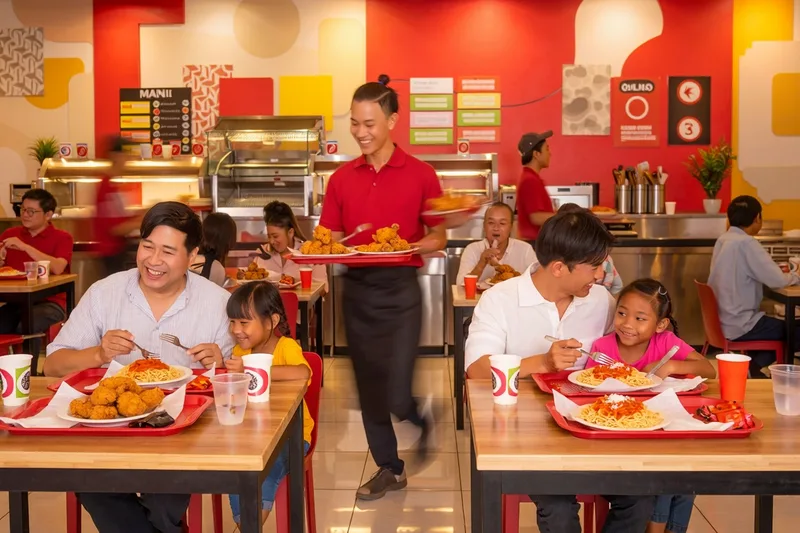
Henry Sy, who arrived in the Philippines from China as a boy, opened a small shoe store called ShoeMart in Manila in 1958. It grew into department stores and, from 1985, giant SM malls that became the centre of urban life for millions of Filipinos, combining shopping, cinemas, food, churches and government services.
In the 1970s and 1980s the Sy family bought into banking, eventually building BDO Unibank through mergers and acquisitions, including Equitable PCI Bank. BDO became the country’s largest bank by assets, loans and deposits. The group also holds China Banking Corporation.
The SM ecosystem links these businesses. Mall tenants and shoppers become bank customers; BDO branches sit inside malls; property developer SM Prime builds homes and offices whose buyers take BDO mortgages; retail stores accept BDO cards. This creates cross-selling opportunities and a huge flow of customers and data.
In 2025 SM Investments, the holding company, reported net income up 10% to ₱90.5 billion. Banking contributed 49% of consolidated profit, property 27% and retail 18%. BDO posted a record ₱87.2 billion profit, its fifth consecutive record year, with a return on equity of 14.4%, loans up 13% to ₱3.7 trillion and a low non-performing loan ratio of 1.68%. Retail profit was nearly flat as consumer spending slowed.
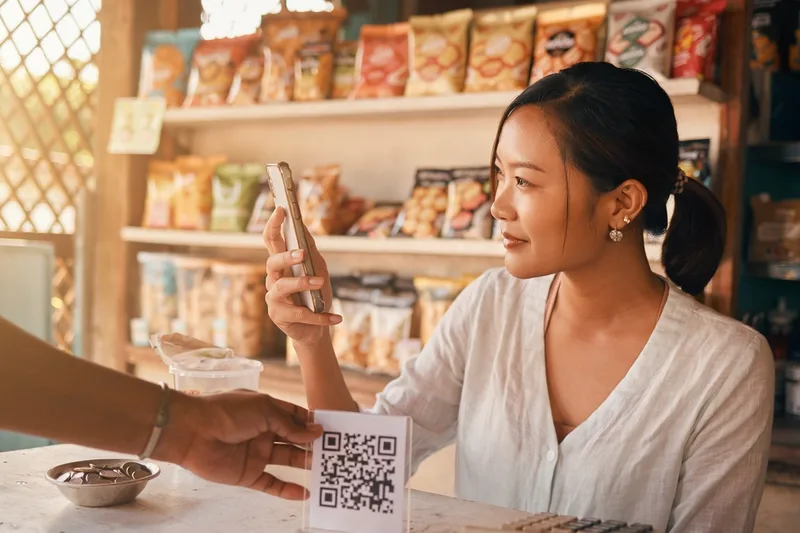
The group faces competition from e-commerce, digital banks and fintechs such as GCash, as well as questions about concentration of economic power in a few family conglomerates. The case allows students to analyse ecosystem strategies and the role of family business groups in emerging markets.
Bank profitability depends on a few drivers. The net interest margin is the difference between what a bank earns on loans and pays on deposits. BDO’s current and savings account ratio of 68% means much of its funding comes from low-cost deposits, which supports a healthy margin. Fees from cards, remittances, insurance and investments add further income. Credit quality determines how much must be set aside for bad loans; BDO’s low non-performing loan ratio of 1.68% keeps provisions modest.
The group’s structure also matters. SM Investments is a holding company, so its share price often trades at a discount to the combined value of the listed companies it owns, a pattern known as the conglomerate or holding company discount. Investors may prefer to buy BDO or SM Prime directly. Management argues the holding structure enables capital allocation across the group and long-term investments that individual companies might not make.
Succession is another theme. After Henry Sy’s death in 2019, his children and professional managers continued to run the group, a transition many family conglomerates find difficult.
Competitors such as Ayala, with BPI, Ayala Land and Globe, have built similar ecosystems, making this a story of competing conglomerates. Each group tries to keep customers inside its own network of malls, homes, banks and phone services, and the battle is increasingly fought through apps and loyalty programmes rather than physical locations.
Key moments
Henry Sy opens ShoeMart in Manila.
First SM supermall opens.
Builds BDO through acquisitions.
BDO merges with Equitable PCI Bank.
Henry Sy dies; family continues to lead the group.
BDO record ₱87.2bn profit; SM Investments ₱90.5bn.
Source: SM Investments FY2025 results.
The trade-offs at the heart of the case
Ecosystem advantage vs. competition concerns
Integration creates value but may limit competition and choice.
Physical malls vs. digital commerce
Malls are central today but online shopping and digital finance are growing.
Family control vs. professional management
Family leadership offers long-term vision but raises succession and governance questions.
For your seminar, paper or interview
- Q1
How does the SM ecosystem create value across malls, banking and property?
- Q2
Why has banking become the group’s largest profit source?
- Q3
How should BDO respond to digital competitors such as GCash and digital banks?
- Q4
What risks come with family conglomerates in emerging markets?
- Q5
Would SM be more valuable if split into separate companies?
- Business ecosystems
- Conglomerate discount
- Bank profitability analysis
- Family business governance
How we would approach it
Simplifying Finance’s opinion, offered as a starting point for debate, not as fact or investment advice.
SM’s ecosystem is a genuine advantage, but it was built for a physical world. The group should use BDO and SM’s customer data to build a strong digital ecosystem before fintechs capture younger customers.
Build a unified digital platform
Combine shopping, payments, loyalty and banking in one app.
Use data responsibly
Personalise offers across businesses with clear consent and privacy protections.
Renew the mall experience
Shift malls towards services, entertainment and community events.
Strengthen governance
Increase independent directors and transparency on related-party dealings.
What this plan gives up
A unified digital platform requires large investment and may cannibalise existing products and branches.
The strongest counter-argument
Some argue SM should partner with fintechs rather than compete, because building consumer apps is not the group’s strength.
Metrics to watch
- BDO return on equity
- Digital active users
- Mall foot traffic
- Retail same-store sales
- Non-performing loan ratio
Propose your solution
Pick a discussion question and set out what you would do, why, and what it would cost. Strong, well-argued answers are reviewed and published below with your first name and programme.
Published solutions
Loading published solutions…
- Philstar: BDO posts record ₱87.2 billion profit in 2025 ↗
- Barchart/PRNewswire: SM Investments FY2025 net income up 10% ↗
- Daily Guardian: BDO posts ₱87.2 billion net income ↗
- Daily Tribune: BDO stays on top of Philippine banking ↗
Figures are as reported by the companies or cited outlets as of 22 November 2026. Check the source before quoting. Corrections: let us know through the solution form.