What happened
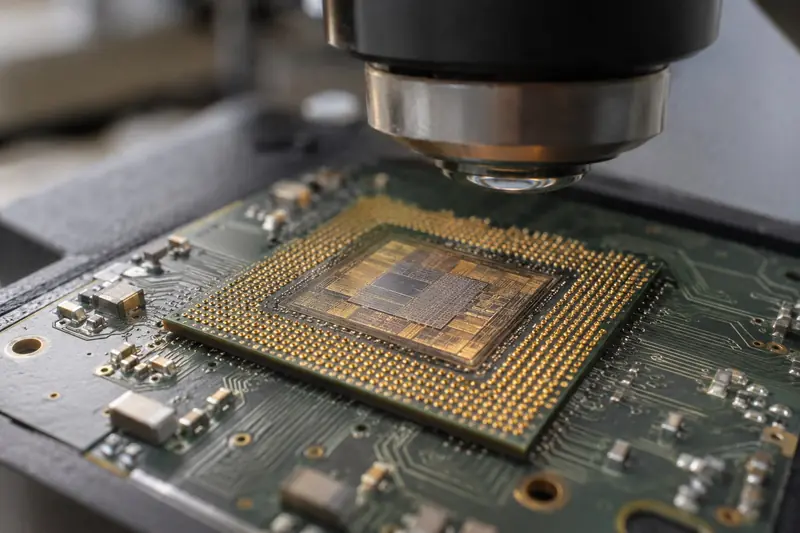
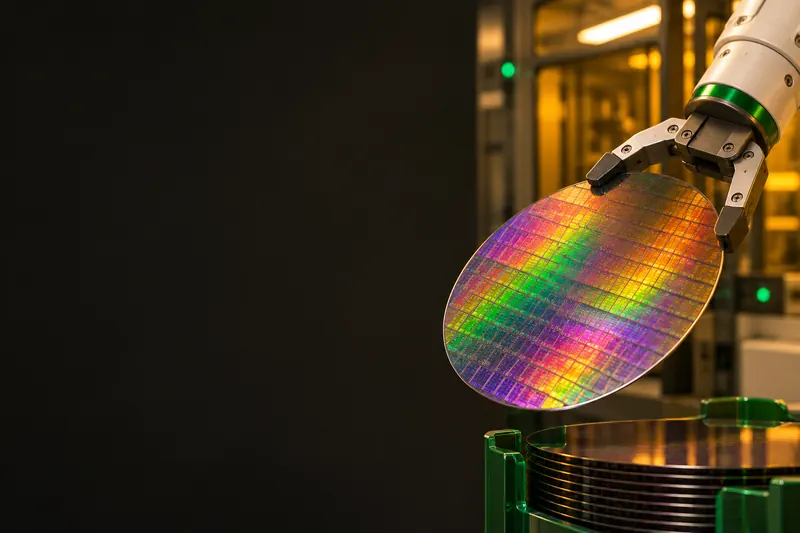
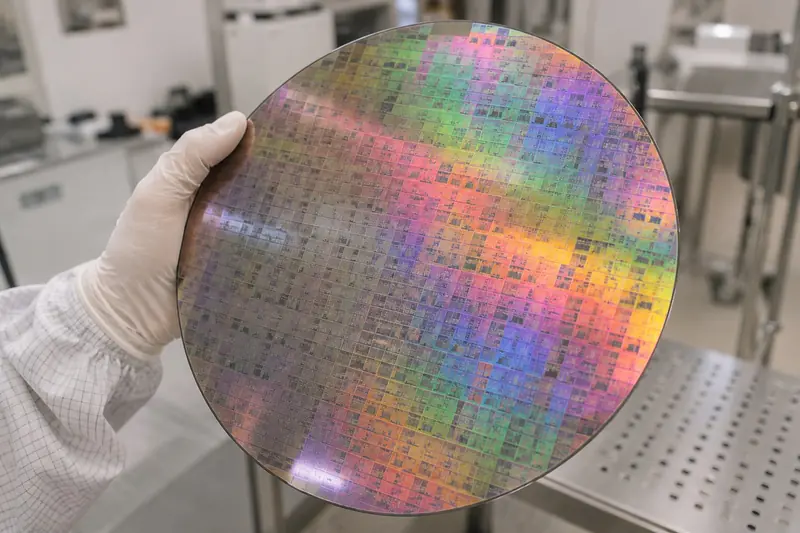
Chipmaking at the leading edge needs EUV lithography machines that only ASML makes, and export controls block their sale to China. SMIC uses older DUV machines with multiple exposures, which is slower and more expensive.
US restrictions pushed Chinese designers such as Huawei to manufacture at home, guaranteeing SMIC demand regardless of its technical gap with TSMC. Beijing supports the company through investment funds and orders.
SMIC’s margins are far lower than TSMC’s, and it reinvests heavily instead of paying dividends. Mature-node chips face a risk of overcapacity as China builds many new fabs.
The case illustrates industrial policy, the effects of sanctions and the economics of capital-intensive manufacturing.
The lessonSanctions can protect a domestic champion’s market while limiting its technology — growth and capability are not the same thing.
Key moments
SMIC is founded in Shanghai.
The US adds SMIC to its Entity List.
Huawei’s Mate 60 phone reveals SMIC-made 7nm chips.
Revenue reaches a record; capacity utilisation runs above 90%.
SMIC buys the remaining 49% of its Beijing joint venture.
For your seminar, paper or interview
- Q1
How have export controls helped and hurt SMIC?
- Q2
Can SMIC close the gap with TSMC without EUV tools?
- Q3
Is building mature-node capacity a good investment?
- Q4
What should foreign chip customers do about SMIC?
- Industrial policy
- Sanctions and trade policy
- Capital intensity
- Learning curves
Propose your solution
Pick a discussion question and set out what you would do, why, and what it would cost. Strong, well-argued answers are reviewed and published below with your first name and programme.
Published solutions
Loading published solutions…
- CreatiAI/CNBC: Chinese chip firms record revenue ↗
- Dow Jones via Tiger: SMIC earnings and outlook ↗
- TrendForce: SMIC 1H25 and 7nm capacity ↗
- LongtermWiki: SMIC overview ↗
Figures are as reported in the cited sources. Check the source before quoting. Corrections: let us know through the solution form.