What happened
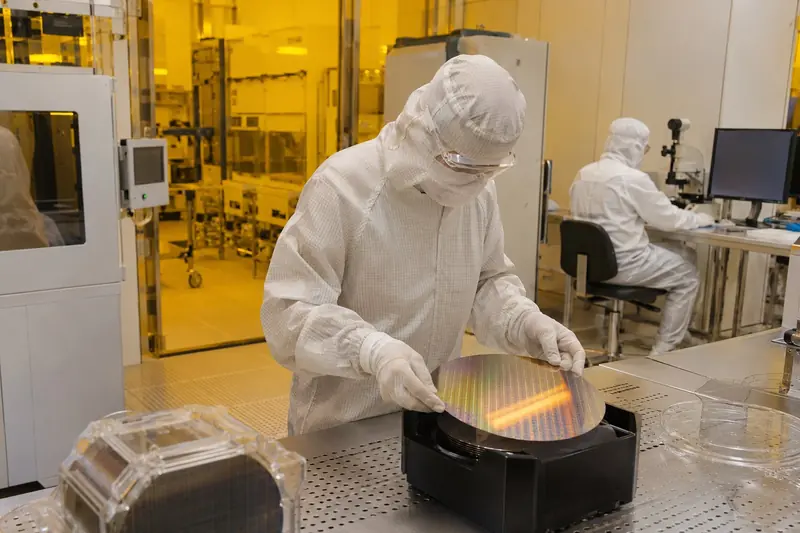
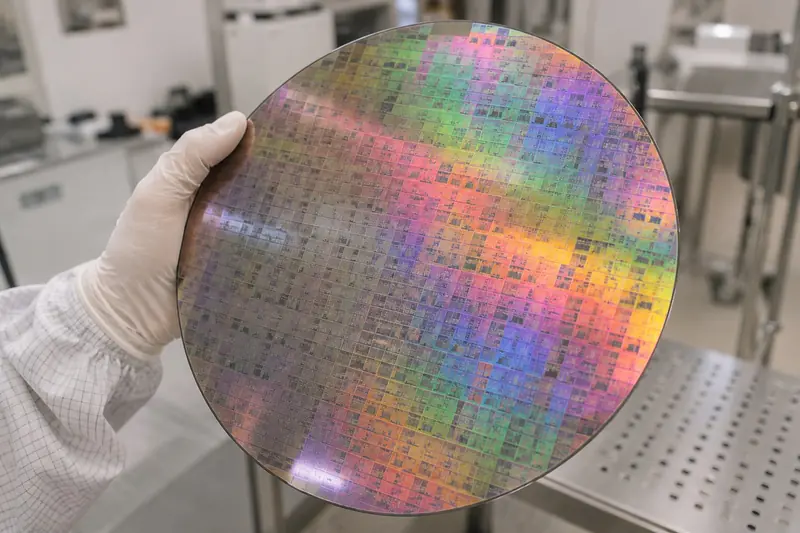
By promising never to compete with its customers, TSMC became the trusted manufacturer for almost every chip designer. Its scale lets it spend more on new factories and technology than rivals, and each new process node widens the gap.
The risk is concentration: most leading-edge chips are made in Taiwan, close to China. Customers and governments want production spread out, so TSMC is building in the US, Japan and Germany — at higher cost and with harder-to-find workers.
The lessonFocus and neutrality built TSMC’s dominance; geography is now its main risk.
Key moments
Morris Chang founds TSMC in Taiwan as a “pure-play” foundry that makes chips designed by others.
TSMC wins Apple’s iPhone chips and pulls ahead of Intel in manufacturing technology.
Chip shortages show the world’s dependence on Taiwan; TSMC begins building in Arizona.
TSMC adds $100bn to its Arizona plans.
A sixth straight quarter of record profit; AI chips make up 68% of sales.
For your seminar, paper or interview
- Q1
Why did the pure-foundry model beat integrated chipmakers such as Intel?
- Q2
How should customers manage their dependence on TSMC?
- Q3
Is building factories in Arizona good business or political necessity?
- Focus strategy
- Scale economies and learning curves
- Supply chain concentration risk
Propose your solution
Pick a discussion question and set out what you would do, why, and what it would cost. Strong, well-argued answers are reviewed and published below with your first name and programme.
Published solutions
Loading published solutions…
- CRN Asia: TSMC third-quarter revenue ↗
- Crypto Briefing: Q2 2026 and foundry share ↗
- Mark LaPedus: $100bn more in Arizona ↗
Figures are as reported in the cited sources. Check the source before quoting. Corrections: let us know through the solution form.