What happened
Suzano’s filings describe the Fibria acquisition and the issue of 255,437,439 new common shares. The acquisition-date market price used to measure the share consideration was R$36.95 on 3 January 2019. The shares represented only one component of the consideration. Their value at that date is a historical accounting measurement, not cash subsequently recovered by investors. The combination also involved financing whose burden depended on future operating cash.
Begin with the wood catchment around each mill. A plantation farther away can provide the same chemical fibre but at a higher delivered cost. An integrated owner may change which mill draws from a particular tract, rationalise port space or manage customers’ delivery calendars differently. The savings arrive in truck kilometres, vessel loading or fewer urgent purchases. They should be traceable even if the pulp price falls immediately after the deal.
A rising global price can make an acquisition look brilliant before any integration work begins. A falling price can hide genuine operating improvements. Separate the price received for comparable grades from changes in volume, freight and unit conversion costs. Then look at the cash consumed by interest, forest maintenance and scheduled shutdowns. A consolidated margin can improve at the same time as the cash available to shareholders contracts.
Suzano and Fibria were Brazil’s two largest producers of eucalyptus pulp, the raw material for tissue, paper and packaging. On 16 March 2018 they agreed to combine. Fibria shareholders, led by Votorantim and BNDES’s investment arm BNDESPar, would receive R$52.50 in cash and 0.4611 Suzano shares for each Fibria share, adjusted at closing to R$50.20 and 0.4613 shares.
Suzano arranged a US$9.2 billion financing commitment from banks and issued R$4.68 billion of debentures to fund the cash payment. After approvals from competition authorities, including CADE and the European Commission, control passed on 3 January 2019 and the combination was completed on 14 January, when Suzano paid about R$27.8 billion to Fibria’s shareholders. Suzano said the combined company would have capacity of 11 million tonnes of market pulp and 1.4 million tonnes of paper.
The case shows how the value of a mixed offer depends on both the cash and the price of the shares, and how acquisition debt changes risk.
Key moments
Suzano measures the stock consideration at the acquisition-date market price.
A further legal merger step is approved.
The share value is calculated from Suzano’s 3 January 2019 measurement price; Suzano issued 255,437,439 new shares and paid about R$27.8bn to Fibria holders on 14 January 2019. Sources: Suzano SEC filings; MarketScreener.
The trade-offs at the heart of the case
Putting forestry savings on a map
Suppose two mills buy wood from opposite sides of a boundary drawn by the former companies. Transferring a stand from one mill’s supply plan to the other could save truck distance without changing the number of trees harvested. The saving has an identified physical unit, a route and an invoice. It can be checked against fuel costs, contractor rates and delivery times. A procurement team claiming a broader improvement in bargaining power should be asked to supply evidence of comparable quality. A further complication is the age of the forest. Moving the harvest date can improve reported short-term costs by drawing on easily accessible mature stands. It may leave the next rotation farther from the mill or require buying market wood during a tight year. A credible integration budget follows the forest plan across rotations and values changes in the timing of harvests. It distinguishes a permanent routing improvement from borrowing cheap fibre from the future. The equity component created an additional perspective for former Fibria shareholders. Unlike a holder paid entirely in cash, a recipient of new Suzano shares retained exposure to the combined operation and its financing. If the promised efficiencies failed, the buyer’s legacy owners and the recipients of those shares could both suffer. To understand the allocation of risk, separate what was crystallised in cash from what continued as an interest in a commodity producer with a changed balance sheet.
For your seminar, paper or interview
- Q1
How would you verify a claimed forestry saving when commodity prices rise?
- Q2
What did the share component leave former Fibria holders exposed to?
- Q3
Which cost reductions would disappear after the next forest rotation?
- Q4
How would you verify value transferred through the stock component using information available at the time?
- Q5
Which finding about delivered wood cost and post-interest free cash flow would most change your recommendation, and why?
- Cash-and-share mergers
- Acquisition finance
- Commodity consolidation
- Synergies
How we would approach it
Simplifying Finance’s opinion, offered as a starting point for debate, not as fact or investment advice.
A further comparison is the cost of capital committed to inventory moving between mills, rail and port. The combined business might hold fewer emergency stocks if it can share grades and shipping arrangements. That advantage disappears where product specifications or port schedules make the stock noninterchangeable. Verify the grades and locations of actual inventories before recognising a reduction in working capital as another source of acquisition value. Evaluate integration against the routes, mills and customer contracts that management could actually change. Compare leverage with a cyclical cash measure, including a weak-price period. Selling nonessential land or delaying a mill upgrade could preserve liquidity temporarily but change future fibre costs. A board should know which apparent savings come from redesign and which simply move a necessary payment into another year.
Mix cash and shares
Pay mostly in cash while letting Fibria holders keep a stake in the combined company.
Pre-arrange financing
Secure a large bank commitment and issue debentures before closing.
Deleverage with cash flow
Use the combined company’s cash generation to reduce debt after the deal.
What this plan gives up
Combining the two companies created the world’s largest market pulp producer, but the large cash payment loaded Suzano with debt just as pulp prices could fall.
The strongest counter-argument
An investor can put some numbers around the issued shares without estimating the value of the entire business. The filing’s acquisition-date price multiplied by the new shares gives approximately R$9.44 billion for the equity component. That figure is sensitive to the date used to value the buyer’s shares. A higher subsequent share price benefits those still holding the security. It does not retrospectively increase the amount of cash required to complete the merger. A separate project review should examine the integration budget. Map the savings expected from each mill or logistics route to the expenditure needed to achieve them and the date they can begin. Some changes may require customers to accept a different port or grade. Others depend on renegotiating a transport contract at expiry. A calculation that recognises the full run-rate saving immediately while spreading integration expense over several years can make a mediocre project look unusually profitable. New shares and outstanding old shares need different rows in the consideration bridge. A merged sales team cannot control the world pulp price.
Metrics to watch
- Suzano net debt to EBITDA
- Pulp prices
Propose your solution
Pick a discussion question and set out what you would do, why, and what it would cost. Strong, well-argued answers are reviewed and published below with your first name and programme.
Published solutions
Loading published solutions…
- Suzano financial disclosure, adjusted share consideration (US SEC EDGAR) ↗
- Suzano filing on merger terms and the acquisition-date share price (US SEC EDGAR) ↗
- Suzano: Final approval of merger with Fibria ↗
- Suzano: Form 20-F 2019 (SEC) ↗
- MarketScreener: Suzano completed acquisition of Fibria ↗
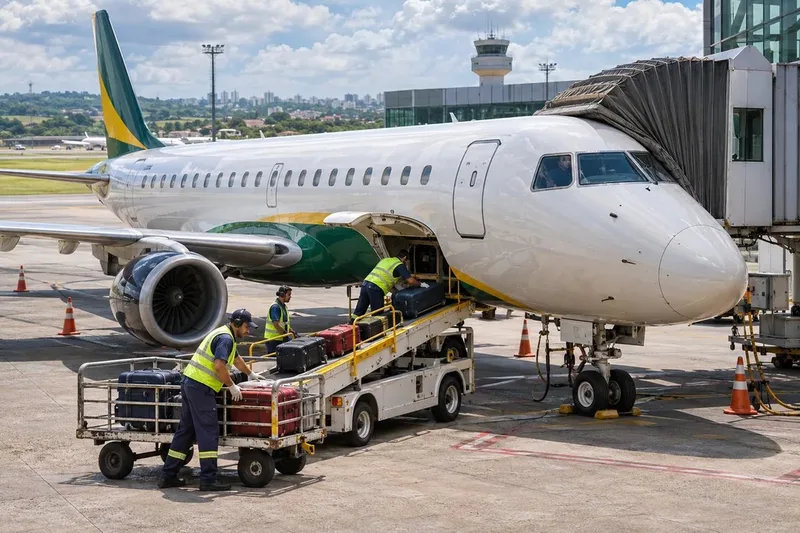
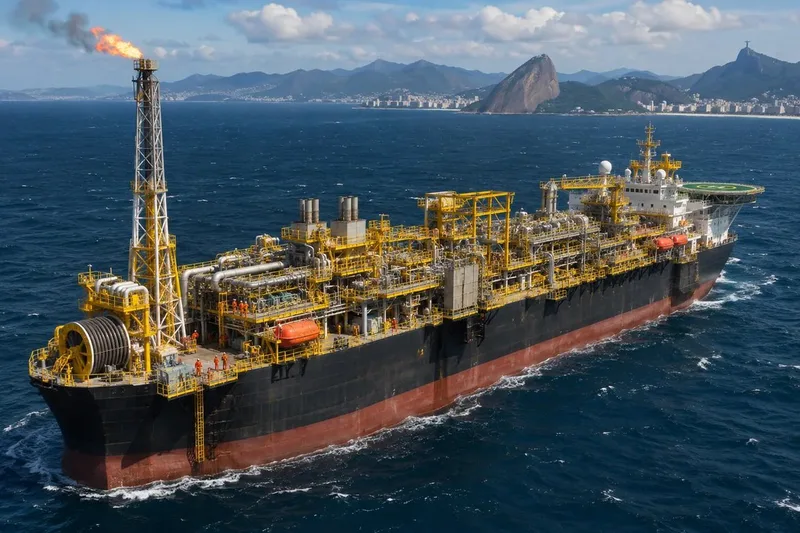
- Image: Simplifying Finance · AI-generated editorial illustration
Figures are as reported by the companies or cited outlets as of 22 November 2026. Check the source before quoting. Corrections: let us know through the solution form.