What happened
Tesla’s early lead came from batteries, software and a direct sales model. Its Shanghai factory made it a global volume producer.
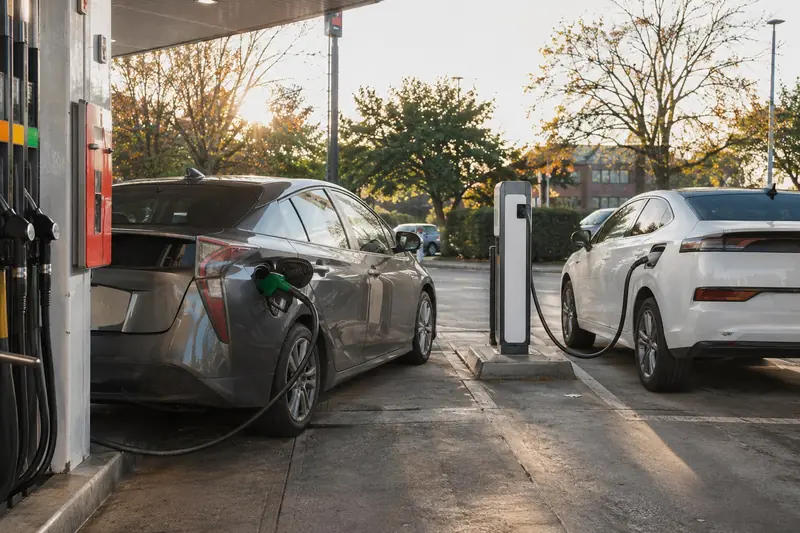
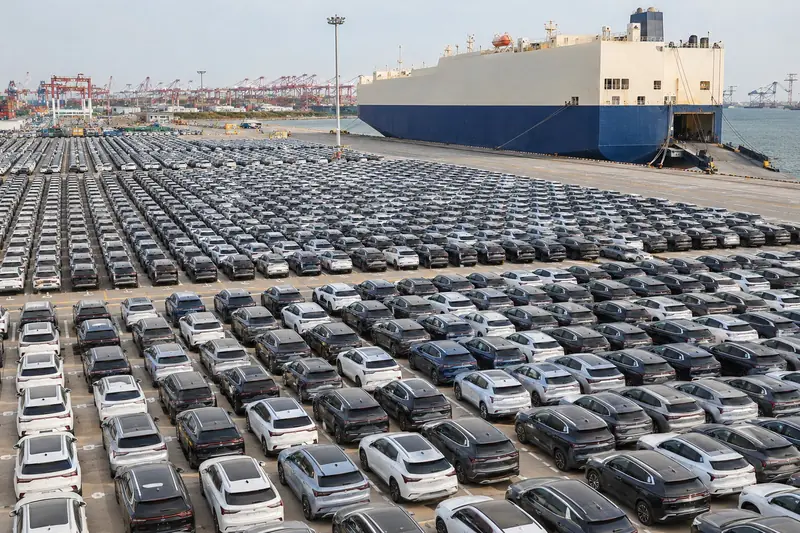
Competition from Chinese makers, an ageing model line-up, the end of US EV tax credits and backlash against Musk’s politics hurt sales.
Musk argues Tesla is becoming a “physical AI” company. Its valuation depends on whether robotaxis and robots succeed — and on Musk himself.
The case shows how markets can value a company on future stories rather than current results, and the risk of depending on one leader.
The lessonA company’s share price can reflect its future story more than its present results — which cuts both ways.
Key moments
Tesla is founded; Musk joins as lead investor in 2004.
The Roadster launches.
The Model S launches.
Tesla becomes the most valuable carmaker.
A robotaxi service starts in Austin.
Shareholders approve Musk’s giant pay package.
For your seminar, paper or interview
- Q1
Why did Tesla’s sales fall in 2025?
- Q2
Is Tesla a car company or an AI company?
- Q3
What is key-person risk?
- Q4
Was the pay package good for shareholders?
- Valuation and narratives
- Key-person risk
- Competitive dynamics
- Executive compensation
Propose your solution
Pick a discussion question and set out what you would do, why, and what it would cost. Strong, well-argued answers are reviewed and published below with your first name and programme.
Published solutions
Loading published solutions…
- The Register: first revenue fall ↗
- UNB/AP: BYD overtakes Tesla ↗
- Malay Mail/AFP: profits plunge 61% ↗
- Fortune: rebound that didn’t come ↗
Figures are as reported in the cited sources. Check the source before quoting. Corrections: let us know through the solution form.