What happened
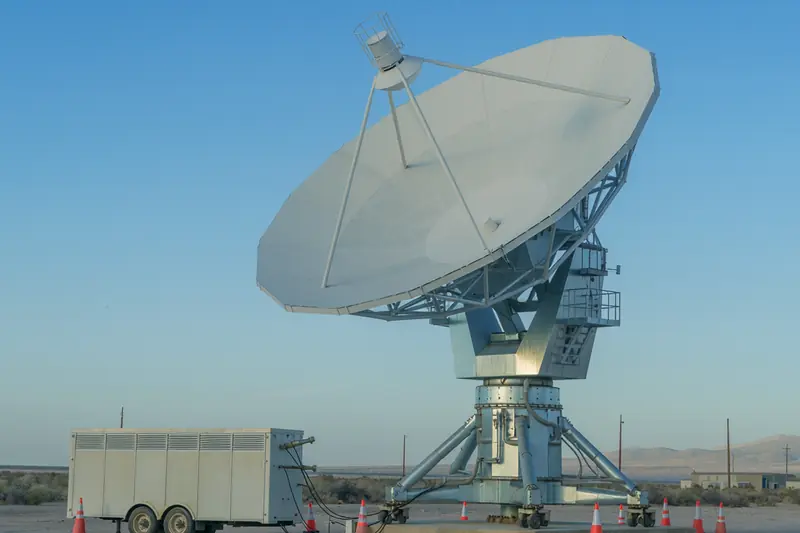
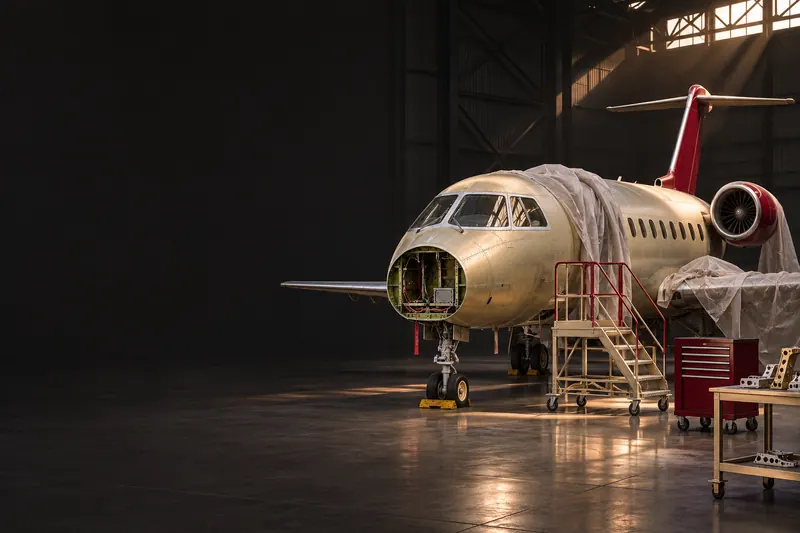
Thales sells to armed forces, airlines and banks. Defence orders are rising fast; avionics recovered with air travel; the digital business sells cybersecurity and identity products. The mix spreads risk but makes the group harder to value.
European defence is fragmented, with many national champions. Thales’ space joint venture is an attempt to build scale against US rivals such as SpaceX. The French state’s shareholding brings stability but also political influence over strategy.
The lessonDiversification can smooth results, but each part must still be competitive in its own market.
Key moments
Thomson-Houston is founded in France, the root of today’s group.
Thomson-CSF renames itself Thales.
Thales buys digital-security firm Gemalto for €4.8bn.
It buys cybersecurity firm Imperva for $3.6bn.
Record orders; Thales signs a plan to combine space activities with Airbus and Leonardo.
For your seminar, paper or interview
- Q1
Does it make sense to combine defence and cybersecurity in one group?
- Q2
Why is European defence so fragmented?
- Q3
What are the benefits and costs of state shareholders?
- Portfolio diversification
- Industry consolidation
- State ownership
Propose your solution
Pick a discussion question and set out what you would do, why, and what it would cost. Strong, well-argued answers are reviewed and published below with your first name and programme.
Published solutions
Loading published solutions…
Figures are as reported in the cited sources. Check the source before quoting. Corrections: let us know through the solution form.