What happened
On 1 June 2022 Woodside announced completion of its merger with BHP’s petroleum business. It acquired the whole share capital of BHP Petroleum International and issued 914,768,948 new Woodside shares to BHP for distribution to eligible shareholders. Woodside holders now shared the enlarged portfolio with the former petroleum business’s owners. Counting extra barrels without adjusting the number of shares would misstate the gain available to an existing Woodside investor.
An operating oil field carries obligations beyond current production. Inspection, plugging, decommissioning and eventual rehabilitation can consume cash long after peak output. A company receiving producing fields and their future liabilities must evaluate both on a consistent price and discount-rate basis. Transferring a field to a new corporate owner changes the balance sheet but does not remove the physical work needed at the end of its life.
The structure solved a problem for both companies. BHP wanted to reduce its exposure to oil and gas, but selling a large petroleum business for cash in 2021 might have meant accepting a low price from a limited number of buyers. By taking Woodside shares and handing them to its own investors, BHP let each shareholder choose whether to keep or sell. Woodside, for its part, gained scale without borrowing, but issued a very large number of new shares. Existing Woodside owners therefore had to judge whether the assets they received were worth giving up almost half of the company. Investors should compare production, reserves and cash flow per share before and after such a merger, rather than looking only at the larger totals.
In August 2021 Woodside and BHP agreed to combine BHP’s oil and gas business with Woodside through an all-share merger. BHP would receive new Woodside shares and distribute them to its own shareholders, effectively leaving the petroleum industry without selling assets for cash.
The deal took economic effect from 1 July 2021, so Woodside was entitled to the profits and risks of the business from that date. Woodside shareholders approved the merger on 19 May 2022, and it completed on 1 June 2022. Woodside issued 914,768,948 new shares, and BHP holders received about 0.1807 Woodside shares for each BHP share. Existing Woodside holders owned about 52% of the enlarged company and BHP holders about 48%.
Because the price was a fixed number of shares agreed in November 2021, its dollar value moved with Woodside’s share price. Woodside’s accounts valued the shares issued at about US$19.3 billion, and after the locked-box adjustments the total purchase consideration was about US$18.6 billion.
The case shows how a company can exit a business by merging it with another, and why investors should check the share count as well as the size of the assets.
Key moments
Woodside holders approve
Petroleum merger completes
Woodside shares issued for distribution to eligible BHP holders
Woodside issued 914,768,948 new shares, distributed to BHP holders at about 0.1807 Woodside shares per BHP share. Consideration measured at US$18.6bn at completion. Sources: Woodside SEC filings (F-4, 20-F).
The trade-offs at the heart of the case
Testing the evidence
An analyst could ask whether the apparent effect survives a fair comparison. Start with mature fields entering the combined portfolio, then identify similar fields already held by the buyer. Follow cash available per enlarged share after closure provisions for both groups across matching periods. A single difference at the end says little if the two groups were already diverging beforehand. Plot the earlier histories and investigate commodity prices and timing of field abandonment before attributing the subsequent gap to the decision. Seek field-level closure schedules reconciled to cash funding plans. A signed commitment and a favourable management estimate should carry different weights. Compare the raw observations with the number eventually reported and retain exceptions that need explanation. The cases most difficult to reconcile often reveal which participant is bearing the cost.
For your seminar, paper or interview
- Q1
When would existing shareholders be better off with slower production growth and fewer newly issued shares?
- Q2
How would you use similar fields already held by the buyer to test changes in cash available per enlarged share after closure provisions, while allowing for commodity prices and timing of field abandonment?
- Q3
Compare the recommended course with an asset sale with funded closure obligations assigned field by field. Which commitment would you make first, and what result would cause you to change course?
- Asset merger for shares
- Locked-box accounting
- Portfolio exit
- Energy transition
How we would approach it
Simplifying Finance’s opinion, offered as a starting point for debate, not as fact or investment advice.
Show expected sustaining and closure expenditure for each basin, together with the commodity-price path required to fund it. Present returns per enlarged share and keep the distribution to BHP holders distinct from cash dividends. A larger production base can improve resilience if cash needs arrive at different times and do not all depend on the same price rebound.
Exit through a partner
Let BHP leave oil and gas by merging its business into a specialist.
Pay in fixed shares
Agree a fixed number of shares, so the value changes with Woodside’s price.
Use a locked box
Fix economic ownership from an earlier date and adjust cash at completion.
What this plan gives up
The merger gave Woodside scale and a stronger portfolio, and let BHP exit petroleum without a cash sale, but BHP shareholders received shares in a company focused entirely on fossil fuels, and the value depended on oil and gas prices.
The strongest counter-argument
A direct sale for cash might simplify the seller’s portfolio while placing price and financing risk on a buyer. The share distribution kept eligible BHP holders exposed unless they chose to sell. Compare both under a common oil price and with identical closure obligations. A cash bid that quietly leaves liabilities behind is not directly comparable. A production asset can be transferred to a well-capitalised specialist while historical obligations remain partly shared by contract. Check which liabilities accompanied each field and which exposures depend on third-party performance. A corporate statement that the whole petroleum subsidiary was acquired describes ownership of shares. It does not, by itself, describe every guarantee or indemnity. An analyst should read the acquisition accounting and the ensuing obligations before calculating the effective price paid for the new production. A disposal can change who reports a liability before it changes who ultimately pays the bill.
Metrics to watch
- Woodside production
- Synergies achieved
Propose your solution
Pick a discussion question and set out what you would do, why, and what it would cost. Strong, well-argued answers are reviewed and published below with your first name and programme.
Published solutions
Loading published solutions…
- Woodside · BHP Petroleum merger completion ↗
- Woodside · 2022 annual report and merger disclosures ↗
- Woodside: 2022 annual report (Form 20-F) ↗
- Woodside: Merger prospectus (Form 424B3) ↗
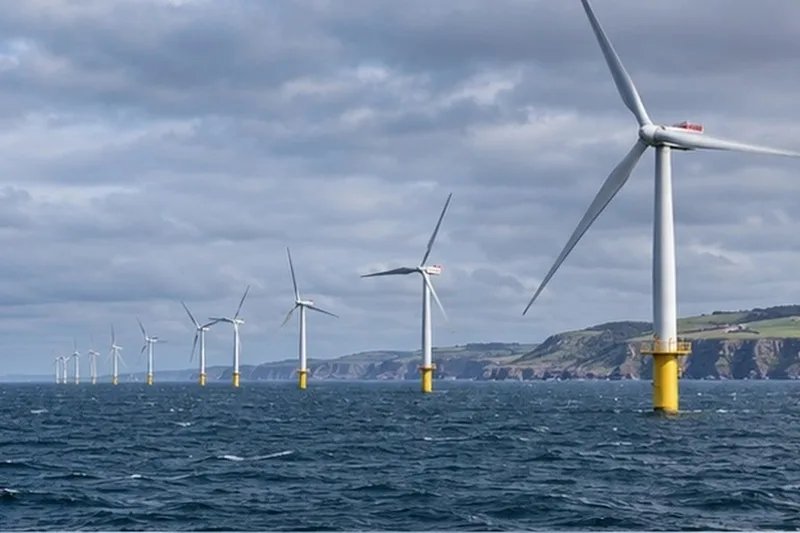
- Image: AI-generated editorial illustration for Simplifying Finance. Illustrative scene.
Figures are as reported by the companies or cited outlets as of 22 November 2026. Check the source before quoting. Corrections: let us know through the solution form.