The idea
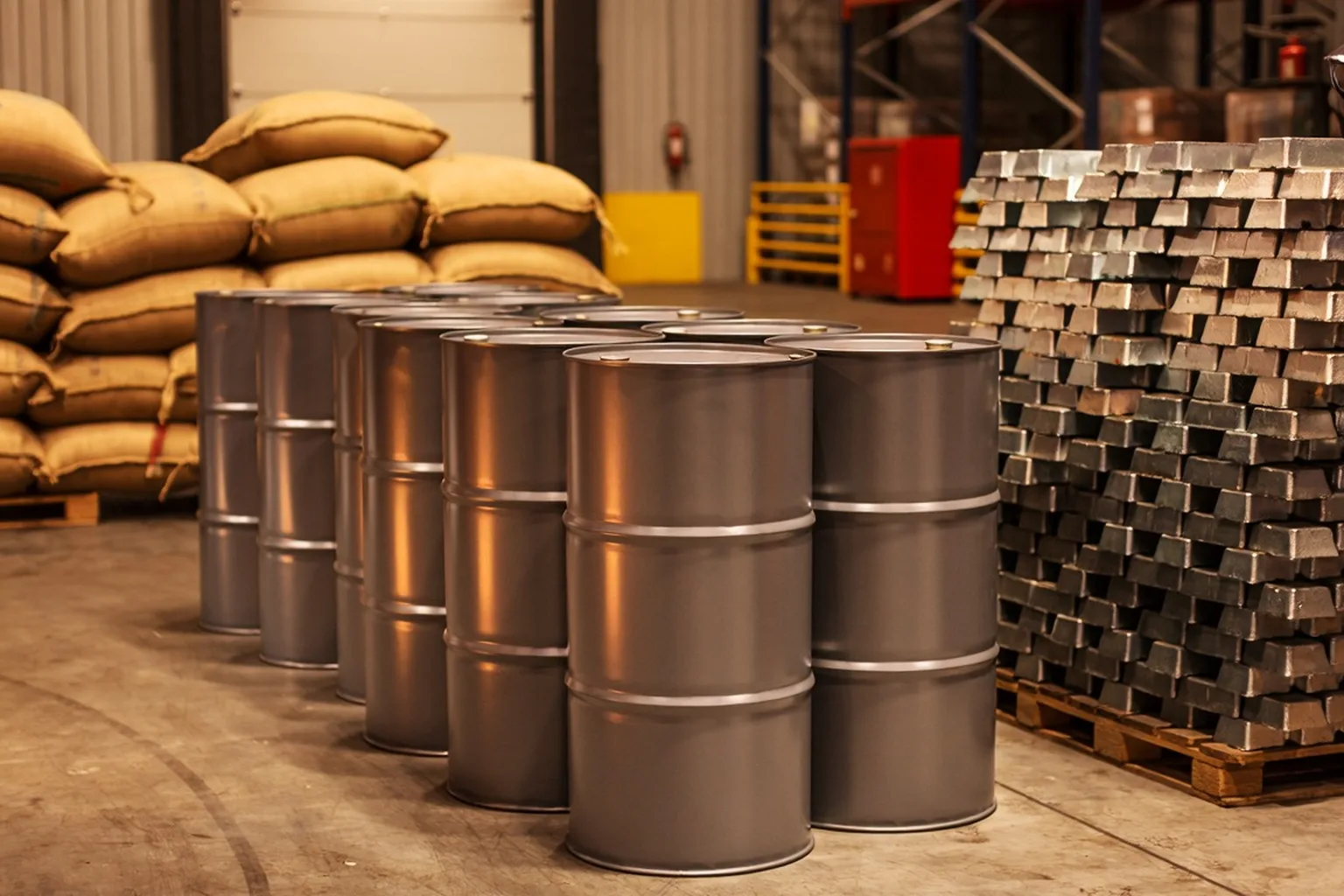
It is expensive to store oil, wheat or gas, so most commodity funds hold futures contracts instead. Futures expire, so the fund must regularly sell the expiring contract and buy a later one. This is called rolling.
If later contracts cost more than the expiring one (contango), the fund buys fewer contracts each time and loses value even if the spot price is unchanged. If later contracts are cheaper (backwardation), rolling adds return.
Three sources of return in a futures fund
| Source | What it is |
|---|---|
| Spot return | Change in the price of the commodity itself |
| Roll yield | Gain or loss from replacing expiring contracts |
| Collateral return | Interest earned on cash or bonds held as margin |
April 2020: the extreme case
During the 2020 lockdowns, oil demand collapsed and storage at Cushing filled.
On 20 April 2020, the expiring May WTI contract settled at −USD 37.63 a barrel.
Funds holding front-month futures suffered huge losses and had to change their strategies.
Spot prices recovered within months, but some fund investors were left far behind.
Fund designs to know
Front-month funds
Hold the nearest contract; most exposed to roll costs.
Optimised roll
Choose contracts along the curve to reduce roll losses.
Broad commodity indices
Spread across energy, metals and agriculture.
Physically backed
Only practical for precious metals like gold and silver.
Checks before buying
Index methodology
Which contracts are held and how they roll.
Total expense
Fees plus trading costs.
Tax structure
Some US funds issue complex tax forms.
Long-term returns
Compare the fund with the spot price over several years.
Collateral income
A futures fund needs only a fraction of its assets as margin. The rest is usually held in short-term government bills, earning interest. When interest rates are high, this collateral return can offset some roll costs or add to returns.
This is one reason commodity index returns looked better in the high-interest 1970s and 1980s and worse in the near-zero rate years of the 2010s.
A realistic scenario
Faisal buys a front-month oil ETF expecting oil to rise from USD 70 to USD 80 within a year. Oil does reach USD 80, but his fund is up only 5% because the futures curve was in steep contango for most of the year.
He switches to a broad commodity fund with an optimised roll strategy for future exposure and keeps the position small, using it as an inflation diversifier rather than a bet on oil.
Questions to ask yourself
Does my fund hold futures, and which months? Is the curve in contango or backwardation now? How has the fund performed compared with the spot price? What is the collateral earning? Do I need commodity exposure, or would producer shares or diversified funds suit me better?
Official sources to check
The US Commodity Futures Trading Commission (cftc.gov) publishes investor education on futures and commodity funds. Index providers such as S&P (spglobal.com) and Bloomberg publish commodity index methodologies. Fund prospectuses explain roll schedules and risks.
Common mistakes
Expecting spot returns
Futures funds rarely match headline prices.
Ignoring the curve
Steep contango erodes returns month by month.
Long-term holding of front-month funds
Roll costs compound.
Not reading the methodology
Each fund rolls differently.
Your checklist
- I know whether my fund holds futures or physical metal.
- I understand roll yield in contango and backwardation.
- I compared the fund with spot prices over several years.
- I use commodity funds for defined purposes, not as long-term core holdings.
The short version
Commodity ETFs usually hold futures, so returns include roll yield and collateral income as well as price changes. In contango, funds can lag spot prices badly. Read the methodology and compare long-term results.
Illustration: front-month oil at USD 75 and next month at USD 77 (contango). Rolling USD 1,000 of exposure buys fewer contracts each month, costing about 2.6% a month if prices stay unchanged.
Most commodity funds hold futures, not barrels; roll yield and collateral income can make their returns very different from the headline price.
Primary educational reference
CFTC · Futures education ↗Reviewed November 20, 2026. Examples are hypothetical illustrations in AED or USD. Educational content, not personalised investment, legal or tax advice.