The idea
An excise tax is charged on specific goods rather than on spending in general. Common targets are fuel, tobacco, alcohol, sugary drinks and sometimes vehicles, gambling or luxury items. Excise is usually collected from producers or importers, who build it into the price customers pay.

Excise versus VAT
VAT or sales tax applies to most goods and services as a percentage of the price. Excise applies only to selected products, and is often a fixed amount per unit, such as per litre of fuel or per pack of cigarettes. Many products carry both: excise first, then VAT on the price including excise.
Two ways to charge it
| Type | How it is set | Example |
|---|---|---|
| Specific (per unit) | Fixed amount per litre, pack or kilo | Fuel duty per litre |
| Ad valorem (by value) | Percentage of price | UAE excise at 50% or 100% |
| Mixed | Per-unit amount plus a percentage | Some tobacco taxes in Europe |
Why governments use it
Excise taxes raise steady revenue because demand for items like fuel and tobacco does not fall much when prices rise. They also discourage consumption that harms health or the environment, which economists call correcting a negative externality. Revenue is sometimes used for health or transport budgets.
The UAE example
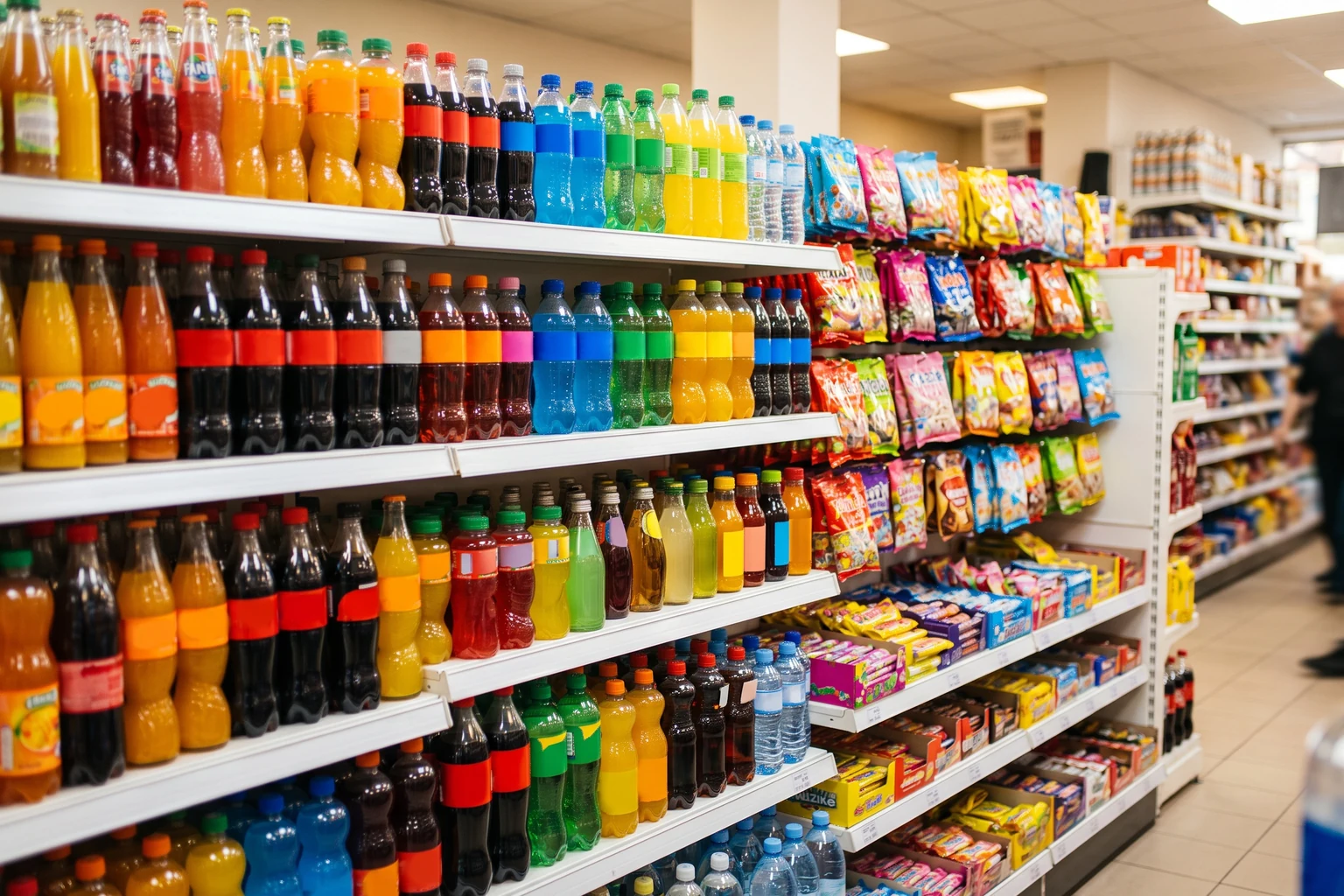
The UAE introduced excise tax in 2017 at 100% on tobacco products and energy drinks and 50% on carbonated drinks, later extended to electronic smoking devices and sweetened drinks. The UAE has also announced a move to a tiered system for sweetened drinks from 2026, based on sugar content, so less sugary drinks face lower tax, encouraging healthier recipes.
Sugar taxes elsewhere
Many countries tax sugary drinks, including the UK, Mexico and Saudi Arabia. The UK’s soft drinks industry levy, introduced in 2018, uses sugar bands, and many manufacturers reformulated drinks to fall below the thresholds. That shows excise can change products, not just prices.
Fuel duty and the economy
Fuel excise is a large revenue source in many countries and affects transport costs throughout the economy. Governments often freeze or cut fuel duty when oil prices spike, which eases household budgets but costs public revenue.
Who really pays
Although companies hand the tax to the government, most of the burden usually falls on consumers through higher prices, especially for products with few substitutes. Because poorer households spend a larger share of income on items like fuel and tobacco, excise taxes are often regressive.
What it means for companies
For tobacco, beverage, alcohol and fuel companies, excise changes can shift demand and margins. Investors watch budget announcements because a sudden increase can cut volumes, while gradual, predictable increases are easier to pass on to customers.
Smuggling and cross-border shopping
Very high excise can encourage smuggling and cross-border shopping where neighbouring countries have lower rates. Governments use tax stamps, tracking systems and enforcement to protect revenue, and sometimes coordinate rates regionally.
Household budgets
Because excise is built into shelf prices, it is easy to overlook. Tracking how much you spend on taxed goods, and noticing what share is tax, can be a useful nudge for people trying to cut costs or change habits.
Excise and health outcomes
Public health bodies such as the World Health Organization recommend tobacco and sugary-drink taxes because higher prices reduce consumption, especially among young people who are more sensitive to price. Studies of sugar taxes have found falls in sugar purchased from drinks after their introduction, partly because companies reformulated recipes. The aim is a healthier population as much as revenue.
Planning around price changes
Excise rates often change in annual budgets or on fixed dates. Retailers and wholesalers may stock up before an increase, and prices can jump overnight when a new rate takes effect. For households, the change is usually small per item but adds up for regular purchases such as fuel, which is why fuel duty changes are watched closely.
A realistic scenario
A café in Abu Dhabi stocks energy drinks and soft drinks. Its importer pays excise before the drinks reach the shelf. The café’s cost price already includes the tax, so the owner sets menu prices to cover it plus VAT at 5% on the final price.
Questions to ask yourself
- Which of my regular purchases carry excise?
- Is the tax per unit or a percentage?
- Is VAT charged on top of excise?
- Could I switch to a lower-taxed alternative?
- How exposed is this company to excise changes?
The short version
Excise taxes fall on chosen goods such as fuel, tobacco and sugary drinks, either per unit or as a percentage. They raise revenue and change behaviour, are built into prices and often weigh most on lower-income households.
Illustration: drink cost before tax AED 4.00; excise at 50% = AED 2.00; price before VAT AED 6.00; VAT 5% = AED 0.30; shelf price AED 6.30, of which AED 2.30 is tax. Hypothetical figures under a simple 50% rate.
Excise taxes target particular goods, often to raise revenue and discourage harmful use. They are built into the shelf price, so you pay them without seeing a separate line.
Primary educational references
UAE Federal Tax Authority · Excise tax ↗
Reviewed November 28, 2026. Examples are hypothetical illustrations. Educational content, not personalised investment, legal or tax advice.