The idea
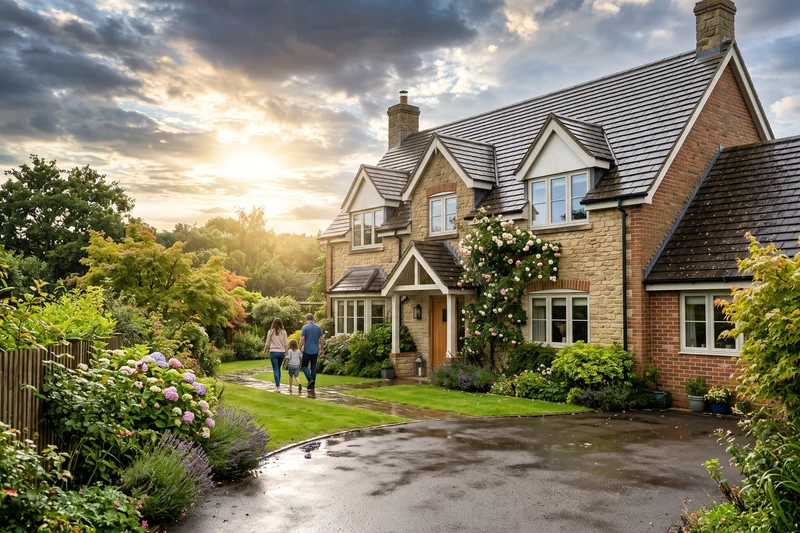
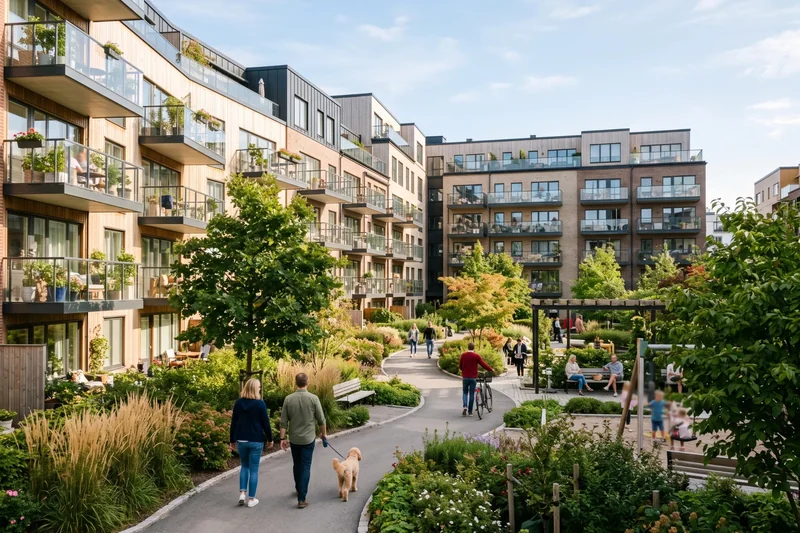
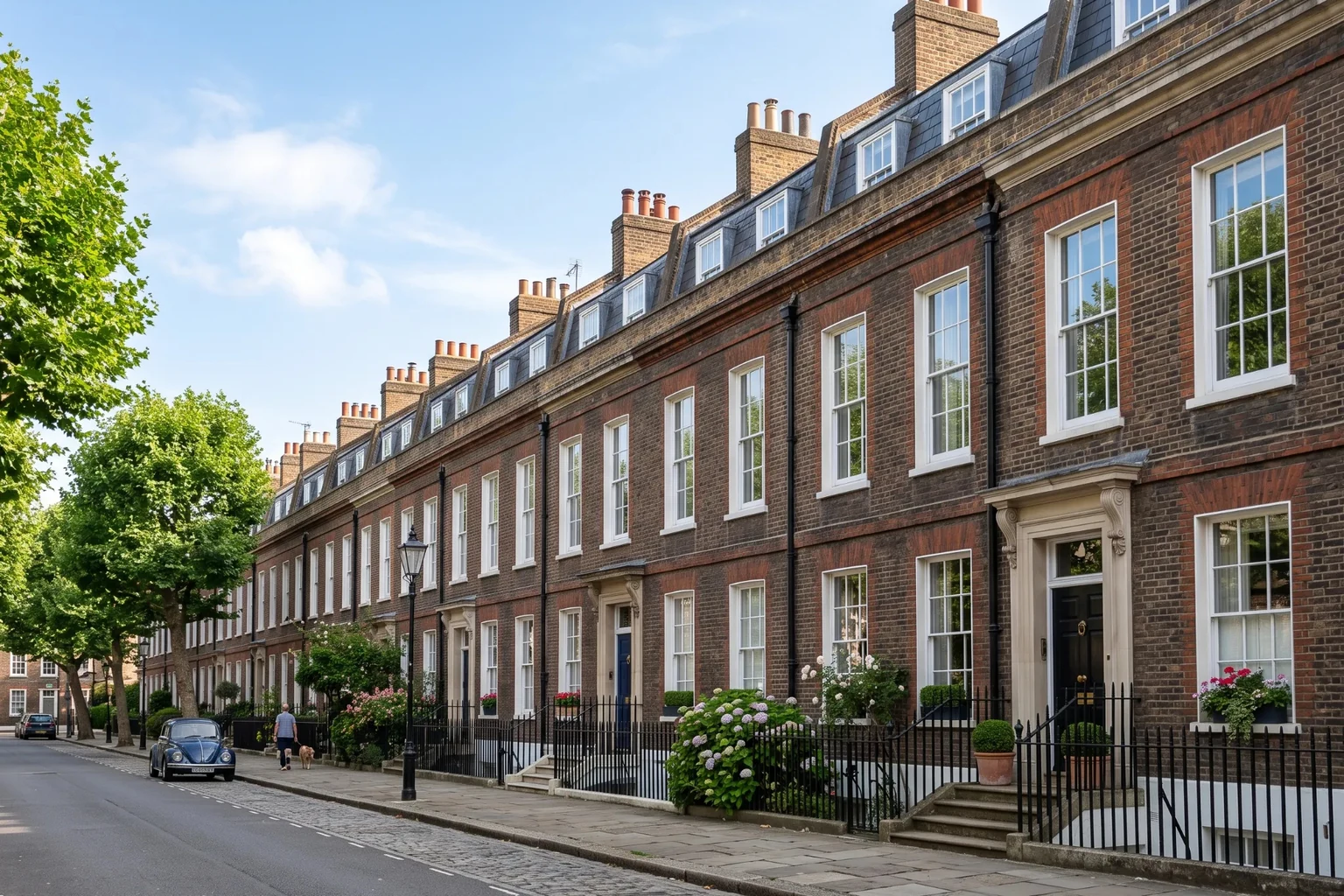
When you buy a property, you are buying a legal interest in it. With freehold, you generally own the property and the land it stands on indefinitely. With leasehold, you own a lease that lets you occupy the property for a set term, such as 99, 125 or 999 years, while someone else, the freeholder, owns the land or building. Many flats are sold as leaseholds because they share structures and common areas.

Key differences
| Feature | Freehold | Leasehold |
|---|---|---|
| Duration | Indefinite | Fixed term of years |
| Control | You decide on works | Lease terms and freeholder rules apply |
| Ongoing costs | Your own maintenance | Ground rent and service charges |
| Value over time | Not affected by a term | Can fall as the lease shortens |
Why lease length matters
A lease is a wasting asset: each year it gets shorter. When many decades remain, this has little effect. As the remaining term falls below about 80 to 90 years, value can start to fall and extending the lease becomes more expensive. Many mortgage lenders require a minimum remaining term, often 70 to 85 years beyond the mortgage term, so short leases can be hard to sell.
Ground rent
Leaseholders may pay ground rent to the freeholder. In some markets, escalating ground rents that double every 10 to 25 years caused serious problems because they made homes hard to sell or mortgage. England introduced rules in 2022 setting ground rent to a nominal amount for most new residential leases.
Service charges
Leaseholders in shared buildings usually pay service charges for cleaning, maintenance, insurance and repairs to common parts. Large repairs, such as roof replacements or safety works, can lead to substantial bills. Checking past charges, planned works and reserve funds is essential before buying.
Extending a lease
In many places, leaseholders who meet conditions have legal rights to extend their lease or buy a share of the freehold. The cost depends on the remaining term, property value and ground rent. Extending earlier is usually cheaper. Legal and valuation fees add to the cost.
Commonhold and shared freehold
Some systems offer alternatives. In shared freehold, flat owners jointly own the freehold through a company. Commonhold, available in England and Wales but little used so far, gives each owner a freehold of their unit with shared ownership of common areas. Other countries use strata title or condominium systems with similar ideas.
Freehold responsibilities
Freehold owners avoid ground rent and lease restrictions, but they carry the full cost of maintaining the building and land. Some freehold estates also charge fees for shared roads and green spaces, so freehold does not always mean no ongoing charges.
The Gulf angle
In Dubai, foreign buyers can purchase freehold property in designated areas, and leasehold interests of up to 99 years are also available in some locations. Owners in shared buildings pay service charges, which the Dubai Land Department’s Real Estate Regulatory Agency oversees through approved budgets and published service charge indices.
Reading the lease itself
The lease is a legal contract that can run to dozens of pages. Beyond the term and ground rent, it sets rules on pets, subletting, alterations, flooring and short-term lets, and explains how service charges are calculated and shared. Breaching a clause can lead to disputes or costs. Buyers usually rely on a conveyancer or lawyer to review it, but asking for a plain-language summary of any unusual clauses is worthwhile before exchanging contracts.
A realistic scenario
A buyer finds a flat priced below similar homes nearby. The lease has 68 years left. His lender requires at least 85 years. He negotiates a price reduction to reflect the cost of extending the lease, then extends it soon after buying so the flat is easier to mortgage and sell later.
Questions to ask yourself
- Is it freehold or leasehold?
- How many years remain on the lease?
- What are ground rent and service charges, and how can they change?
- Are major works planned?
- Would lenders accept the lease length?
The short version
Freehold usually means owning outright. Leasehold means owning the right to occupy for a fixed term, with ground rent and service charges. Short leases can reduce value and mortgage options, so check the term and costs before buying.
Illustration: two identical flats are worth 300,000 with long leases. One has 65 years left. Its value may be noticeably lower, and extending the lease might cost tens of thousands plus fees. Hypothetical figures.
Freehold usually means you own the building and land outright. Leasehold means you own the right to use a property for a fixed number of years. The length of the lease can make a big difference to value.
Primary educational references
Reviewed November 28, 2026. Examples are hypothetical illustrations. Educational content, not personalised investment, legal or tax advice.