The idea
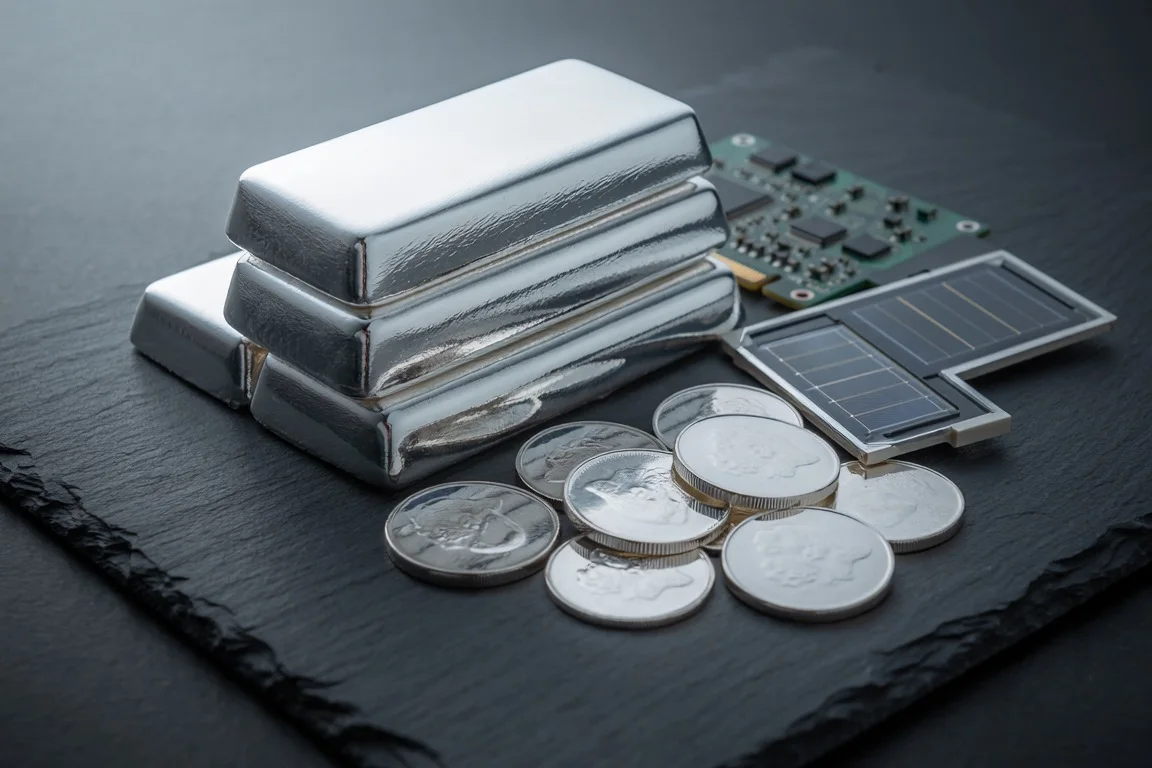
Silver is often grouped with gold as a precious metal, and the two prices usually move in the same direction over long periods. But silver has a second identity. More than half of the silver used each year goes into industry: electronics, solar panels, electrical contacts, medical products and increasingly electric vehicles.
That split personality explains much of silver's behaviour. In times of fear, it is pulled along by gold. In times of growth, industrial demand can push it higher. In recessions, falling industrial use can hold it back even when gold is strong.

Where demand comes from
Industrial uses have grown in importance, led by solar power, because silver paste conducts electricity in photovoltaic cells. Jewellery and silverware remain large, especially in India. Investment demand for coins, bars and exchange-traded funds swings the most from year to year, rising sharply when investors worry about inflation or currencies.
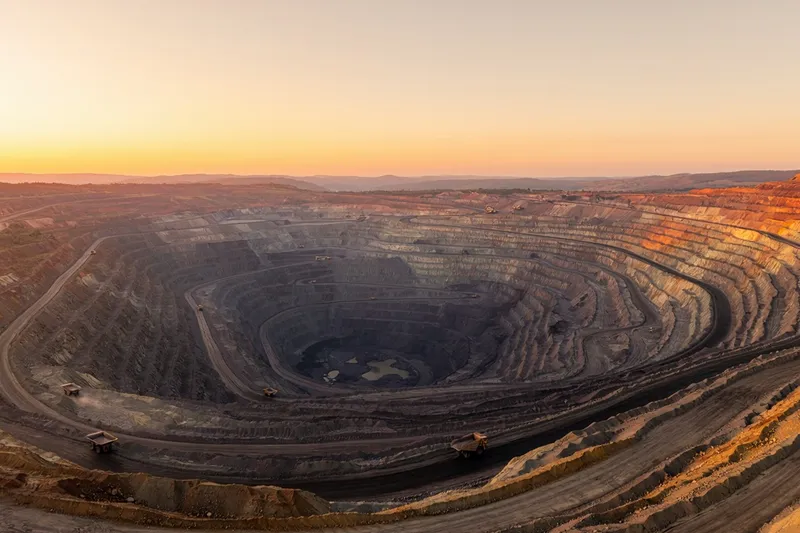
Supply is unusual too. Most silver is mined as a by-product of lead, zinc, copper and gold mining. That means higher silver prices do not quickly bring more supply, because miners decide output based on their main metal.
Silver compared with gold
The table sums up the main differences investors notice.
| Feature | Gold | Silver |
|---|---|---|
| Main demand | Jewellery, central banks, investment | Industry, jewellery, investment |
| Volatility | Moderate | Often 1.5–2 times gold |
| Market size | Very large | Much smaller |
| Storage | Compact for its value | Bulky for its value |
| In recessions | Often holds up | Can fall with industry |
The gold–silver ratio
Traders often watch how many ounces of silver it takes to buy one ounce of gold. Over the past few decades the ratio has mostly ranged between about 50 and 90, spiking above 100 in early 2020. A high ratio means silver is cheap relative to gold by historical standards; a low ratio means it is expensive.
The ratio is a useful sense check, not a timing signal. It can stay high or low for years, especially when the economic backdrop favours one metal.
Ways to own silver
Physical bars and coins are simple but bulky, and dealers' buy and sell prices can be far apart. In the UAE, some places add VAT on silver bullion while investment-grade gold has special treatment, so check costs carefully. Silver ETFs backed by physical metal are cheaper to trade and store. Silver mining shares add company and operating risk and usually swing even more than the metal.
Futures and CFDs on silver are used by traders, but leverage combined with silver's volatility can produce large losses quickly.
Why silver is so volatile
The silver market is far smaller than gold's, so large buyers or sellers move it more. Industrial and investment demand can change at the same time, and supply cannot respond quickly. Silver has seen dramatic episodes, from the attempt to corner the market in 1979–80 to sharp spikes driven by retail buying in 2021.
For a long-term investor, this means silver deserves a smaller position than gold if the aim is stability.
Silver and the energy transition
Solar power has become the fastest-growing source of silver demand. Each solar panel uses only a small amount, but global installations have grown so quickly that photovoltaics now account for a large slice of industrial use. Manufacturers are working hard to use less silver per panel, which could slow this growth, while more panels are being installed every year.
Electric vehicles also use more silver than petrol cars, in electronics, sensors and charging systems. Investors who buy silver partly as a bet on clean energy should remember that thrifting, substitution with copper and slower solar installations could all reduce demand. Silver's industrial story is real, but it is not guaranteed to keep accelerating.
A realistic scenario
Nadia holds 8% of her portfolio in gold and wants some silver as well. She notices silver's history of larger falls and decides on 2% in a physically backed silver ETF rather than bars, to avoid storage and wide dealer spreads. She rebalances once a year, trimming whichever metal has run ahead of its target.
Questions to ask before buying silver
- Am I buying silver for industry growth, for safety, or both?
- Can I live with swings larger than gold's?
- What are the buy–sell spread and storage costs?
- Is VAT charged on the form I am buying?
- How large should silver be next to my gold holding?
The short version
Silver is both a precious and an industrial metal, which makes it follow gold in fear and industry in growth. It is smaller, more volatile and bulkier than gold. Keep positions modest, compare costs carefully and decide in advance why you own it.
Illustration: gold rises 10% in a year when investors seek safety, while factory activity slows. Silver, pulled up by gold but held back by weaker industrial demand, rises only 6%. The next year industry booms and gold is flat, and silver jumps 20%.
Silver follows gold in fear but follows industry in growth. Expect bigger swings than gold in both directions.
Primary educational reference
The Silver Institute · Supply and demand ↗Reviewed November 21, 2026. Examples are hypothetical illustrations in AED or USD. Educational content, not personalised investment, legal or tax advice.