The idea
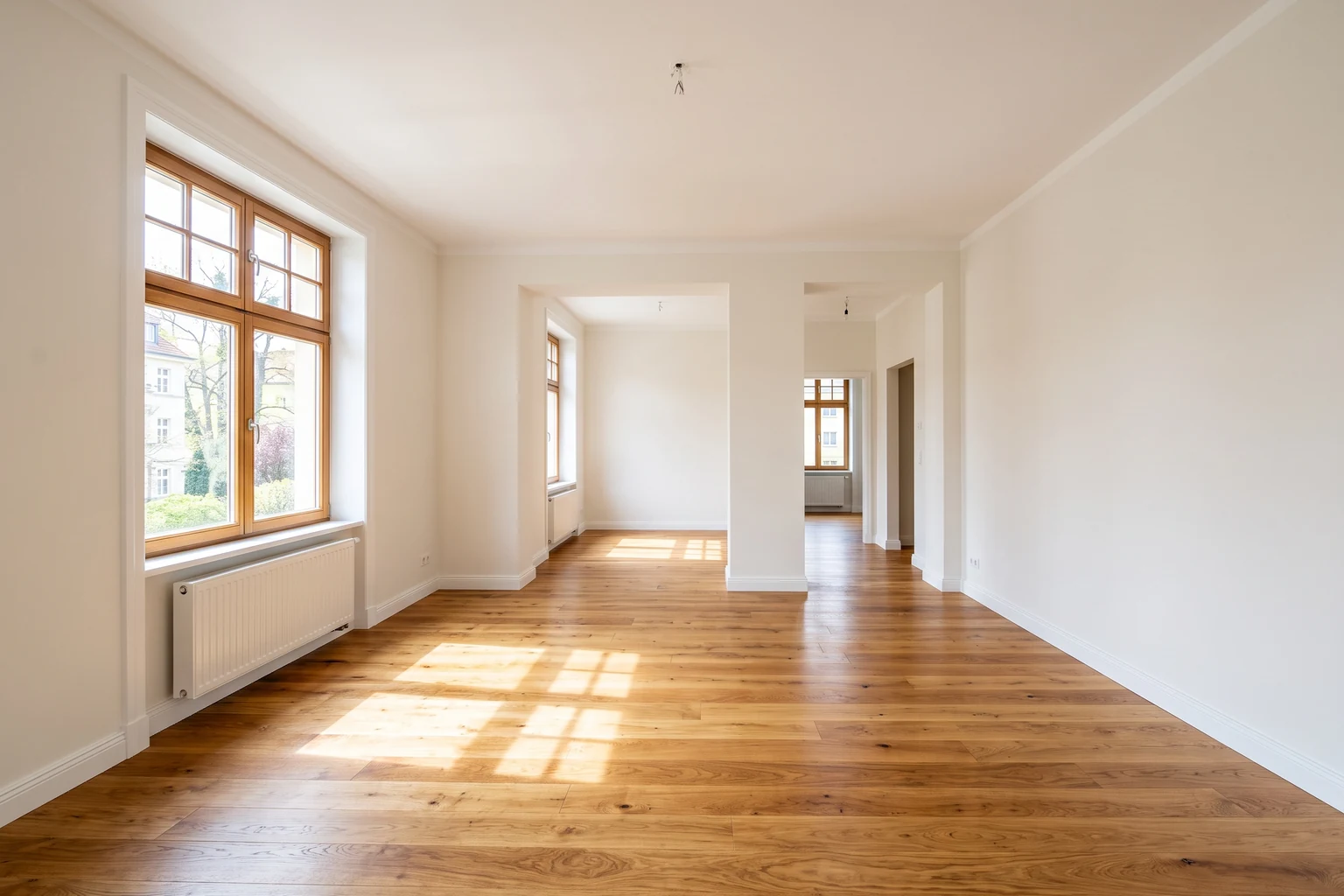
A void period is time when a rental property has no tenant. Mortgage payments, service charges, insurance and utilities continue, but rent stops. Even a short void can wipe out a large share of a year’s profit, which is why experienced landlords build vacancy into their plans.

How voids affect yield
A property with a 6% gross yield that is empty for one month a year loses about one-twelfth of its rent, reducing the gross yield to about 5.5%. After costs that continue during the void, the impact on net yield and cash flow is larger still.
Typical causes
Voids happen between tenancies while advertising and referencing new tenants, during repairs or refurbishment, in seasonal markets, when rents are set too high, or when local supply rises and tenants have more choice.
Budgeting for vacancy
| Assumed vacancy | Months empty a year | Rent lost on 24,000 a year |
|---|---|---|
| 0% | 0 | 0 |
| 4% | About half a month | 960 |
| 8% | About one month | 1,920 |
| 15% | About two months | 3,600 |
Costs during a void
Landlords usually pay utilities, council or municipality charges where applicable, service charges, insurance and mortgage payments while the property is empty. Some insurers require extra cover or inspections if a property is empty for an extended period.
Pricing the rent right
Asking slightly more than the market can backfire. A 5% higher rent that adds one empty month can cost more than it gains. Checking comparable listings and adjusting quickly when interest is low usually shortens voids.
Keeping good tenants
Tenant turnover is the main cause of voids. Responding quickly to repairs, keeping rent increases reasonable and maintaining good communication can encourage tenants to renew, which also saves agent fees and refurbishment costs.
Preparing between tenancies
Planning inspections, repairs and repainting before a tenant leaves, and advertising early, can let a new tenant move in soon after the old one leaves. Good photos and clear descriptions speed up lettings.
Short-term lets
Holiday and short-term lets have occupancy rates rather than single voids, and their income can vary greatly with seasons. Their gross income may be higher, but planning should assume realistic occupancy, not peak-season levels.
Market cycles
In weak rental markets, voids lengthen across the board. Building a cash reserve of several months of costs protects landlords from being forced to accept bad tenants or sell at the wrong time.
UAE context
In Dubai and Abu Dhabi, tenancy contracts are often annual with rents paid in one or several cheques. Renewal decisions and the timing of new supply in an area can strongly affect vacancy, so checking community occupancy and upcoming handovers is useful.
Measuring vacancy over time
Tracking the number of empty days each year shows whether your vacancy assumption is realistic. If a property is empty for 30 days one year and 60 the next, it may be worth looking at rent levels, presentation or tenant experience. Local data on average letting times is often available from agents and portals.
Incentives and flexibility
In slower markets, small incentives can fill a property faster than cutting rent. Examples include a short rent-free period, accepting more cheques, allowing pets or offering a furnished option. Comparing the cost of the incentive with the cost of another empty month helps decide.
Insurance and empty homes
Many policies restrict cover when a property stays empty beyond a set number of days. Telling the insurer, arranging regular checks and switching off water where advised protects against claims being refused.
Using agents well
A good letting agent can shorten voids through wider marketing and faster tenant checks, but fees reduce income. Comparing the fee with likely days saved helps decide between self-managing and using an agent.
Cash buffer rule of thumb
Many landlords keep at least three to six months of property costs in reserve. That covers a typical void plus an unexpected repair, so a quiet letting season does not force rushed decisions.
A realistic scenario
Marco’s flat rents for 2,000 a month. After his tenant leaves, he spends two weeks on repairs and a month finding a new tenant. The six-week void costs 3,000 in lost rent plus 600 of service charges and bills, about 15% of his annual rent.
Questions to ask yourself
- What vacancy rate have I assumed?
- Do I have a cash reserve for empty months?
- Is my asking rent realistic?
- How can I keep good tenants longer?
- Is new supply coming nearby?
The short version
Void periods cut income while costs continue. Budget for vacancy, price rent sensibly, plan handovers and treat tenant retention as part of your return.
Illustration: rent 2,000 a month = 24,000 a year. Six weeks empty = 3,000 lost rent + 600 costs = 3,600, cutting the year’s gross rent by 15%. Hypothetical figures.
Every empty month means costs without rent. Budget for some vacancy in every rental calculation and work to keep good tenants longer.
Primary educational references
GOV.UK · Renting out your property ↗
Dubai Land Department · Rental services ↗
Reviewed November 28, 2026. Examples are hypothetical illustrations. Educational content, not personalised investment, legal or tax advice.