What happened
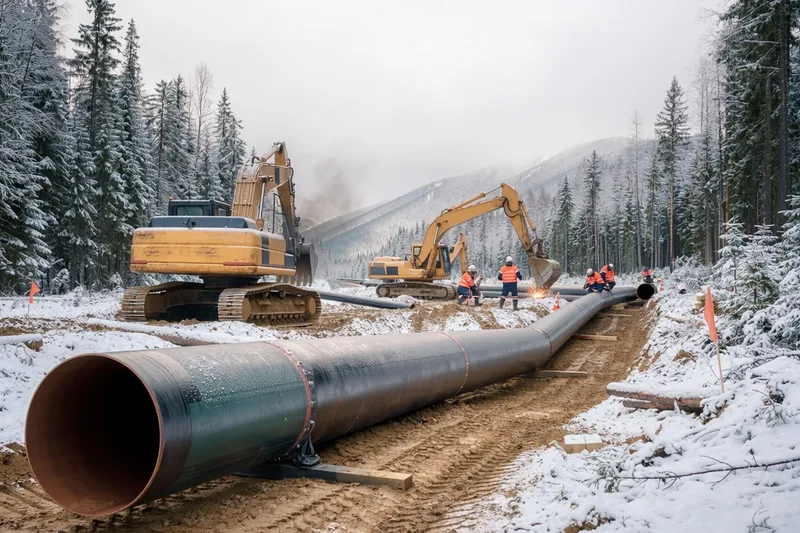
Algonquin Power & Utilities, based in Oakville, Ontario, began in 1988 and grew into a North American utility group. Through Liberty Utilities it owned regulated electricity, gas and water utilities in the US and Canada, and it built a large unregulated renewable energy business with wind, solar and hydro plants.
For years investors loved its story: steady regulated income plus growth from renewables, supporting a rising dividend. Algonquin funded growth with debt, new shares and a dividend reinvestment plan. It also attempted a large acquisition of Kentucky Power, which was eventually abandoned.
In 2022 rising interest rates raised borrowing costs, inflation increased construction costs and some renewable projects were delayed. Profits disappointed, and the share price fell sharply, pushing the dividend yield above 10%. In January 2023 Algonquin cut its quarterly dividend by about 40%, from 18.08 to 10.85 US cents, suspended its DRIP to stop dilution and targeted US$1 billion of asset sales.
Activist investors, including Starboard Value and Corvex, pushed for more. Starboard argued Algonquin had become ‘uninvestible’ for traditional utility investors and called for selling the renewables business. The board launched a strategic review, the CEO left, and in August 2023 Algonquin decided to sell the renewables group.
In 2024 it agreed to sell its non-hydro renewables to LS Power for up to US$2.5 billion, less than many expected because of off-balance-sheet construction debt, and cut its dividend by another 40% to 6.5 US cents. Algonquin aimed to become a ‘pure-play’ regulated utility.
The case shows the risks of combining stable regulated businesses with riskier growth ventures, and how activists push for simplification.
Utilities are valued for stability. Regulators set rates allowing them to earn a reasonable return on invested capital, so earnings are predictable. Investors pay a premium for that predictability and expect conservative balance sheets and reliable dividends. When a utility adds unregulated businesses, it gains growth potential but also volatility, which can make it less attractive to traditional utility investors.
Payout ratios matter too. If a company pays out nearly all earnings as dividends, it has little room for error. When rates rose and projects slipped, Algonquin’s high payout became unsustainable.
The Kentucky Power episode added to the loss of confidence. Algonquin had agreed to buy the utility from American Electric Power, but the deal required approval from US regulators, who raised concerns. After long delays the deal was terminated in 2023, costing time and fees and leaving Algonquin without the growth investors had been promised.
Activist involvement accelerated change. Starboard Value and Corvex argued that the market would value Algonquin’s regulated utilities much more highly once they were separated from the riskier renewables. Selling renewables, however, crystallised losses and reduced future growth, so the long-term outcome depends on whether the simpler company can deliver steady earnings growth through regulated investment.
Credit ratings were also at stake. Rating agencies watch utilities’ leverage closely, and a downgrade would have raised borrowing costs across the business.
A credible pure-play strategy should rebuild trust step by step: meet guidance, win fair rate cases and grow the dividend only when earnings clearly support it.
Key moments
Algonquin founded.
Grows Liberty Utilities and renewables portfolio.
Kentucky Power acquisition attempt, later abandoned.
Dividend cut about 40%.
Activists push; strategic review; CEO exits.
Renewables sold to LS Power; second 40% dividend cut.
Sources: The Globe and Mail; Yahoo Finance.
The trade-offs at the heart of the case
Growth vs. stability
Renewables offered growth but added risk to a utility.
Dividend promises vs. balance sheet
High payouts limited financial flexibility.
Activists vs. management
Activists pushed for faster change than management planned.
For your seminar, paper or interview
- Q1
Why did combining utilities and renewables create problems for Algonquin?
- Q2
Were the dividend cuts handled well?
- Q3
What role did activists play, and was it positive?
- Q4
Why did the renewables sale raise less than expected?
- Q5
What should a ‘pure-play’ utility strategy look like?
- Utility valuation
- Dividend policy
- Shareholder activism
- Business portfolio strategy
How we would approach it
Simplifying Finance’s opinion, offered as a starting point for debate, not as fact or investment advice.
Algonquin tried to be both a utility and a growth developer, and the combination broke under higher rates. As a pure-play utility it should prioritise balance sheet strength, constructive regulatory relations and a sustainable payout.
Keep payout conservative
Set a dividend payout ratio comparable to peers.
Repair leverage
Use sale proceeds to reduce debt.
Build regulatory trust
Invest in reliability and fair rate cases.
Communicate clearly
Set realistic guidance to rebuild credibility.
What this plan gives up
A conservative payout means slower dividend growth and may disappoint income investors.
The strongest counter-argument
Some argue the renewables business was sold at the bottom of the market and that patience would have created more value.
Metrics to watch
- Payout ratio
- Debt to EBITDA
- Rate case outcomes
- Earnings per share
- Credit ratings
Propose your solution
Pick a discussion question and set out what you would do, why, and what it would cost. Strong, well-argued answers are reviewed and published below with your first name and programme.
Published solutions
Loading published solutions…
- Yahoo Finance: Algonquin Power cuts dividend by 40% ↗
- S&P Global: Hedge fund calls for sale of Algonquin renewables ↗
- The Globe and Mail: Algonquin sells renewables, cuts dividend ↗
- Algonquin: Strategic review (SEC) ↗
Figures are as reported by the companies or cited outlets as of 22 November 2026. Check the source before quoting. Corrections: let us know through the solution form.